Are Digital Marketing and Social Media Marketing the Same?
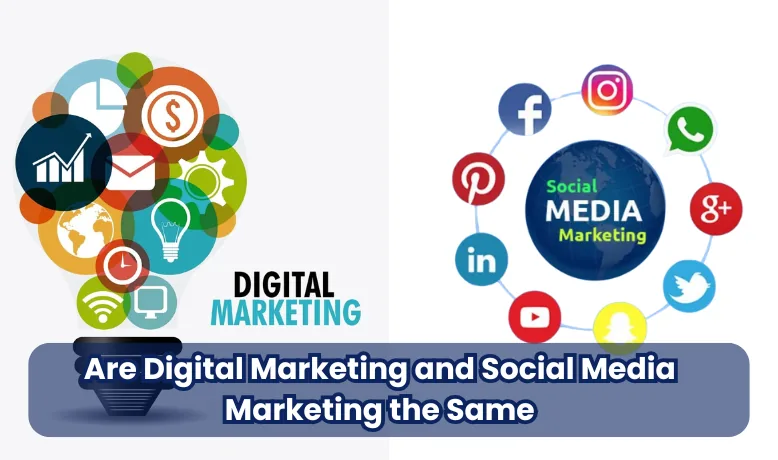
In the fast-evolving world of online branding, one question remains among business owners and marketers: Are digital marketing and social media marketing the same? Many people use these terms interchangeably, assuming they represent identical strategies. They do overlap in some areas, but treating them as the same can lead to gaps in your overall marketing approach.
Key takeaways
- No, they are not the same: social media marketing is one branch of digital marketing.
- Digital marketing also covers SEO, paid search and social, email, content, affiliate and mobile marketing.
- Social media is strongest for awareness and engagement; search and email are often stronger for leads and sales.
- In Pakistan, YouTube, Facebook, WhatsApp and TikTok hold the biggest audiences, with about 80 million social media user identities (DataReportal, October 2025).
- Integrated campaigns work best; choose your mix based on where your audience spends time, your budget and your main business goal.
Digital marketing refers to a broad umbrella of strategies used to promote products or services through various online channels such as search engines, websites, emails, and paid advertisements. On the other hand, social media marketing focuses specifically on building brand awareness and engagement through social networking platforms like Facebook, Instagram, X (formerly Twitter), LinkedIn, TikTok and YouTube.
What is Digital Marketing?
Digital marketing is a comprehensive term encompassing all marketing efforts conducted through digital channels. It involves using the internet and electronic devices to promote products, services, or brands, aiming to connect with consumers in real time, across multiple platforms.
Digital marketing is about delivering the right message to the right audience through the right channel. It goes beyond social media and includes many strategies and tools that help businesses build visibility, generate leads, and drive conversions.
Key Channels of Digital Marketing Include:
- Search Engine Optimisation (SEO): Boosts your website’s visibility on search engines like Google to attract organic traffic.
- Paid search and paid social involves running paid ads on Google Ads, Meta Ads (Facebook and Instagram) and TikTok Ads to drive targeted traffic instantly.
- Email Marketing: Sends personalised emails to prospects and customers for promotions, updates, or nurturing relationships.
- Content Marketing: Uses blogs, videos, infographics, and guides to provide value and build brand authority.
- Affiliate Marketing: Partners with third-party individuals or companies to promote your services for a commission.
- Mobile Marketing: Engages users via SMS, push notifications, and mobile-optimised ads.
What is Social Media Marketing?
Social media marketing (SMM) is a focused branch of digital marketing that involves creating and sharing content on social networking platforms to achieve branding, marketing, and communication goals. It revolves around connecting with audiences where they spend most of their online time—on social media.
Unlike broader digital marketing efforts, SMM is platform-specific and relies heavily on interaction, storytelling, and real-time engagement. Popular platforms, roughly in order of audience size in Pakistan, include:
- Facebook – Ideal for building communities and running targeted ad campaigns.
- Instagram – A visual-centric space perfect for lifestyle branding, influencers, and product showcases.
- X (formerly Twitter) – Best for real-time updates, customer service, and public conversations.
- LinkedIn – A professional hub for B2B marketing, thought leadership, and networking.
- TikTok – An established short-video platform with one of the largest audiences in Pakistan, ideal for short-form storytelling and trends.
YouTube – Long-form video and Shorts; the most-used platform in Pakistan and a search engine in its own right for how-to and review content.
WhatsApp – Not a feed, but WhatsApp Business and Channels are where Pakistani customers ask questions, place orders and receive updates.
Threads – Meta's text platform, useful for brands already active on Instagram.
Key strategies in social media marketing include:
- Content Creation: Designing platform-tailored posts, stories, and videos that reflect your brand personality.
- Engagement: Responding to comments, joining discussions, and encouraging user-generated content to build loyalty.
- Community Building: Creating a loyal follower base that interacts with your brand and amplifies its message.
The core objectives of social media marketing are to enhance brand awareness, foster two-way communication, and build authentic relationships with your audience. Social media thrives on human connection and instant feedback, making it a powerful tool for brand storytelling and trust-building.
How Do They Complement Each Other?
Rather than competing, digital and social media marketing complement each other, forming a more complete and effective online strategy. When used together, they create an integrated marketing ecosystem that simultaneously supports awareness, engagement, and conversion.
Importance of Integrated Campaigns
An integrated campaign ensures that all digital efforts—whether on social platforms, search engines, email, or websites—work toward the same business goals. It aligns your messaging across every touchpoint, reinforcing your brand and improving customer trust.
For instance, a business might launch a new product campaign across multiple digital channels:
- Social media to spark interest and generate buzz.
- PPC ads to capture high-intent search traffic.
- A landing page to drive sign-ups or purchases.
- An email sequence to follow up with leads and encourage repeat engagement.
Example: PPC + Social Ads for Lead Generation
Imagine you’re promoting an online course. Running Google Ads (PPC) targets users actively searching for similar courses, while Meta ads on Facebook and Instagram generate interest from users who match your target profile but aren’t actively searching yet. Together, these strategies widen your lead pool and accelerate conversions.
Email Campaigns Supported by Social Engagement
A well-timed email campaign can remind your audience about an offer or announcement—but pairing it with social posts keeps the message visible in multiple places. For example, promoting a webinar through email and reinforcing it with countdown posts on social media boosts attendance and user interaction.
Which One is Right for Your Business?
Choosing between digital marketing services and social media marketing isn’t about picking a winner—it’s about understanding what works best for your business at its current stage. The right approach depends on several key factors that shape your overall marketing direction:
Target Audience
Start by asking: Where does your audience spend time online?
- If your audience frequently searches for products, reads blogs, or uses email, a broader digital marketing strategy with SEO and content marketing may be more effective.
- Social media marketing becomes essential for engagement and brand presence if your audience is highly active on platforms like Instagram, Facebook, or LinkedIn.
Budget
Your budget influences both your strategy and your expectations.
- Digital marketing channels like PPC or email automation may require higher upfront investment, but often deliver direct ROI through measurable conversions.
- Social media marketing can be more cost-effective for small businesses, especially when leveraging organic content and community growth before scaling into paid ads.
Business Goals
Your choice also depends on what you’re trying to achieve:
- If your goal is lead generation, website traffic, or sales, then a digital strategy using SEO, PPC, and landing pages is ideal.
- If you focus on brand awareness, engagement, or building an online community, social media marketing provides a more interactive and visible path.
Digital Marketing vs Social Media Marketing at a Glance
| Aspect | Digital marketing | Social media marketing |
|---|---|---|
| Scope | All online channels: search, websites, email, ads, content, social and more | Social platforms only, such as Facebook, Instagram, TikTok, LinkedIn, X and YouTube |
| Main strengths | Capturing demand, generating leads and driving sales | Building awareness, community and engagement |
| Customer intent | Often high, for example when someone searches for a service | Usually lower; people are browsing, not searching |
| Audience ownership | Includes owned assets like your website and email list | Mostly rented; the platform controls who sees your posts |
| Typical metrics | Conversions, cost per lead, organic traffic, return on ad spend | Reach, engagement rate, followers, messages, clicks |
| Speed of results | Ads are fast; SEO and content take months | Paid social is fast; organic growth is gradual |
Where Pakistan's Audience Actually Is
"Where does your audience spend time?" has real numbers behind it. According to DataReportal's Digital 2026: Pakistan report, the country had about 117 million internet users at the end of 2025 (45.6 percent of the population), 79.9 million social media user identities in October 2025 (31.2 percent), and about 194 million active mobile connections. Almost all of that use is on phones, so every page, ad and post you make should be judged on a mobile screen first.
Within social, the largest audiences in Pakistan are on YouTube, Facebook, WhatsApp and TikTok, with Instagram, X, LinkedIn, Threads and Snapchat behind them. That has two practical consequences:
- For most consumer businesses, Facebook, Instagram and TikTok reach the widest audience, and WhatsApp Business is where the enquiries land.
- For B2B and professional services, LinkedIn and Google Search matter more than follower counts anywhere else.
How AI has changed both sides
On the paid side, Meta Advantage+ and Google Performance Max now automate much of the targeting and bidding, so the skill has moved to creative, offers and conversion tracking. On the search side, Google's AI Overviews and AI Mode answer many informational questions on the results page, so click volumes for those queries are falling. The point still stands that search captures demand when someone is ready to buy, but the pages that win are now service, product and location pages plus a well-kept Google Business Profile, not generic blog posts.
Owned vs Rented Audiences: Why Social Alone Is Risky
Followers on Facebook, Instagram or TikTok belong to the platform, not to you. When a platform changes its algorithm, restricts your account or falls out of favour with your audience, your reach can drop overnight, and you have no direct way to contact those followers.
Digital marketing reduces that risk by moving people from rented platforms to channels you own:
- Your website: send social traffic to pages you control, where you can track behaviour and capture enquiries.
- Your email list: offer something useful, such as a guide, discount or updates, in exchange for an email address.
- WhatsApp and customer lists: keep a record of customers who contact you, with their permission, so you can follow up.
- Search visibility: pages that rank on Google keep bringing visitors without depending on any single social platform.
Use social media to be discovered and build trust, then use owned channels to keep the relationship going.
Roles and Skills: What Each Specialist Does
Understanding the difference also helps when you hire. A social media manager and a digital marketer overlap, but their day-to-day work differs.
- Social media manager: plans content calendars, creates or briefs posts, Reels and Stories, replies to comments and messages, runs basic boosted posts and reports on engagement.
- Digital marketer or performance marketer: plans the wider channel mix, runs search and social ads with conversion tracking, manages landing pages and email, and reports on leads, sales and cost per result.
- SEO specialist: improves website rankings through keyword research, on-page optimisation, technical fixes and links.
A small business can start with one person who covers social media and basic ads, then add SEO or email skills as the business grows.
Frequently Asked Questions
Is social media marketing part of digital marketing?
Yes, social media marketing is a subset of digital marketing. It focuses specifically on platforms like Facebook, Instagram, X, LinkedIn, TikTok and YouTube, while digital marketing includes a wider range of channels such as email marketing, SEO, PPC, and more.
Can I use social media marketing alone?
You can, especially if your target audience is highly active on social platforms. However, using social media alone may limit your reach and conversion potential. A more balanced approach that includes SEO or email marketing often delivers better long-term results.
Which is better for small businesses?
It depends on your goals and audience. Social media marketing is often easier due to its lower cost and high visibility. However, for sustainable growth, combining it with digital marketing tactics like local SEO or email campaigns can maximise ROI for small businesses.
Does SEO fall under digital marketing?
Absolutely. Search Engine Optimisation (SEO) is one of the core components of digital marketing. It helps increase your website’s visibility on search engines, driving organic traffic and improving your online presence.