How Can Digital Marketing Increase Sales
In today’s crowded marketplace, many businesses struggle to maintain consistent sales. Traditional advertising methods no longer deliver the same results, and relying solely on word-of-mouth or foot traffic can stall growth. The shift in consumer behaviour—favouring online research, instant access to options, and personalised experiences—has created new hurdles for brands trying to stay competitive.
Key takeaways
- Digital marketing increases sales by reaching people when they are searching, targeting likely buyers and converting more of the visitors you already get.
- SEO brings steady, high-intent traffic over time, while paid ads on Google, Meta and TikTok deliver results quickly.
- Social media builds trust through reviews, user-generated content and influencers; in Pakistan the sale usually closes on WhatsApp or DMs.
- Conversion rate optimisation and analytics turn existing traffic into more sales without extra ad spend.
- Track key events in GA4, feed Meta's Conversions API and count WhatsApp clicks as leads, so budget moves to what actually sells.
This is where digital marketing services step in as a game-changer. With its data-driven strategies and scalable tools, digital marketing empowers businesses to reach their ideal customers, build lasting relationships, and convert interest into measurable revenue. Whether you’re a startup looking to gain traction or an established brand aiming to scale, the right digital approach can significantly boost your sales pipeline.
Unlocking Organic Growth: The Power of SEO
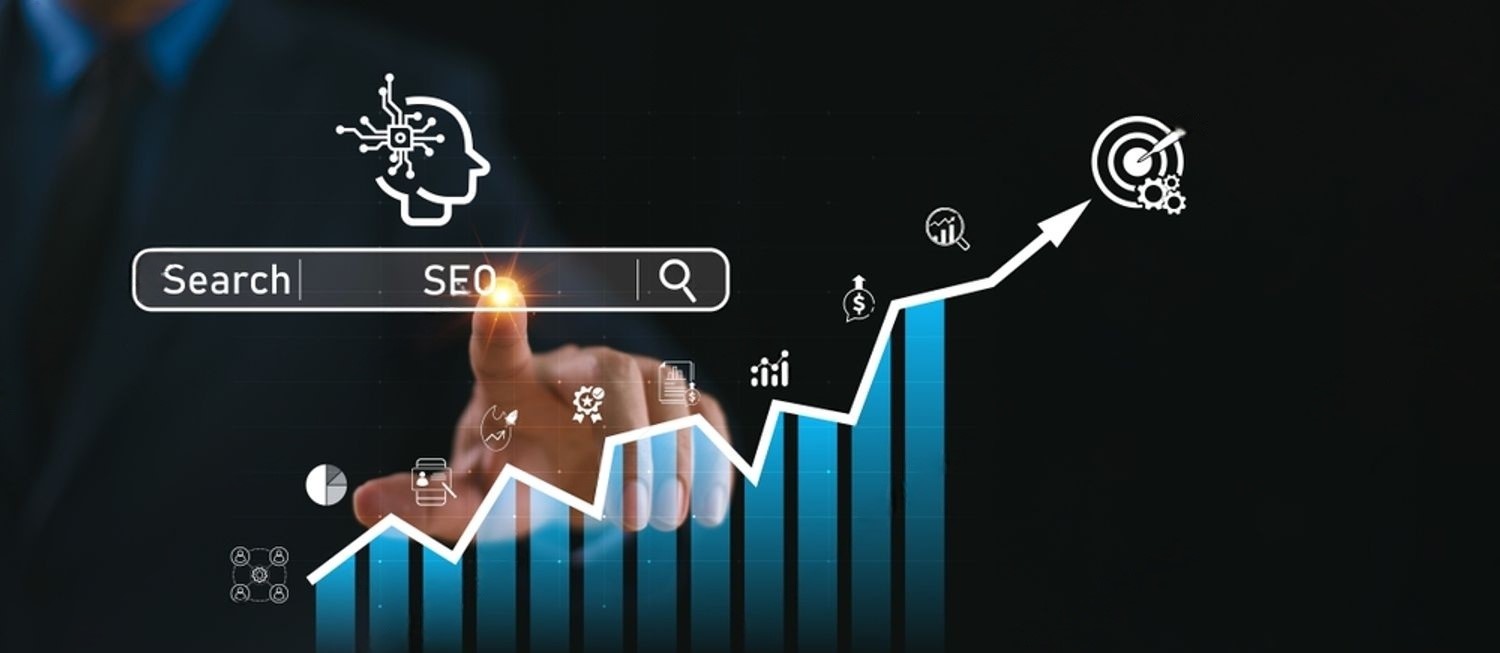
In a world where users turn to search engines to find solutions to their problems, Search Engine Optimisation (SEO) plays a critical role in helping businesses stand out. When done right, SEO improves visibility and ensures that your website attracts high-intent visitors—those actively seeking what you offer.
On-Page vs. Off-Page SEO Basics
SEO is divided into two key areas: on-page and off-page optimisation.
- On-page SEO involves the elements you control on your website itself. This includes optimising title tags, meta descriptions, header tags, URL structures, and incorporating relevant keywords within your content. Ensuring a mobile-friendly, fast-loading website is also essential to on-page SEO.
- Off-page SEO refers to actions outside your website to improve its authority and ranking. These actions mainly revolve around building backlinks from other reputable sites, social media mentions, and content sharing. High-quality backlinks are seen as votes of confidence from other sites, signalling that your content is valuable to search engines.
How Optimised Content Leads to Qualified Leads
At the heart of SEO lies content. By creating valuable, informative, and keyword-optimised content, businesses can attract qualified leads who are more likely to convert into customers. Well-optimised blog posts, landing pages, and product descriptions rank higher on search engines and answer specific questions or solve particular problems, making visitors more inclined to engage.
For example, a blog post about “how to choose the best bathroom mat” can attract users who are ready to purchase but need guidance. By offering high-quality, relevant content, you build trust and establish your brand as an expert, increasing the likelihood of a sale.
Quick Example: SEO-Driven Traffic Increase
Consider a case study where a website implemented a comprehensive SEO strategy, focusing on high-value keywords, content optimisation, and a strategic backlink campaign. As rankings improved, both organic traffic and conversions grew, showing the connection between SEO efforts and business growth.
By investing in SEO, businesses ensure they’re not just driving traffic—they’re attracting the right traffic type, ultimately leading to higher sales.
Paid Advertising: Immediate Visibility, Instant Results
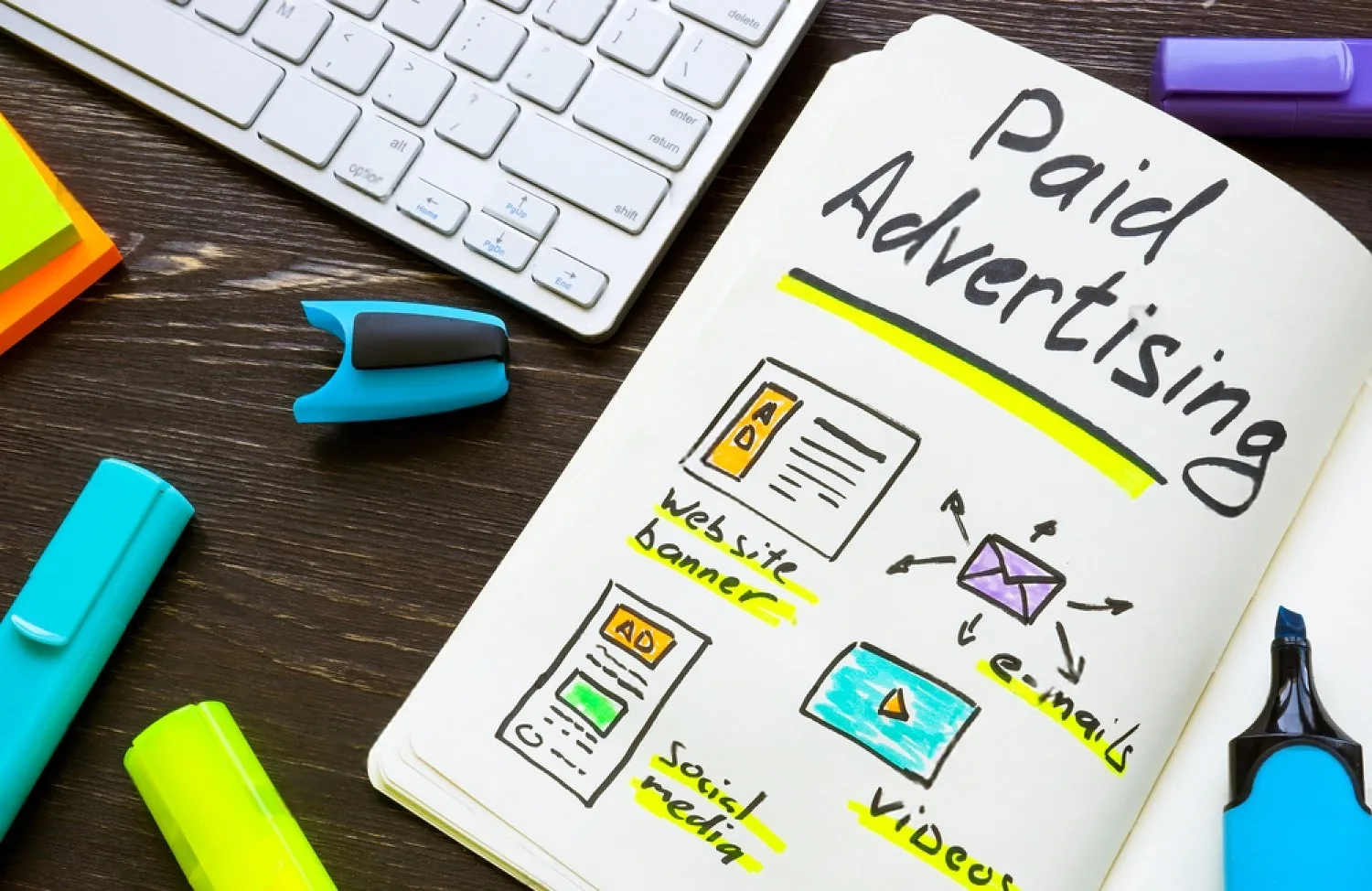
While SEO is a powerful long-term strategy, paid advertising allows businesses to see immediate results. With the right platforms and targeting, paid ads can drive targeted traffic and instantly increase sales, making it a valuable addition to your digital marketing strategy.
Overview of Platforms: Google Ads, Meta Ads, TikTok Ads
The most popular paid advertising platforms include:
- Google Ads: Advertising on the world’s most used search engine. Search campaigns show your ad to people typing specific queries, Performance Max spreads one campaign across Search, YouTube, Display, Gmail and Maps, and YouTube campaigns suit products that need showing. All of them reach people actively looking for a solution.
- Meta Ads (Facebook and Instagram): Run from one Ads Manager. Advantage+ campaigns let Meta’s system find likely buyers automatically, which now usually beats the narrow interest targeting Meta has largely removed. For most Pakistani small businesses the most useful objective is click-to-WhatsApp, which sends buyers straight into a chat with you.
- TikTok Ads: With one of the largest audiences in Pakistan, TikTok works for products that demo well on video: fashion, food, gadgets, beauty and home items. Short, native-looking clips filmed on a phone outperform polished ads.
How Targeting Works to Reach Ready-to-Buy Customers

One key benefit of paid advertising is the ability to target specific audiences. Unlike traditional marketing, which broadcasts ads to a wide, often irrelevant audience, paid ads allow you to focus on users more likely to purchase.
- Google Ads lets you target users based on search queries, meaning your ads only show to those actively looking for products or services like yours.
- Facebook and Instagram use advanced algorithms to analyse user behaviour, allowing you to create highly targeted ads. For instance, you can target ads to people who have previously visited your website or have shown interest in similar products.
- Retargeting ads show people who visited your site or messaged you but didn’t buy a reminder to come back. Since Apple’s iOS tracking changes, browser pixels alone miss many visitors, so install Meta’s Conversions API and Google’s enhanced conversions to keep retargeting audiences and reporting accurate.
Cost-Benefit Comparison with Traditional Marketing
Paid advertising offers a clear advantage over traditional marketing channels like TV, print, or radio:
- Cost-Efficiency: With traditional marketing, you’re paying for broad exposure that may or may not reach your target audience. In contrast, with paid advertising, you only pay for clicks or impressions from users likely to be interested in your product. You can also track how much you’re spending and what you’re getting in return.
- Measurable Results: Traditional marketing lacks the detailed analytics that digital platforms provide. Paid advertising on platforms like Google and Facebook lets you track every click, impression, and conversion, offering detailed insights into the effectiveness of your campaigns.
- Flexibility: Traditional marketing campaigns often require long-term commitments and large budgets. With paid digital ads, you can adjust your campaign in real-time, pause ads that aren’t performing, and reallocate your budget to more successful ads.
Tip: How to Set a Budget for ROI-Focused Campaigns
To make the most out of your paid advertising, setting a budget that aligns with your sales goals is crucial. Here’s a simple approach to budget allocation:
- Identify Your Goals: Are you aiming for brand awareness, lead generation, or direct sales? Your goals will determine where and how to allocate your budget.
- Set a Daily or Lifetime Budget: Platforms like Google Ads and Facebook allow you to set daily or lifetime budgets for your campaigns. Start small and monitor the performance before increasing your spend.
- Focus on ROI: Track metrics such as Cost Per Acquisition (CPA) and Return on Ad Spend (ROAS). By measuring ROI, you can refine your budget allocation and maximise efficiency.
Social Media Marketing: Building Relationships That Convert

Social media has become a powerhouse for businesses, not just for brand awareness but also for influencing purchase decisions. Platforms like Instagram, Facebook, and LinkedIn have transformed how businesses interact with their customers, enabling them to build stronger relationships and drive conversions directly through engagement.
How Platforms Like Instagram, Facebook, and LinkedIn Influence Purchase Behaviour
Each social media platform offers unique features that can help influence consumer behaviour:
- Instagram: With its visual-first approach, Instagram is ideal for businesses that want to showcase their products through images, Reels and Stories. Instagram’s product tags and in-app checkout are not available to businesses in Pakistan, so the sale closes through DMs, a WhatsApp link in the bio or your website. Brands can still grow reach through Reels, hashtags, stories, and influencer collaborations.
- Facebook: Known for its vast user base, it provides robust targeting options for businesses targeting specific demographics. Businesses can share detailed posts, product launches, and promotions, and use Facebook Ads to target customers who have shown interest in similar products. The platform also allows for direct engagement through comments, messages, and reviews.
- LinkedIn: While traditionally a platform for professionals, LinkedIn is gaining traction for B2B marketing. Businesses can leverage LinkedIn to share industry insights, case studies, and product features, targeting decision-makers with precision. LinkedIn’s professional tone makes it the perfect platform for establishing thought leadership and connecting with other businesses.
Social Proof and Engagement as Conversion Tools
One of the most effective ways to convert social media followers into customers is through social proof—the concept that people are more likely to trust a brand if others recommend or endorse it. Social proof can come in many forms:
- Customer Reviews: Positive reviews and ratings shared on platforms like Facebook or Instagram can influence potential buyers’ decisions.
- User-Generated Content (UGC): Encourage your customers to share photos or videos of themselves using your product. UGC builds trust and shows real-life applications of your products, which can motivate others to purchase.
- Influencer Marketing: Partnering with influencers who resonate with your target audience is another powerful tool. Influencers help promote your product to a wider audience and can create an emotional connection with their followers, making them more likely to convert.
Importance of Storytelling and Consistent Branding
Effective social media marketing is not just about posting products—it’s about telling a story. Customers want to connect with brands with a purpose, values, and a narrative that resonates with them. Storytelling allows brands to highlight their journey, showcase behind-the-scenes content, and share customer success stories.
Consistent branding across all social media platforms is crucial. From your visual aesthetics to the tone of your messaging, a consistent brand presence builds recognition and trust. When customers repeatedly encounter your brand cohesively and authentically, they are more likely to choose your product over competitors.
Include User-Generated Content or Influencer Tactics
User-generated content (UGC) and influencer marketing are highly effective tactics for converting followers into customers:
- UGC: Ask your customers to share their experiences with your products, creating authentic, relatable content highlighting your offerings’ real-world benefits. This provides social proof, strengthens customer loyalty, and builds a community around your brand.
- Influencers: Partner with influencers who have an engaged following in your niche. Influencers can create content that introduces your product to their audience in a relatable and natural way, which helps build trust and convert followers into buyers.
Analytics & CRO: From Clicks to Conversions
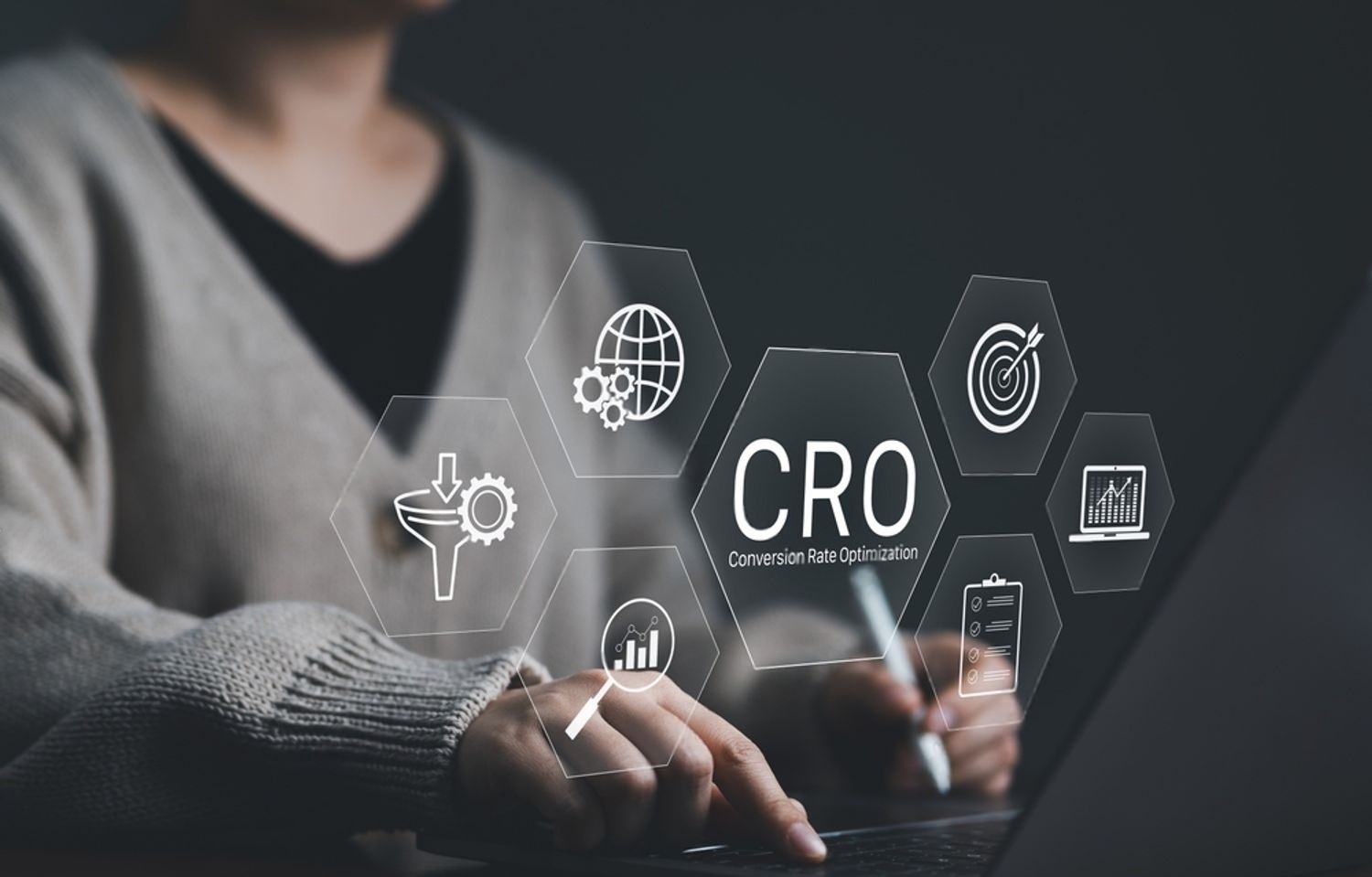
Driving traffic to your website is just the first step in digital marketing. To truly succeed, businesses need to focus on converting that traffic into paying customers. Conversion Rate Optimisation (CRO) enhances your website’s ability to turn visitors into leads and customers. Businesses can significantly increase their ROI by analysing user behaviour and making data-driven design improvements.
Introduction to Conversion Rate Optimisation (CRO)
Conversion rate optimisation (CRO) involves a series of practices to improve the percentage of website visitors who take a desired action, whether completing a purchase, signing up for a newsletter, or filling out a contact form. Optimising your conversion rates ensures you get the most out of your website traffic, ultimately improving sales performance without increasing traffic.
CRO techniques include adjusting website layout, content, call-to-action (CTA) buttons, and user flow to create a seamless, intuitive experience that encourages conversions. The better your site caters to user needs, the higher your conversion rates.
Importance of User Behaviour Tracking (Heatmaps, Funnels)
To optimise conversions effectively, it’s essential to understand how users interact with your site. This is where behaviour tracking tools come into play.
- Heatmaps: Heatmaps visually represent where users click, scroll, and spend the most time on your site. Using heatmaps, you can identify areas of your site that engage users or, conversely, areas that are being ignored. This data helps pinpoint which parts of your site need improvement, such as adding stronger CTAs or making navigation easier.
- Funnels: A conversion funnel maps out the steps a user takes to complete a desired action, such as purchasing. Tracking the funnel allows you to identify where users are dropping off. For example, if many users abandon their shopping carts, it could indicate friction in the checkout process, allowing you to make the necessary adjustments.
By tracking user behaviour with heatmaps and funnels, you gain valuable insights into where users are encountering obstacles and how you can fix them to enhance the customer journey.
A/B Testing and Data-Led Design Improvements
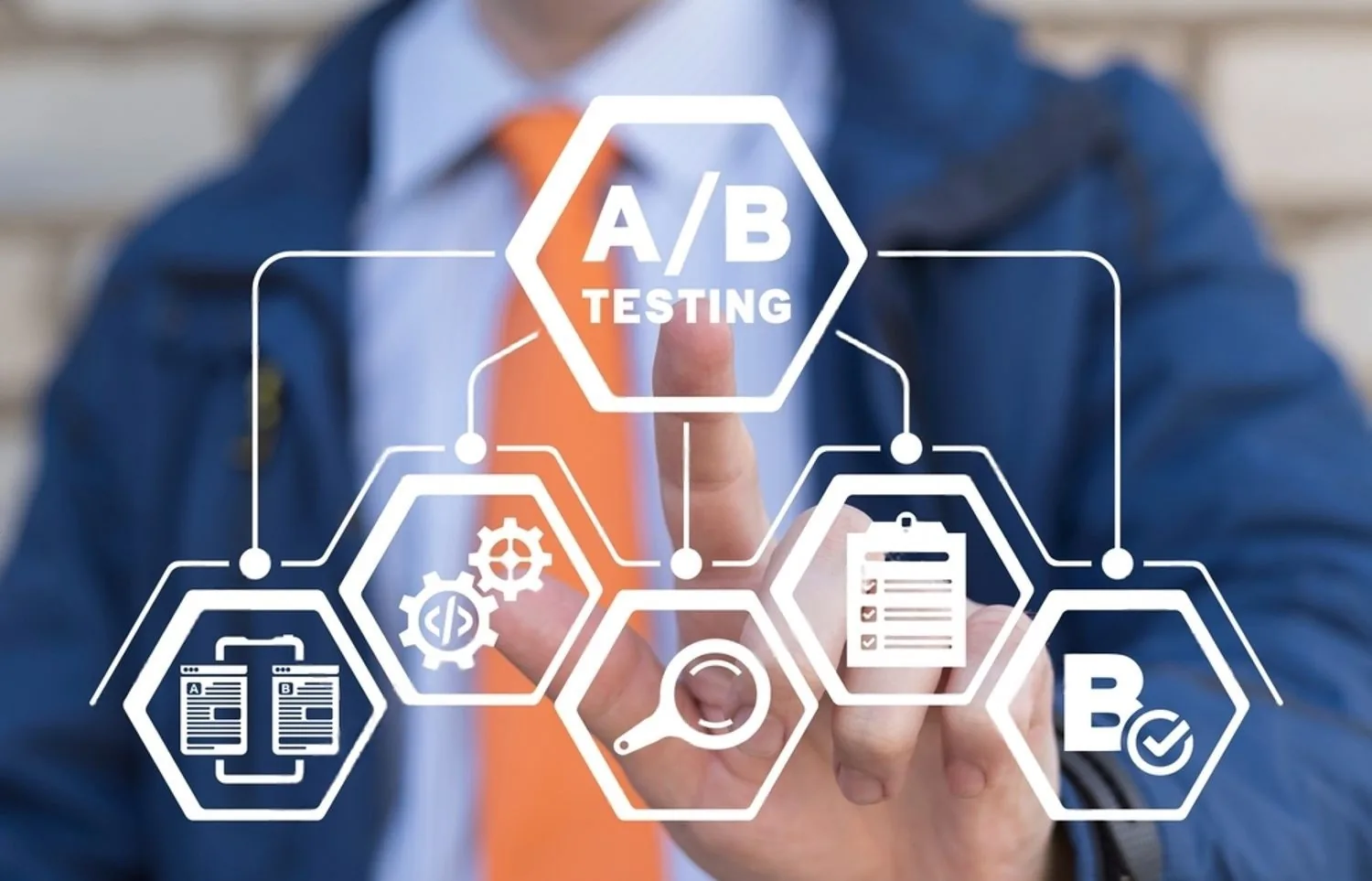
A/B testing, or split testing, involves comparing two versions of a webpage or element to see which performs better. For instance, test two headlines, CTA button colours, or page layouts to see which version leads to higher conversions.
The key to effective A/B testing is to test one element at a time and use statistical significance to determine the winner. Even small changes can have a big impact on conversion rates. For example, changing the colour of your CTA button or rewriting the headline can significantly affect how many users click through and convert.
Data-led design improvements come from continuously analysing test results and user feedback. Adopting an iterative CRO approach, you can consistently improve your website’s conversion potential.
How Analytics Closes the Loop to Improve Sales Performance
Google Analytics 4, together with behaviour tools like Hotjar or Microsoft Clarity, is essential in measuring and refining CRO efforts. These tools provide detailed insights into how users interact with your website, where they’re coming from, and where they’re exiting.
By analysing key metrics—such as engagement rate, average engagement time, and conversion rate—you can identify opportunities for improvement. For instance, if your website’s engagement rate is low on certain pages, it may indicate that users aren’t finding the information they need, prompting you to refine your content.
Analytics also allow you to segment visitors based on demographics, behaviour, and acquisition channels. This segmentation lets you tailor your marketing efforts to different audience groups’ needs, helping close the loop between initial traffic and final conversions.
By using analytics and implementing CRO best practices, businesses can make informed decisions that increase sales performance, ultimately enhancing the customer experience and driving greater profitability.
Channels That Drive Sales for Pakistani Small Businesses
The channels above apply everywhere, but a few local ones often decide whether interest turns into an order in Pakistan:
- WhatsApp Business: many buyers prefer to ask questions on WhatsApp before ordering. Add a click-to-chat button on your site and ads, set up a catalogue and quick replies, and respond fast. A lead that waits hours often buys elsewhere.
- Google Business Profile: for shops, clinics, restaurants and service businesses, the profile often gets more views than the website. Keep hours, photos and categories accurate and reply to reviews.
- Marketplaces: selling on platforms such as Daraz can bring buyers who already trust the platform, while your own site builds long-term margin and repeat customers.
- Email and SMS: a simple list of past customers is one of the cheapest sources of repeat sales. Send offers, restock alerts and reminders, not daily noise.
- Cash on delivery and trust signals: clear delivery charges, return policy, real reviews and a working phone number reduce abandoned orders and fake bookings.
Pick the two or three channels your customers actually use, track them properly, and expand only once they are working.
Conversion Tracking That Still Works
Browser privacy changes mean a pixel on its own no longer sees every sale. As of October 2026, this is the minimum setup for knowing which channel brought the money:
- GA4 key events. Mark purchases, form submissions, calls and WhatsApp clicks as key events (GA4 renamed “conversions” to “key events” in 2024). A WhatsApp click is a tap on a
wa.melink; fire it as an event through Google Tag Manager and treat it as a lead. - Google Ads enhanced conversions. Send hashed email or phone data with each conversion so Google can match sales that cookies miss, and import the GA4 key events into Google Ads.
- Meta Conversions API. Pair the Meta pixel with the Conversions API so events are sent from your server too. WordPress, WooCommerce and Shopify all have plugins for it. Without it, retargeting audiences and reported results shrink, especially on iPhones.
- UTM links and separate numbers. Tag every campaign link with UTM parameters, and use a different WhatsApp number or phone line per channel where you can, so offline follow-ups can still be attributed.
- One monthly sheet. Spend, leads, sales and revenue by channel. Cost per acquisition and return on ad spend from this sheet decide next month's budget, not likes or impressions.
More Digital Marketing guides
- The Rise of Digital Marketing in Pakistan: Trends and Insights
- Do’s and Don’ts of Digital Marketing
- How to Choose a Digital Marketing Agency
- How to Choose the Right Digital Marketing Company in Pakistan
- Hiring a Digital Marketing Agency in Lahore vs. an In-House Team: Which is Right for Your Business?
- How Much Do Digital Marketing Consultants Charge?
- How to Do a Competitive Analysis in B2B Digital Marketing
- The Role of SEO in Digital Marketing: Strategies to Improve Your Search Engine Rankings
- PPC vs SEO: How Ranking Differs Between Paid Ads and Organic Results
Frequently asked questions
Which digital marketing channel increases sales fastest?
Paid search ads usually bring sales fastest because they appear to people already searching for what you sell. Retargeting ads to past visitors can also convert quickly. SEO and content take months to build but keep bringing buyers without paying for each click, so most businesses run ads for quick wins while SEO grows.
How much should a small business spend on digital marketing?
There is no fixed rule. Start from what a new customer is worth to you and what you can afford to pay to win one. Test a small budget on one or two channels, measure cost per lead or sale, and increase spend only on the channels that return more than they cost.
How do I measure whether digital marketing is increasing sales?
Set up conversion tracking in Google Analytics 4 and your ad platforms for purchases, form submissions, calls and WhatsApp clicks. Ask new customers how they found you. Then compare cost per acquisition and revenue by channel each month, so you can see which activities actually lead to sales.
Can digital marketing work for a small local business?
Yes. Local businesses often see results from simple steps: a complete Google Business Profile, a mobile-friendly website with clear contact options, genuine reviews, and ads targeted to nearby areas. Because targeting is precise, even a modest budget can reach people in the right neighbourhood who are ready to buy.