How to Generate Leads for SEO Services
Many buying journeys start with a search engine. That means if you’re running an SEO agency, your next big client is likely searching for you right now—but the real question is: will they find you?
Key takeaways
- Start with your own website: clear CTAs, WhatsApp buttons, short forms, fast mobile pages and visible trust signals turn visitors into leads.
- Content aimed at decision-makers, plus lead magnets like checklists, builds an email list of warm prospects.
- SEO tools help you find businesses with visible problems, which gives you a specific, helpful reason to reach out.
- Free SEO audits, AI-visibility checks, guest posts, partnerships and referral deals bring in leads that already trust you.
- Paid ads on high-intent keywords give quick leads; content and partnerships build steadier lead flow over time.
Generating leads for SEO services is not as straightforward as ranking keywords or running PPC ads. The real challenge lies in finding qualified leads who not only need SEO but also understand its value—and are ready to invest. Many digital marketing agencies struggle with this exact problem. From high competition to low awareness, the road to consistent client acquisition is full of friction.
Optimize Your Website for Lead Capture
Before running ads or cold-emailing potential clients, the first step in generating SEO leads is ensuring your website is built to convert. Think of it as your 24/7 salesperson—it should guide visitors toward action the moment they land.
Use Clear CTAs (Call-to-Action Buttons or Banners)
Don’t make users guess what to do next. Whether it’s “Get a Free SEO Audit,” “Book a Discovery Call,” “Chat on WhatsApp” or “Download Our SEO Checklist”, your CTAs should be clear, visible, and consistent across every page. Use buttons in contrasting colors and place them strategically—on hero banners, blog sidebars, and after service descriptions.
Include Forms Above the Fold
You only have seconds to grab a visitor’s attention. By placing a short, actionable form above the fold (the part of the screen visible without scrolling), you make it easy for prospects to reach out immediately. Keep it simple—name, email, and a quick question or message box are enough to get started.
Improve Website Speed and Mobile Usability
A slow-loading or clunky mobile site is a conversion killer. Optimizing your site for speed not only improves SEO rankings but also boosts user experience. Use tools like Google PageSpeed Insights or GTmetrix to identify issues. On mobile, ensure buttons are tappable, fonts are legible, and nothing breaks on different screen sizes.
Add Trust Signals Like Testimonials, Certifications, and Client Logos
People want to know they’re dealing with professionals. Display Google reviews, client testimonials, industry certifications (like Google Partner or HubSpot Certified), and recognizable brand logos you’ve worked with. These elements build credibility and increase the chances that a visitor will convert into a lead.
Use Targeted Content Marketing

When it comes to attracting SEO leads, content is more than just a traffic driver—it’s a trust builder. Smart, targeted content can position your agency as the go-to expert for businesses looking for results-driven SEO strategies.
Publish Lead-Focused Blogs Targeting Decision-Makers
Not all traffic is equal. Focus your content on business owners, marketing managers, and startup founders—the people who make buying decisions. Instead of generic SEO tips, write about specific problems they face, such as “Why Your Shopify Store Isn’t Ranking” or “How Local SEO Can Help You Dominate Your City.”
Use Long-Form Content, SEO Case Studies, and Expert Guides
Short posts may bring clicks, but long-form content builds authority and conversions. Create in-depth guides, long enough to cover the topic fully, on topics like SEO audits, keyword strategy, or technical SEO. Include real-life case studies showing how your agency helped clients increase rankings, traffic, or revenue—proof sells better than promises.
Offer Downloadable Resources (Lead Magnets)
Give readers a reason to share their email. Offer checklists, templates, eBooks, or exclusive guides in exchange for contact info. For example:
- “SEO Audit Checklist for Small Businesses”
- “10-Step On-Page SEO Template”
- “Local SEO Playbook for Real Estate Agencies”
These assets enable you to build an email list of warm leads who are already engaged with your content and ready to be nurtured.
By crafting value-packed content that speaks directly to your ideal client’s needs, you turn your blog into a powerful lead generation engine.
Leverage SEO Tools to Find Prospects
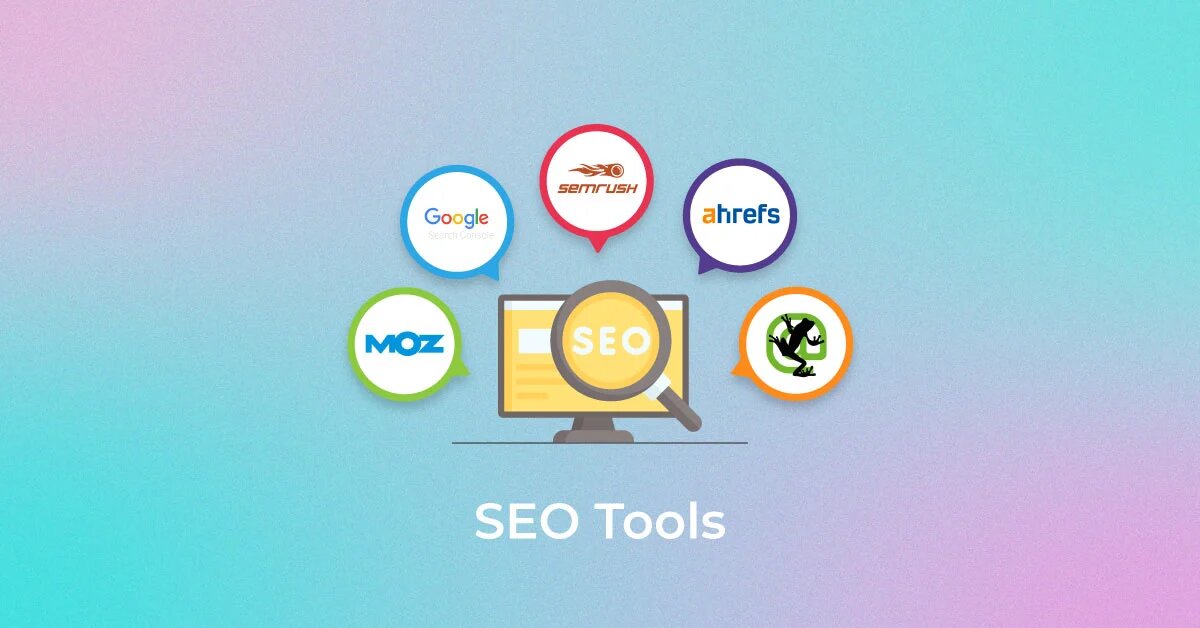
The best SEO leads are often hiding in plain sight—they just need a little analysis to be uncovered. With the right tools, you can find businesses struggling with SEO and offer them tailored solutions.
Use Tools Like Ahrefs, Semrush, and Ubersuggest to Identify Potential Leads
These powerful SEO platforms aren’t just for auditing your website—they’re goldmines for uncovering new prospects. Search for low-performing sites in niche industries or specific locations. For example, find businesses with:
- High domain authority but low traffic
- Keyword rankings that are slipping
- Thin or poorly optimized content
From local restaurants to eCommerce brands, you’ll spot opportunities others miss.
Look for Sites with SEO Issues and Pitch Solutions
Use site audits to identify broken links, missing meta tags, slow load times, and mobile usability problems. Once you have this data, create a mini SEO report or summary, and reach out with a friendly, solution-oriented message like:
“Hi, I came across your site and noticed a few areas where you could gain more visibility on Google—would you be open to a quick SEO report?”
This approach is consultative, not salesy—and it works.
Use LinkedIn and Sales Navigator to Filter SEO-Interested Businesses
LinkedIn is a B2B lead gen powerhouse. Use Sales Navigator to filter by job title (e.g., “Marketing Manager”), industry, and location. Look for companies actively hiring SEO roles, or professionals engaging with SEO content. These are strong indicators that they understand the value of SEO and may be open to outsourcing or consulting.
Build Authority Through Guest Posting

One of the smartest ways to generate leads for your SEO services is to be seen where your target audience already spends time. That’s exactly what guest posting helps you achieve—building trust, authority, and visibility on platforms that already have reach.
Choose Industry-Relevant Websites with Good Domain Authority
Don’t waste time writing for low-traffic sites. Focus on high-authority blogs in marketing, business, or niche-specific industries (e.g., real estate, health, eCommerce). These platforms already have a loyal readership and solid SEO value, making your guest post more impactful and discoverable.
Include Backlinks to Lead-Generating Landing Pages
While many guest post opportunities allow only one or two links, be strategic with where those links go. Instead of pointing readers to your homepage, link to a high-converting landing page—like your SEO audit form, case study page, or consultation offer. This turns awareness into action.
Mention Your Services Subtly in Bylines or Author Bios
Avoid coming off as overly promotional. Instead, weave in a soft mention of your expertise. For example:
“Jane Doe is an SEO strategist at [Your Agency], where she works with startups on organic search.”
This simple line can pique curiosity and direct high-intent readers to your content.
Offer Free SEO Audits
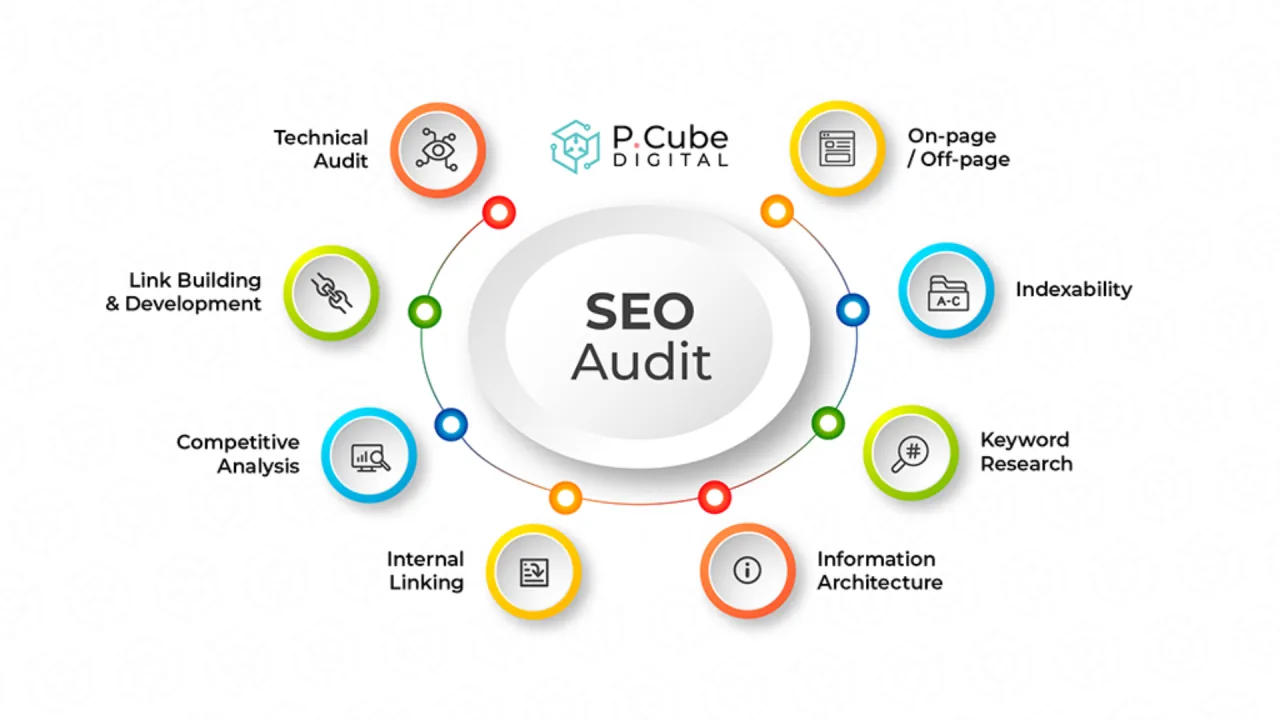
Sometimes, the best way to earn a lead is to give value first. Free SEO audits are one of the most effective lead generation tools, as they instantly showcase your expertise while helping potential clients identify gaps in their strategy.
Set Up an Automated SEO Audit Tool on Your Site
Use an embeddable audit widget such as SEOptimer, or a simple form that triggers a manual check with Semrush Site Audit or Screaming Frog, to offer an audit directly on your website. Visitors enter their URL and get a brief report with insights on speed, keywords, metadata, backlinks and more. If you want a free starting point, our on-page SEO checker and the other free SEO tools show what such a check looks like. This interaction builds trust and gets users engaged with your service.
Gate the Audit Behind a Simple Form to Collect Emails
To capture leads, gate the audit with a short form. Ask for essentials like name, email, and website URL—nothing more. The goal is to lower friction while still collecting enough to follow up. Pro tip: Add a checkbox for “Yes, I’d like a quick follow-up with recommendations.”
Use Audit Results as an Entry Point to Pitch Your Services
Once they receive the audit, follow up with a personalized message:
“I reviewed your results and noticed a few key areas that could be improved—would you like to jump on a quick call to walk through them?”
You’re no longer cold-pitching—you’re solving a visible problem they already know they have.
Use Email Marketing to Nurture Leads

Not every lead is ready to sign a contract on day one, and that’s where email marketing comes in. It allows you to stay top-of-mind, build trust, and guide leads from awareness to decision through strategic communication.
Build a Segmented List Based on Lead Source
Start by categorizing leads by how they found you:
- Downloaded an eBook?
- Requested a free audit?
- Came from a guest post or LinkedIn?
This allows you to tailor your messaging. A business owner looking for technical SEO help shouldn’t receive the same emails as a local business exploring content marketing. Segmentation leads to higher open rates, better engagement, and more conversions.
Send Value-Based Drip Campaigns
Once segmented, build automated drip sequences that educate, engage, and move leads toward booking a call. Your emails should offer value, not just promotion. Examples include:
- “Top 5 SEO Mistakes That Hurt Rankings (and How to Fix Them)”
- “Case Study: How a Lahore Online Store Grew Organic Sales with SEO” (use your real client figures, with permission)
- “Free Guide: How to Choose the Right SEO Agency for Your Business”
Run Paid Ads for High-Intent Keywords

While organic strategies are crucial, paid ads offer instant visibility—especially for leads actively searching for SEO help. When done right, PPC becomes a powerful lead generation engine that puts your agency in front of the right people at the right time.
Use Google Ads to Target High-Intent Keywords
Focus your campaigns on keywords that signal buyer intent, such as:
- “SEO agency near me”
- “SEO services in Lahore”
- “affordable SEO packages”
- “SEO company in Pakistan”
These users already know what they want—they’re just looking for the right provider. Ensure your ad copy highlights key benefits, trust elements, and a strong CTA like “Book a Free Consultation.”
Retarget Website Visitors with Customized Ads
Many leads won’t convert on their first visit—but that doesn’t mean they’re lost. Set up remarketing campaigns using Google Ads or Meta Ads to stay in front of them. Install Google's Enhanced Conversions and Meta's Conversions API alongside the pixel, so your audiences and conversion data keep filling as browsers and consent settings limit what the pixel alone can see. Customize your ads based on their behavior:
- Visited your pricing page? Show a testimonial-based ad.
- Read a blog post? Offer a lead magnet.
- Started filling out a form but didn’t submit? Remind them to finish.
This approach keeps your brand top-of-mind and gently nudges prospects back into your funnel.
A/B Test Ad Copy and Landing Pages
Never settle for the first version. Test different headlines, descriptions, CTA buttons, and even images or form layouts on your landing pages. Small tweaks can make a big difference in click-through rates and conversions.
Examples to test:
- “Boost Your Google Rankings Today” vs. “Struggling with SEO? We Can Help”
- “Get a Free SEO Audit” vs. “See What’s Holding Your Website Back”
Utilize Social Proof and Testimonials

Trust is the currency of conversion, especially in a competitive industry like SEO. When potential clients see that others have succeeded with your services, they’re far more likely to reach out. That’s where social proof becomes your secret weapon.
Showcase Google Reviews, Video Testimonials, and Success Metrics
Start by highlighting real, verifiable results. Google reviews, client testimonials, and performance stats from your own client reports (for example, the percentage increase in organic traffic over six months, with the client's permission) build instant credibility. Never publish a figure you cannot back with Search Console or GA4 data. Bonus points if you can share short video testimonials—nothing sells quite like a happy client speaking directly to the camera.
Add Logos of Past Clients and Awards
Include a visual lineup of trusted brands you’ve worked with, especially if they’re recognized in your target market. Whether they’re local businesses or well-known startups, this instantly elevates your perceived authority. Also, don’t forget to include industry badges or awards, such as “Google Partner,” “Semrush Agency Partner” or a Clutch listing.
Include Quotes or Mini Case Studies in Landing Pages and Emails
Don’t hide your wins. Weave them into your sales content. Use real client quotes, with permission, on your landing pages, such as:
“Within 3 months, we ranked on page one for our main keywords, thanks to [Your Agency]!”
Go a step further by adding mini case studies to your email campaigns or service pages. Describe the problem, your solution, and the result in 2-3 sentences.
By using social proof strategically, you transform your SEO agency from a cold unknown to a trusted authority that delivers results.
Partner with Related Agencies
You don’t always have to chase new leads—sometimes, they come to you through the right partnerships. By aligning with agencies that offer complementary services, you can tap into warm, high-intent referrals without competing directly.
Build Partnerships with Web Developers, Design Studios, or PR Firms
These professionals often work with clients who need SEO but haven’t prioritized it yet. Reach out to trusted web developers, branding agencies, or PR firms and propose a win-win collaboration. While they focus on design or storytelling, you can handle the SEO side—making both of your services more valuable.
Create a Referral Program
Make it easy (and rewarding) for partners to send leads your way. Offer a commission, fixed fee, or service swap for every successful referral. Even better, give them marketing materials or a unique referral link to track conversions and simplify the process.
Offer Bundled Packages or Co-Branded Services

For a more integrated approach, build co-branded packages—like a “Website + SEO Launch Bundle” or a “Digital PR & Organic Growth Package.” Not only does this make your services more appealing, but it also helps agencies pitch a more complete solution to their clients.
Leads From AI Search
Prospects no longer find agencies only through the ten blue links. In 2026 a business owner in Lahore is as likely to ask ChatGPT, Gemini or Google's AI Mode "which SEO agency in Lahore is good for a clothing brand?" and read a short list. That opens two lead sources.
- Offer an AI-visibility check. Ask the same tools whether they mention the prospect's business for "best X in Lahore" questions, which competitors they name and which pages they cite. Most owners have never looked. A one-page report of what the AI answers say about them, and why, is a current lead magnet that a plain site audit no longer is.
- Make your own agency citeable. AI answers draw on pages that state facts plainly: who you are, where you are, what you charge from, which industries you serve and what results you have (with client permission). Put that on your service and about pages, keep your Google Business Profile complete, and earn mentions on Pakistani business and startup media that these tools treat as sources.
Track it simply: add "How did you hear about us?" with an "AI assistant" option to your enquiry form, and watch for referral visits from chatgpt.com, gemini.google.com and similar in GA4.
Lead Channels That Work in Pakistan
Most lead-generation advice is written for American or British agencies. In Pakistan the channels look a little different.
- WhatsApp first. Many Pakistani business owners will message before they fill a form or send an email. Put a click-to-chat WhatsApp button next to every call to action, answer within business hours, and log each chat in your CRM so it is followed up like any other lead.
- LinkedIn outreach to SMEs. Owners and marketing managers of Pakistani companies are active on LinkedIn. Comment on their posts, share short local case notes, and send a specific observation about their site rather than a generic pitch.
- Facebook groups and communities. City and industry groups (Lahore entrepreneurs, e-commerce sellers, real estate agents) are where owners ask "can anyone recommend an SEO agency?". Answer questions helpfully; the referrals follow.
- Events and chambers. Lahore Chamber of Commerce events, trade expos at Expo Centre Lahore and startup meet-ups put you in front of owners who already have budgets.
- Qualify in rupees. Ask early which monthly bracket the prospect has in mind, for example under PKR 50,000, PKR 50,000 to 150,000, or above, so you match the scope to what they can spend and avoid proposals that go nowhere.
How to Qualify SEO Leads Before You Pitch
More leads are not always better. A long list of poor-fit enquiries wastes time on calls and proposals that never close. A short qualification step keeps your pipeline focused on people who can buy.
Questions to ask on the first call
- Goal: What result do they want: more calls, more online orders, or more visibility in a new city?
- Budget: Do they have a monthly budget in mind, in rupees, and does it match the work their goal needs?
- Timeline: Do they understand that SEO usually takes months, or do they need results next week?
- Access: Can you get access to the website, Google Search Console and GA4 without delays?
- Decision-maker: Is the person on the call able to approve the spend?
Warning signs
- They ask for guaranteed first-page rankings.
- They want a large scope at a price far below what the work needs.
- No one can make changes to the website.
If a lead is a poor fit today, add them to your email list or WhatsApp broadcast list instead of dropping them. Businesses that are not ready now often come back once they have budget or a clearer goal.
FAQs
What is the best way to get SEO clients fast?
The fastest way to get SEO clients is by combining paid advertising with direct outreach. Run targeted Google Ads for high-intent keywords while reaching out to businesses that clearly need SEO help. Pair this with a strong landing page and offer (like a free audit), and you can start generating leads within days.
Are free SEO audits effective for lead generation?
Yes—free SEO audits are one of the most effective lead magnets. They provide immediate value, identify real problems, and give you a natural opening to introduce your services. When automated and combined with a short contact form, they can generate a steady stream of qualified prospects.
How long does it take to see results from SEO lead gen?
It depends on your strategy. Paid ads and cold outreach can produce results within a week, while content marketing, partnerships, and guest posting may take 1–3 months to build momentum. For long-term, scalable lead gen, a mix of both fast and organic methods works best.
What kind of businesses need SEO services?
Virtually any business that wants to be found online can benefit from SEO. This includes:
- Local service providers (plumbers, dentists, lawyers)
- E-commerce stores
- SaaS companies
- Real estate agencies
- Healthcare providers
- Startups and personal brands
If they rely on organic search traffic or online visibility, they’re a potential SEO client.
Can I use cold outreach to get SEO clients?
Absolutely—cold outreach still works when done with personalization and value. Avoid generic pitches. Instead, lead with an insight (like a specific SEO issue you found on their site) and offer a helpful suggestion or audit. The goal is to start a conversation, not push a sale.