Link Building Tactics That Turn Your Expertise Into Backlinks
Welcome to our guide on how to execute proven link-building tactics for your business website. Link building takes consistent outreach, but sending more emails is not the whole answer. However, one thing can significantly increase your chances of getting links: expertise. Let’s explore how expertise can enhance your link-building efforts and the tactics you can use today.
Key takeaways
- The best link building tactics use real expertise: sites link to people with unique insights, data or experience.
- Answer journalist requests (HARO, Source of Sources, Qwoted, Featured), write relevant guest posts and appear on podcasts to earn links from your knowledge.
- Create linkable assets such as original data, tools or definitive guides; the same assets are what AI Overviews and AI assistants cite.
- Broken link building and unlinked brand mentions turn existing pages into links with short, helpful emails.
- Personalised outreach to a small, relevant list beats mass emails, and paid links must be marked rel="sponsored".
Leverage Your Expertise for Link Building
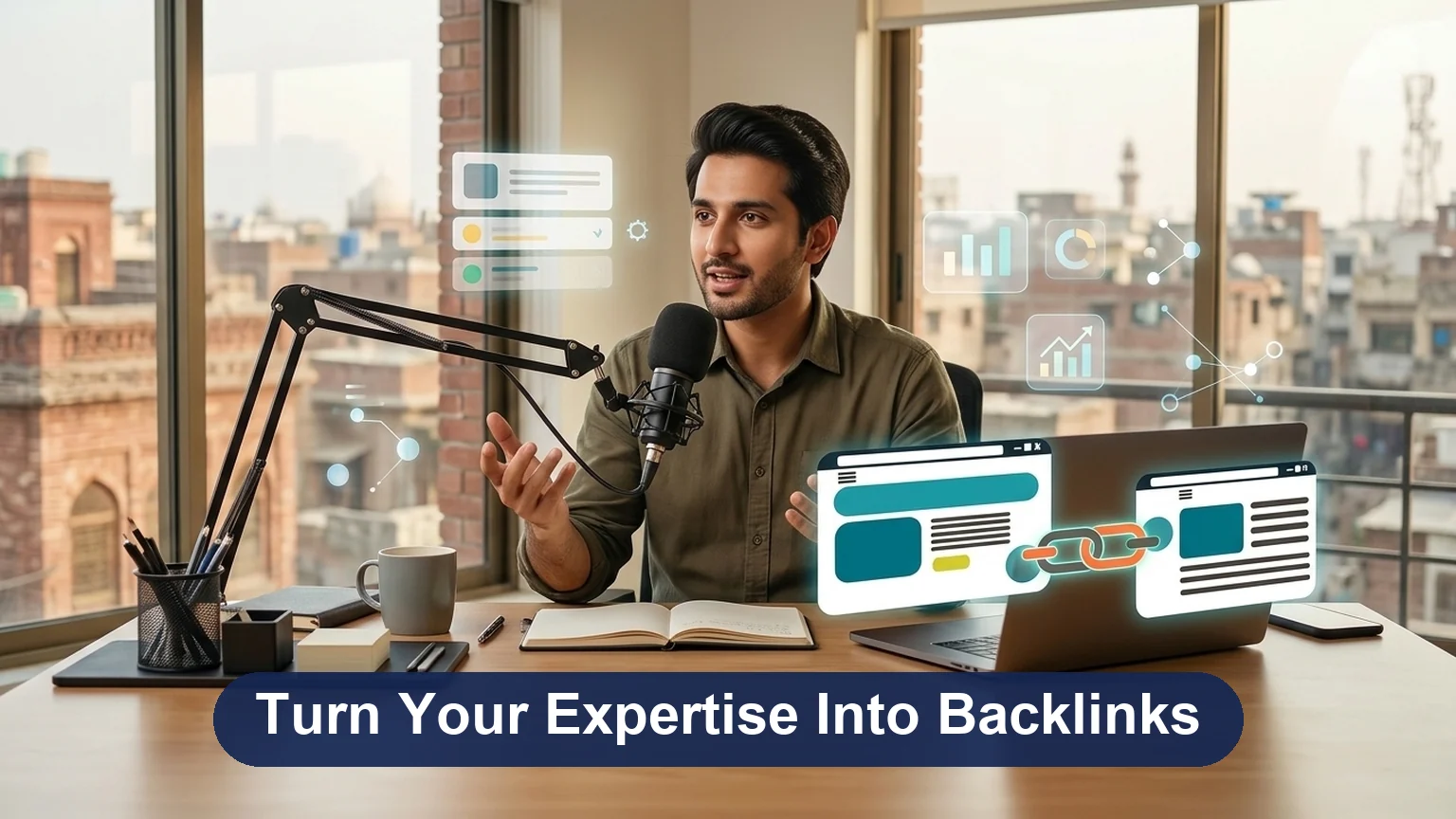
Being an expert in your niche makes link-building much easier. People will take your word more seriously, and you’ll have unique insights to share. Even being a passionate hobbyist can go a long way in sharing interesting insights from personal experiences.
Answer Journalist Requests to Get Free Press
Journalist request services connect reporters who need an expert quote with people who can give one. The best-known, HARO (Help A Reporter Out), was shut down by Cision in December 2024 and relaunched under the HARO name by Featured in 2025; free alternatives include Source of Sources, started by HARO's original founder, and Help a B2B Writer, while Qwoted serves larger publications. Sign up as a source and you receive queries from journalists; reply to the right ones quickly, in a few specific sentences, under your real name and job title, and you can earn mentions and backlinks from publications you could never pitch cold.
Boost Your Authority with Guest Posting
Guest posting is a powerful link building tactic that involves creating content for other websites. Most websites will allow you to include a link to your site within the content as long as it adds value. Use tools like Ahrefs Content Explorer to find websites that accept guest posts and pitch your content to relevant sites.
Expand Your Reach through Podcast Interviews
Podcast interviews are another excellent link building strategy, allowing you to build a reputation as an authority in your niche and earn backlinks. Choose podcasts with episode pages on their websites, which often include a link to the guest’s homepage and social profiles. Reverse-engineer a podcast interviewee’s homepage or social profile backlinks to find podcast prospects that are likely to link to your site.
Create Linkable Assets Only an Expert Could Make
Outreach is much easier when you have something people want to cite. A linkable asset is a page built to be referenced by other writers. Your expertise is what makes it hard to copy.
Strong linkable assets for small businesses include:
- Original data: a short survey of your customers, prices you track over time, or results from your own tests. Journalists and bloggers need numbers and credit the source.
- Free tools and calculators: a cost estimator, a size chart or a simple checker that solves one problem well.
- Definitive guides: the most complete, up-to-date answer to one question in your niche, with clear steps and examples from your own work.
- Templates and checklists: documents people use again and again, then link to when they recommend them.
- Local explainers: guides about rules, costs or processes in your city, which national sites rarely cover well.
The same assets now earn a second kind of visibility. Google's AI Overviews and AI Mode, and assistants such as ChatGPT and Gemini, cite sources for the facts they give, and they favour pages with original data and clear, attributable expert statements. One good asset can therefore bring links from writers and mentions in AI answers at the same time.
To find a good topic, look at pages in your niche that already have many referring domains in Ahrefs or Semrush. Ask what they are missing, what has gone out of date, and what you know from experience that they do not. Then build a clearly better version.
Publishing is only half the job. Make a list of writers who have linked to older or weaker versions of the same resource and tell them your page exists. Include one specific reason it will help their readers, such as newer figures or a missing step.
Keep the asset alive. Update the figures at least once a year, note the date of the last update near the top, and add new sections when readers ask questions you did not cover. A resource that stays current keeps earning links for years, while an outdated one slowly loses them to newer pages.
Use Broken Link Building and Unlinked Mentions
These two tactics work because you are helping a site owner fix a problem, not just asking for a favour.
Broken link building
- Find resource pages and articles in your niche. Search operators such as
intitle:resourcesplus your topic help. - Check those pages for dead outbound links using a browser extension or an SEO crawler.
- See what the dead page used to contain, using the Wayback Machine.
- If you have, or can create, a page that covers the same topic well, email the site owner. Tell them exactly which link is broken and suggest your page as a replacement.
You can also start from the other side: use a backlink tool to find dead pages on competitor sites that still have many links pointing at them, then contact the sites that link to them.
Unlinked brand mentions
People often mention a business, product or person without linking. Search for your brand name, your founders' names and your products, excluding your own site (for example "your brand" -site:yourdomain.com). Set up Google Alerts so new mentions reach you. When you find one without a link, thank the author and ask whether they would add a link so readers can find you. Because they already chose to mention you, this request succeeds far more often than cold outreach.
Run Outreach That Respects Editors and Google's Rules
Link building still involves outreach, but sending more emails is not the answer. Editors ignore generic pitches, and spammy campaigns hurt your reputation. Focus on relevance and personal effort.
- Build a short list: 20 relevant sites you have actually read are worth more than 500 scraped contacts.
- Personalise every message: mention a specific article, explain why your idea or resource fits their audience, and keep it under 150 words.
- Lead with value: offer data, a quote, a fix or a well-researched article, not a request for a link.
- Follow up once: one polite reminder after about a week is fine. More than that is pushy.
- Track everything: keep a simple sheet with the site, contact, date, status and live URL so you do not pitch the same person twice.
Where to pitch in Pakistan
- Local tech and business press: ProPakistani, TechJuice and Profit by Pakistan Today take expert comment, data and launch news from local businesses. Pitch a specific angle with a quote ready, not a press release.
- Podcasts: search Spotify, Apple Podcasts and YouTube for Urdu and English business, startup and marketing podcasts recorded in Pakistan; most have episode pages or video descriptions that link to the guest's site.
- Chambers, universities and trade bodies: member directories, event pages and guest lecture listings give relevant links from trusted local domains.
Stay within Google's spam policies. Do not pay for links that pass ranking credit, swap links at scale, or ask for exact-match keyword anchors in every placement. If a site charges for a post or listing, the link should use rel="sponsored". Links earned through real expertise are the ones that keep their value after algorithm updates.
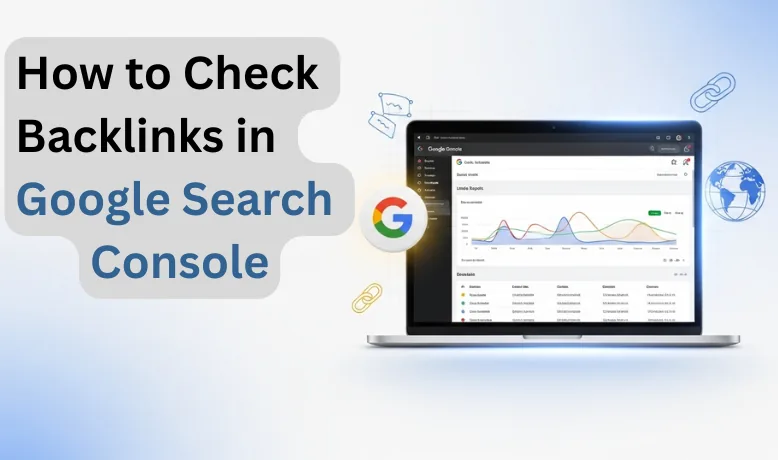
Finally, measure results. Watch new referring domains in Google Search Console's Links report and your backlink tool, and check whether the pages you promoted move up for their target keywords over the following months.
Conclusion
By using these six link building tactics, journalist requests, guest posting, podcast interviews, linkable assets, broken link building and unlinked brand mentions, you can earn links that reflect real expertise and drive traffic to your business website. Good luck with your link-building journey!
Frequently asked questions
What is the easiest link building tactic for beginners?
Reclaiming unlinked brand mentions is usually the easiest. Search for your business or name, find pages that mention you without a link, and politely ask the author to add one. The writer already knows and likes your brand, so the request is small. Local directories and supplier or partner pages are other simple starting points for small businesses.
Is HARO still available?
Not in its original form. Cision folded HARO into Connectively and shut that service down in December 2024. In 2025 the HARO name was relaunched by Featured, so a service called HARO exists again, alongside free alternatives such as Source of Sources (started by HARO's founder) and Help a B2B Writer, and paid platforms such as Qwoted. The way to win on all of them is the same: reply fast, briefly and specifically, as a named expert.
How long does link building take to show results?
Expect weeks to months. Google has to discover and recrawl the linking pages, and a new link's effect builds over time. Competitive keywords need more and stronger links than local or long-tail terms. Track referring domains and rankings for the target page monthly rather than daily, and judge a campaign over at least a few months.
Is guest posting still a good link building tactic?
Yes, when the focus is on reaching a relevant audience with genuinely useful articles on well-edited sites. Google warns against large-scale guest posting campaigns with keyword-rich anchor links, and its site reputation abuse policy demotes unrelated sponsored articles on big sites. If a site charges for the placement, the link should be marked rel="sponsored". Write for readers first and treat any followed link as a bonus.
How do I write a link building outreach email that gets replies?
Keep it short, personal and useful to the recipient. Use their name, mention the exact page you read, explain in one or two sentences what you offer and why it helps their readers, and make a single clear request. Avoid templates that obviously went to hundreds of people. Send one polite follow-up after about a week, then move on.