Beginner’s Guide to Choosing the Right SEO Guest Posting Service
In digital marketing, backlinks are like online votes of confidence, and one of the best ways to earn them is through SEO guest posting. But with hundreds of guest posting services, how do you know which is right for your website, especially if you’re just starting?
Key takeaways
- To choose a guest post service, check niche relevance, real organic traffic, editorial review and sample placements first.
- Filter by traffic trend and spread across pages; Moz DA and Ahrefs DR are tiebreakers, not Google metrics, and are easy to inflate.
- If money changes hands the link should be rel="sponsored" or nofollow; a service selling "guaranteed dofollow" links is selling what Google's spam policies prohibit.
- Ask whether the post sits in the site's normal editorial flow; Google's site reputation abuse policy targets sponsored and third-party sections.
- Demand transparent pricing, a clear timeline and control over anchor text, and avoid hidden site lists, instant acceptance and very cheap offers.
As a beginner, it’s easy to fall into traps — buying links from spammy sites, wasting money on low-quality content, or getting no SEO value. That’s why choosing the right SEO guest posting service is crucial for building authority, improving search engine rankings, and driving long-term traffic to your site. In this beginner-friendly guide, we’ll discuss the most important factors to consider so you can make smart, safe, and effective choices for your SEO journey.
Why Should You Care About Guest Posting?

SEO is more competitive than ever, and simply publishing content on your site isn’t enough. Guest posting remains one of the most effective ways to build high-quality backlinks, boost brand authority, and drive targeted traffic to your website. With Google’s algorithms prioritising experience, expertise, authoritativeness and trust (E-E-A-T), getting featured on trusted websites in your niche strengthens your SEO and builds credibility in your industry. If you’re serious about growing your online presence, guest posting is no longer optional — it’s essential.
What is Guest Posting?
Guest posting (also known as guest blogging) is when you publish an article on someone else’s website or blog, usually in the same industry or niche as yours. In return, you often get a backlink to your website, which helps improve your Google search rankings and drives targeted traffic.
Consider borrowing someone else’s audience to share your knowledge and promote your site. It’s a win-win — the host site gets free quality content, and you get exposure, credibility, and SEO value (link juice).
For example, if you run a digital marketing blog, you might write a helpful post about SEO tips and publish it on a popular marketing website with a link to your blog.
Key Factors to Consider When Choosing a Guest Posting Service
Now that you understand what guest posting is, let’s explore the most important factors you should look for when selecting a guest posting service, especially if you’re just starting. These will help you avoid low-quality websites and ensure that your backlinks benefit your SEO.
Make Sure the Site is Relevant to Your Niche
One of the most important things — and a mistake many beginners make — is posting on websites unrelated to their industry.
For example, if your website is about fitness, getting a backlink from a mobile tech blog won’t be as valuable as from a health or fitness-related blog. Google pays close attention to the relevance between the linking site and your own. This is called contextual relevance.
When your backlink appears on a site that discusses similar topics, Google considers it more natural and trustworthy, which can lead to better rankings.
Tip for beginners:
Always ask the guest posting service what topics the site usually publishes, or request to see sample articles. If the content matches your niche, it’s a green flag.
Check Real Traffic First, Then Domain Authority (DA)
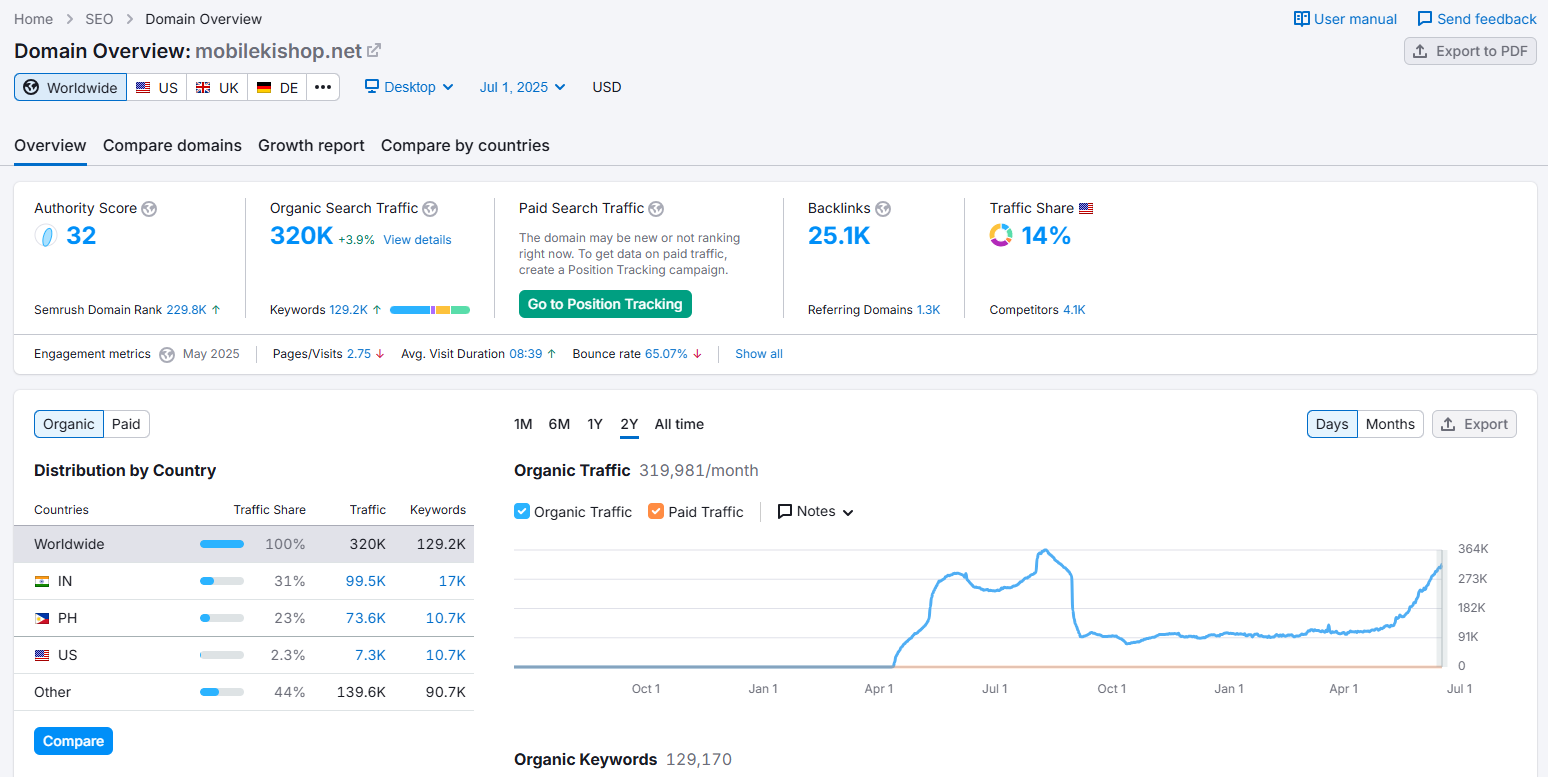
Domain Authority (DA) is a score (from 1 to 100) developed by Moz that predicts how well a website will rank on search engines. DA is a Moz estimate, not a Google metric, so treat a higher score only as a rough sign of a stronger link profile.
A backlink from a relevant, well-established site can pass more SEO strength (also called “link juice”) to your website. That means your site has a better chance of ranking higher in search results.
Beginner Tip:
Use traffic as your first filter: look for a stable or rising organic traffic line over the past 12 months, spread across many pages rather than one viral article. Treat DA (Moz) or DR (Ahrefs) only as a tiebreaker between two sites that both pass the traffic test, because these scores are easy to inflate on link-selling sites. You can check them with free tools like:
- Moz Link Explorer
- Ahrefs Website Authority Checker (reports Domain Rating, DR, not DA)
- Ubersuggest
Avoid:
Sites with no organic traffic, a “write for us” page open to every topic, or a sponsored-post category full of casino, CBD and crypto articles. A high DA does not rescue a site like that.
Understand DoFollow, NoFollow and Sponsored Links
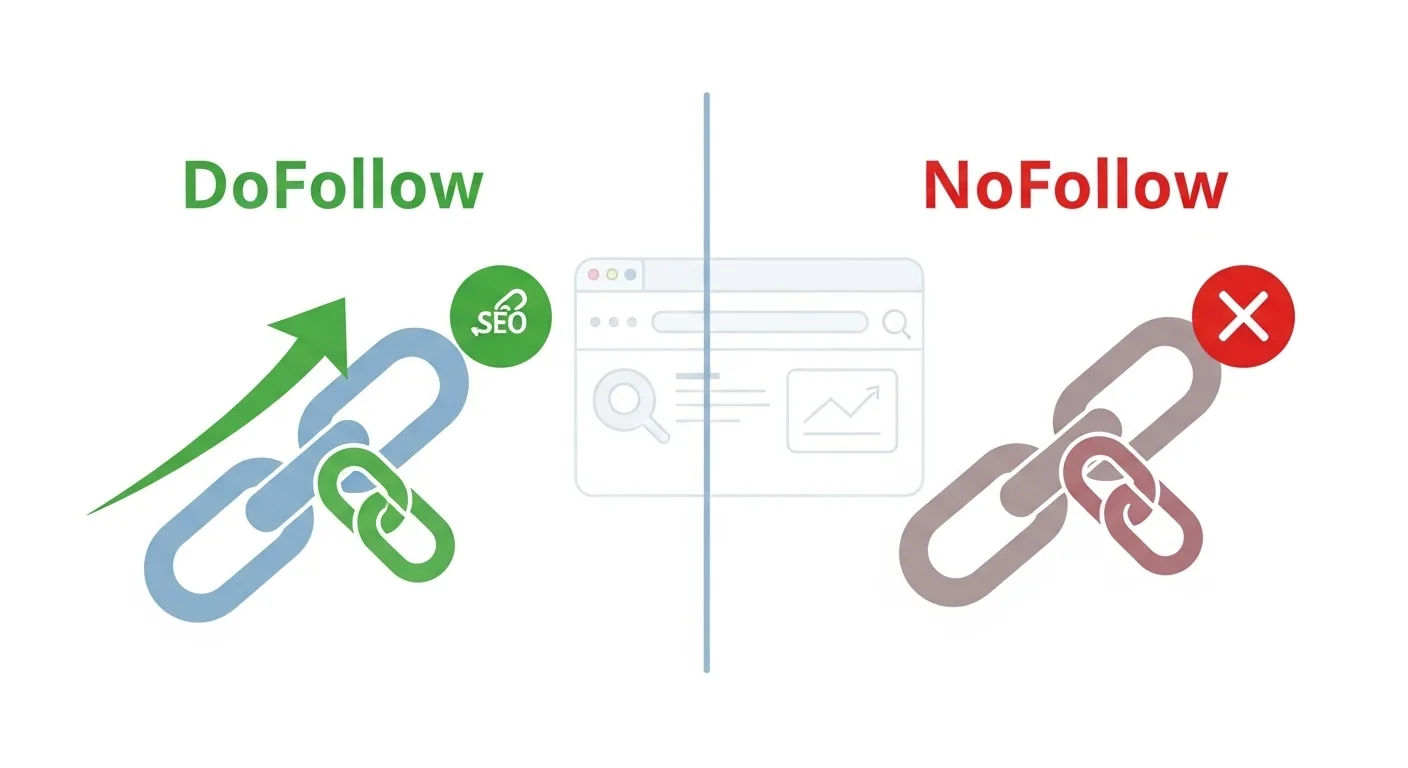
When choosing a guest posting service, it’s important to understand the difference between DoFollow and NoFollow links.
- A DoFollow link (typically without a rel attribute) tells search engines to pass SEO value (link juice) to your website.
- A NoFollow link is marked as rel=”nofollow” and tells search engines not to pass that value.
A followed link passes ranking credit, which is why sellers advertise it. But Google’s spam policies are clear: if money changes hands, the link should be marked rel="sponsored" (or nofollow). A service that sells “guaranteed dofollow” placements is selling something Google may ignore or act against, so ask the service provider in advance how links are marked, and judge the placement by its audience rather than its link attribute.
Beginner Tip: Always confirm if the backlink will be DoFollow, NoFollow (rel=”nofollow”), or Sponsored (rel=”sponsored”).
- DoFollow links pass ranking credit, which is legitimate when the link was earned editorially rather than bought.
- NoFollow links don’t pass link equity but can still drive referral traffic and credibility. Even high-authority sites like Wikipedia and Forbes use NoFollow links, and getting a mention there is still considered extremely valuable for visibility and trust.
- Sponsored links are used for paid placements and may have reduced SEO value, so unless you’re aiming for PR or branding, it’s best to avoid them purely for SEO.
Watch Out For: Services that don’t disclose the link type, or that charge extra for a “guaranteed dofollow” link, are red flags.
Bottom Line: Editorially earned followed links are the most valuable, but a paid placement should be sponsored or nofollow, and a sponsored or nofollow link from a site with real readers still brings referral visits, brand mentions and future natural links.
Check if the Site Has Real Organic Traffic
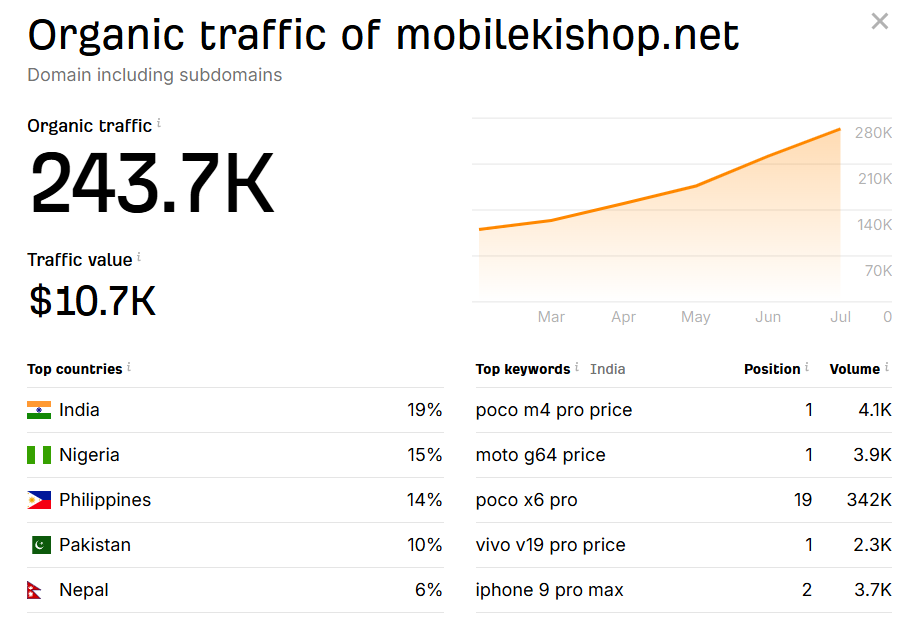
Just because a website looks professional doesn’t mean it gets visitors. Some sites are designed well but have zero organic traffic, which means your guest post won’t be seen by real people or benefit your SEO.
A high-quality guest posting site should have real, consistent traffic from search engines — ideally, that traffic should be spread across multiple pages, not just one viral article.
How to check?
Use tools like:
- Ahrefs
- SEMrush
- Ubersuggest
These tools let you see:
- How much organic traffic a site is getting
- Which pages are getting traffic
- Whether the traffic is growing or declining
Beginner Tip
Avoid websites where only one or two pages bring in most traffic. If that one page loses its ranking, the whole site becomes useless for backlinks.
Red flag
Guest posting services that can’t show traffic stats or only focus on DA but ignore traffic are traps. Remember, DA without real visitors is a trap.
Review Content Quality and Design
Before you buy a guest post, take a few minutes to browse the site and examine its content. This will give you a clear idea of whether the website is genuine or just built to sell backlinks.
A high-quality site will have:
- Well-written, original blog posts
- Minimal to no grammar mistakes
- Useful content that’s relevant to readers
- Clean, professional design (not messy or full of pop-up ads)
On the other hand, low-quality guest posting sites often have:
- Poorly written content stuffed with keywords
- Articles that don’t make sense or are copied from elsewhere
- A site layout that’s hard to navigate or spammy-looking
Beginner Tip:
Always check 2–3 recent blog posts before ordering. If they’re helpful and easy to read, it’s a good sign. Stay away if they look like they’re written only for SEO bots.
Avoid
Websites with too many ads, low-effort blog posts, or posts about random topics that don’t seem to belong together.
Ask About the Editorial Process
A trustworthy guest posting site doesn’t just copy and paste your article — it reviews it carefully before publishing. This step is called the editorial process, and it’s a sign that the website cares about quality.
Here’s what a proper editorial process should include:
- Checking grammar and spelling
- Making sure the content is relevant to the site’s audience
- Possibly editing the article for clarity, tone, or structure
- Rejecting content that looks spammy or low-effort
This process ensures your post looks professional and fits naturally with the rest of the site.
Beginner Tip
Before placing an order, ask the service:
“Do you review or edit the content before it’s published?”
Suppose they say yes, great. If not, you might end up on a low-quality site that accepts anything to make money.
Red flag
Sites that accept all articles instantly without any checks are often part of link farms or PBNs (Private Blog Networks), and Google may penalise links from these sites.
Know the Price Upfront
Pricing for guest posting services varies from a few thousand rupees on a small Pakistani blog to several hundred dollars on a well-known international site (see the price bands further down). As a beginner, it’s important to understand exactly what you’re paying for and ensure no hidden costs.
A reliable guest posting service will:
- List the price for each site or package
- Tell you what’s included (e.g. link attribute, content writing, placement)
- Mention any extra charges (e.g. custom content, fast publishing)
You should never have to guess how much the final cost will be.
Beginner Tip
Ask for a price list or catalog before ordering. Compare the pricing with the site’s traffic, niche relevance and editorial standards to decide if it’s worth it.
Avoid
Services that are:
- Too cheap (e.g. $5 guest posts — likely spam)
- Vague about pricing, or change the price after you show interest
Remember: Quality backlinks are an investment. Cheap links save money now, but can damage your SEO in the long run.
Get a Clear Timeline
When you pay for a guest post, you should know exactly when it will be published. A reliable guest posting service will give you a clear timeline — usually between 7 and 14 days, depending on the site and editorial process.
Getting your article live on time is important because:
- It helps you plan your SEO campaigns
- You can start tracking traffic and backlink effects
- It shows the service is professional and trustworthy.
Beginner Tip:
Always ask upfront:
“How long will it take for my guest post to go live?”
And make sure this is mentioned in your order or agreement.
Avoid
- Services that go silent after payment
Promises like “as soon as possible” with no real date - Long delays without updates could mean they don’t have real site access.
A professional service will communicate, deliver on time, and provide updates if needed.
Ensure You Can Use Your Anchor Text
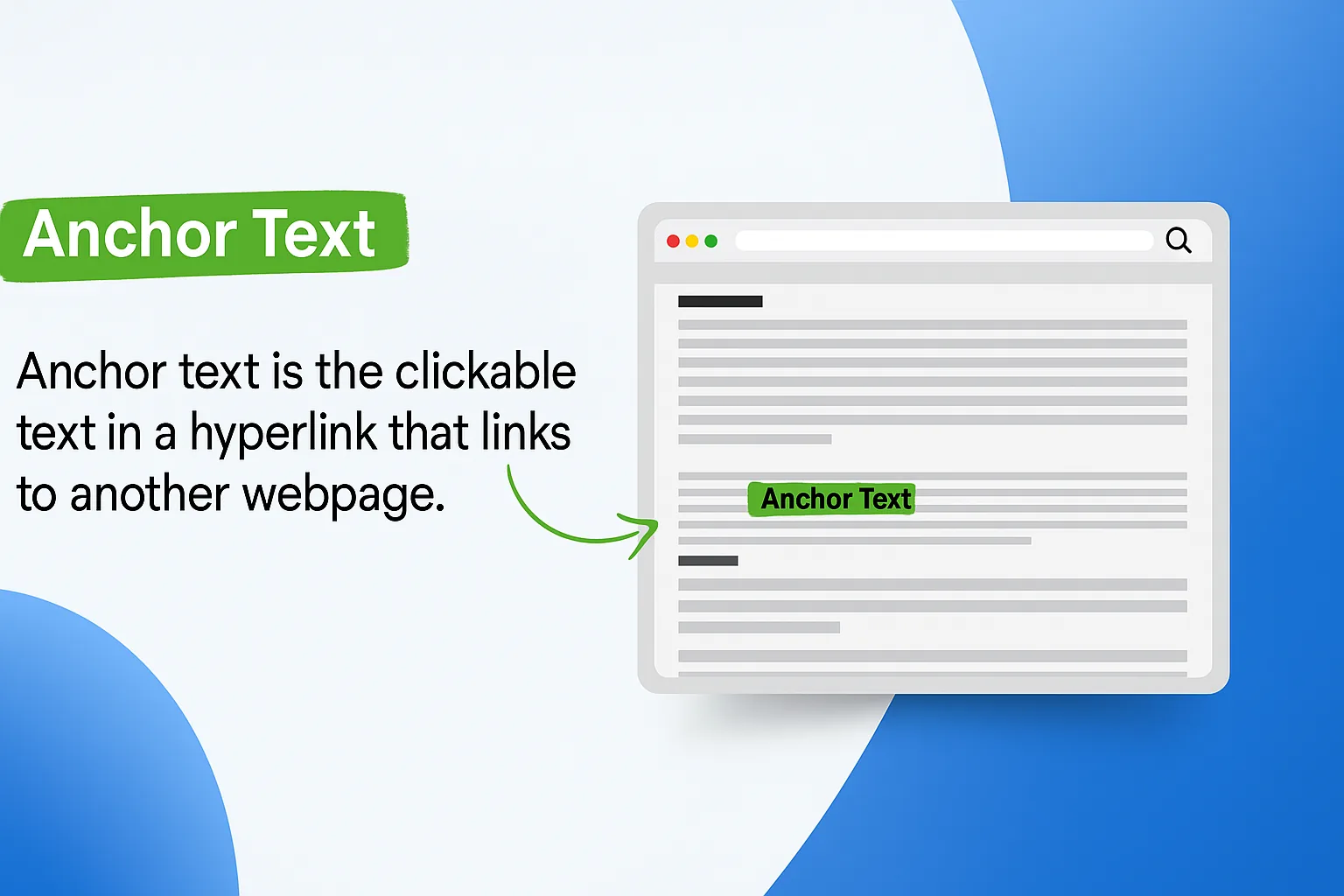
Anchor text is the clickable text used in a hyperlink, and it plays a big role in SEO. For example, in this sentence:
Learn more about digital marketing tools,
“Digital marketing tools” is the anchor text that links to a page.
When guest posting, you want to control your anchor text to include your target keywords. This helps Google understand what your page is about and improves your rankings.
Beginner Tip
Ask the guest posting service:
“Can I choose my anchor text?”
You should be able to specify exactly what text is linked, whether it’s your brand name, a keyword, or a mix.
Avoid
- Services that only use generic text like “click here”
- Services that change your anchor text without permission
- Over-optimising (don’t use the same keyword in every link)
One more tip
Use a mix of anchor text types (brand, URL, keywords) to keep your backlink profile looking natural.
Look at Previous Guest Posts
Before placing an order, it’s smart to ask for samples or check the blog to see previous guest posts published.
Why? Because it gives you a clear idea of:
- The quality of the content
- How naturally the backlinks are placed
- Whether the site looks active and trustworthy
Past guest posts should be well-written, placed in context, and published on clean, relevant websites. But it’s a red flag if the content looks spammy, is full of links, or doesn’t match the site’s topic.
Beginner Tip
Ask the guest post service:
“Can you share 2–3 sample links from recent placements?”
Check the layout, writing quality, and where the link is placed (in content = best).
Avoid
- Sites that hide previous work or refuse to show examples
- Pages where guest posts are marked as ads or buried at the bottom
A strong sample shows that the platform is used by real marketers, not just sellers trying to game Google.
What Guest Posts Cost in 2026
Prices vary with the site's traffic, niche and whether writing is included, so treat these as indicative bands as of October 2026 rather than a price list. Dollar figures convert to rupees at the current rate, roughly PKR 280 per dollar at the time of writing.
| Type of site | Indicative price per post | What you usually get |
|---|---|---|
| Small Pakistani niche blog with real local readers | About PKR 3,000 to 15,000 | Placement only; you supply the article, one or two links |
| Established Pakistani news, tech or business site | PKR 15,000 to 60,000 and up | Editorial review, often marked sponsored, sometimes writing included |
| International niche blog | USD 50 to 150 (about PKR 14,000 to 42,000) | Placement, usually with writing extra |
| Well-known international publication | USD 200 to 500 and more | Editorial standards, sponsored label, real audience |
What pushes the price up is genuine: organic traffic, a tight niche such as finance, health or law, an editor who rejects weak pieces, and writing included. What should make you suspicious is a marketplace listing thousands of sites in every niche at the same flat price, or a seller quoting a few dollars per post; those inventories are almost always link farms that exist only to sell placements.
Before you spend, work out what a placement needs to return. A PKR 10,000 post that sends twenty relevant visitors a month to a Lahore service page can pay for itself with one enquiry; a PKR 2,000 post on a site nobody reads returns nothing however high its DA.
Paid Guest Posts and Google's Link Spam Policy
Most guest posting services charge a fee, so you need to know where Google draws the line. Google's spam policies treat buying or selling links that pass ranking credit as a link scheme. This includes paying for an article that contains a followed link.
What this means when you choose a provider:
- Paid placement, sponsored link: if money changes hands, the link should carry
rel="sponsored"(orrel="nofollow"). This is within the rules. - Services selling "guaranteed dofollow" links: these are selling exactly what the policy prohibits. The links may be ignored by Google's systems, and repeated patterns can lead to a manual action.
- Outreach services: some providers pitch your article to editors who publish it on merit. Here you pay for the writing and outreach work, and the editor decides on the link.
Site reputation abuse: where your post sits matters
Since May 2024 Google has also enforced a site reputation abuse policy. It targets third-party content placed on an established site mainly to borrow that site's rankings, with little oversight from the site itself: think "sponsored" subfolders, "write for us" sections and partner areas filled with outside articles. Google has removed such sections from search results on some large publishers. Before you buy, ask whether your article will appear in the site's normal editorial flow, reviewed by its editors, or in a separate sponsored section. A post in a demoted section brings you nothing, whatever the site's authority.
So judge a paid placement mainly by the audience it reaches: referral visits, brand exposure and the chance that readers link to you later. A service that talks only about DA and dofollow links, and never about readers or relevance, is focused on the wrong things.
Conclusion
Choosing the right SEO guest posting service doesn’t have to be complicated, especially when you know what to look for. By focusing on niche relevance, real traffic, editorial standards, content quality, and transparent practices, beginners can avoid common mistakes and earn placements that bring real readers as well as links. Start small, ask the right questions, and always aim for quality over quantity. With the right approach, guest posting can become one of your most valuable SEO strategies.
Frequently asked questions
What questions should I ask a guest post service before paying?
Ask for the full site URL, not just metrics. Ask how the site gets its traffic, whether an editor reviews the article, how the link will be marked, whether you can choose the target page and anchor, how long the post stays live, and what happens if it is removed. A trustworthy provider answers all of these clearly and in writing.
What are red flags in a guest posting service?
Watch for services that hide the site names until you pay, promise guaranteed rankings, sell hundreds of sites in every niche at the same low price, or offer placements on sites full of unrelated sponsored posts. Sites that publish anything instantly without editing are often link farms. Refusing to show past placements is another strong warning sign.
Should I use a guest post service or do outreach myself?
Manual outreach takes more time but gives you full control and usually earns stronger editorial links. A service saves time and brings existing publisher relationships, which suits busy business owners. Many businesses combine both: they pitch a few top sites themselves and use a vetted service for extra reach. Either way, apply the same quality checks.
What should a guest post package include?
A clear package names the site, states whether writing is included, lists the number and type of links, explains the link attribute, gives a publishing timeline and says how long the post will stay live. It should also include a live URL report after publication. If any of these details are missing, ask before you order.
Do paid guest posts still work for SEO in 2026?
They work differently from the way sellers describe them. Google says links matter less than they once did, and a paid link should be marked sponsored, so the ranking boost from a bought link is small and risky. What still works is the audience: a post on a site your customers actually read brings referral visits, brand searches and natural links from people who found you there. Judge every placement by that.