Content Quality and Relevancy: Engaging Users and Improving SEO
In the digital landscape, content quality and relevance are critical factors that determine a website’s success in engaging users and ranking on search engines. High-quality, relevant content ensures that visitors find value in what they read while signaling to search engines that the page deserves visibility.
Key takeaways
- Quality content is accurate, original, complete and easy to read; relevant content matches the searcher's intent.
- Google's core ranking systems reward helpful, people-first content and use E-E-A-T signals to judge credibility, whoever or whatever wrote it.
- Bounce rate, dwell time and CTR are diagnostics for you, not confirmed Google ranking factors; use GA4's engagement rate and average engagement time to find weak pages.
- Structure with clear headings, direct answers near the top, internal links and schema that still earns a visible result; Google ended FAQ and How-To rich results.
- Pages with first-hand detail are the ones AI Overviews and AI Mode cite; audit and update key content regularly so facts and intent stay current.
What is Content Quality?
Content quality refers to a piece of content’s value, accuracy, structure, and engagement level. High-quality content effectively communicates information, provides solutions to user queries, and is structured to enhance readability and SEO performance.
High-quality content is accurate, informative, and user-focused, offering clear and actionable insights. It is well-researched, structured, and engaging, making it valuable for both readers and search engines.
Characteristics of Quality Content
- Accuracy – Content must be factually correct, well-researched, and supported by credible sources to establish authority.
- Depth – High-quality content comprehensively covers a topic, answering user questions completely.
- Originality – Content must be unique and free from plagiarism, offering fresh insights rather than duplicate or reworded material.
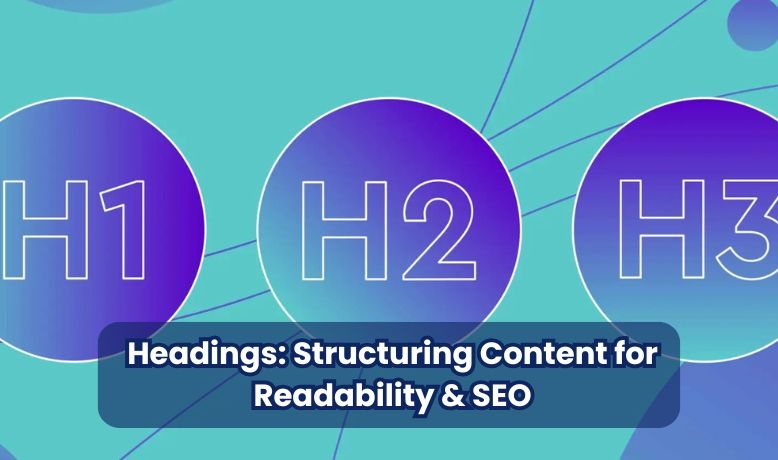
- Structure – Well-structured content with headings (H1, H2, H3), bullet points, and logical organization improves readability and engagement.
- Clarity & Readability – Using simple, concise language, short sentences, and proper formatting enhances user experience.
- Engagement Elements – Adding images, infographics, videos, and interactive elements makes content more engaging and digestible.
- SEO Optimization – Using relevant keywords naturally, applying schema markup, and structuring metadata helps improve search visibility.
Why Search Engines Prioritize High-Quality Content
Search engines, particularly Google, evaluate content quality based on multiple factors:
- Satisfied searchers – Google's systems estimate whether a result satisfied the person who clicked it. Google says bounce rate and dwell time from analytics are not direct ranking factors, but a page people abandon rarely stays on top for long.
- Expertise, Experience, Authority, and Trust (EEAT) – Google favors authoritative sources and expert-written content for ranking purposes.
- Content Depth and Completeness – Thin or superficial content ranks lower than comprehensive, in-depth articles.
- Originality and Uniqueness – Duplicate or low-value content gets penalized by Google’s algorithms.
- Structured and Readable Content – Proper formatting, clear headings, and optimized metadata improve both SEO and user experience.
What is Content Relevance?
Content relevance refers to how well a piece of content matches a user’s query, intent, and expectations. Search engines determine relevance by analyzing keywords, semantic relationships, user engagement metrics, and contextual alignment with search intent.
Content relevance is the degree to which a page’s information is useful and aligned with what users are searching for. It ensures that the content:
- Answers user queries effectively
- Provides up-to-date and topic-related information
- Maintains contextual alignment with search intent
For example, if a user searches for “best content optimization tools,” an article about SEO tools that help improve content quality and structure is relevant, whereas a generic article on SEO techniques might not fully satisfy the query.
User Intent and Content Alignment
Understanding user intent is key to content relevance. User intent refers to the goal behind a search query and is generally classified into three types:
- Informational Intent – Users seek knowledge (e.g., “What is content quality?”).
- Navigational Intent – Users look for a specific website or brand (e.g., “Google Search Console login”).
- Transactional/Commercial Intent – Users intend to make a purchase or take action (e.g., “Best content optimization tools for SEO”).
To improve content relevance, content should:
- Match the user’s search intent precisely
- Include supporting subtopics that answer related questions
- Use structured formatting (headings, bullet points) for better readability
How Search Engines Determine Relevance
Search engines use various algorithmic factors to evaluate content relevance, including:
- Keyword Usage – Ensuring primary and secondary keywords naturally appear in titles, subheadings, and body text.
- Semantic SEO & Natural Language Processing (NLP) – Search engines analyze context and meaning beyond keyword matching, using language models such as BERT, MUM and the Gemini-based systems behind AI Overviews.
- Search Context & Personalization – Google customizes search results based on user location, search history, and past behavior to determine relevant content.
- Satisfaction Signals – Google says it does not use analytics metrics such as bounce rate or dwell time directly, but its systems do try to judge whether searchers found what they wanted, so a page that answers the query well tends to hold its position.
How Content Quality and Relevance Impact SEO

Content quality and relevance directly influence search engine rankings, user engagement, and overall website performance. High-quality, relevant content ensures that users find value in what they read, leading to increased retention, better engagement, and higher search rankings.
Impact on Search Rankings and Indexing
Search engines use content quality and relevance as key ranking factors. Here’s how they impact SEO:
- Crawling and Indexing – High-quality, well-structured content with clear headings, metadata, and internal links makes it easier for search engines to crawl and index the page.
- Ranking Improvements – Content that aligns with user intent and Google’s ranking signals (EEAT, readability, depth) is prioritized in search results.
- Avoiding Penalties – Low-quality, thin, or duplicate content may get de-indexed or penalized, resulting in lost rankings and reduced visibility.
Effects on User Engagement Metrics
Engagement metrics are your early warning system. Google has not confirmed any of them as direct ranking factors, but they show you which pages disappoint readers, and those are the pages that lose rankings over time. The GA4 and Search Console metrics worth watching are:
- Bounce Rate – Users leave quickly if the content fails to meet expectations; in GA4 this shows as a low engagement rate.
- Click-Through Rate (CTR) – Well-optimized titles and meta descriptions attract more clicks, increasing CTR.
- Dwell Time – Engaging and well-structured content keeps users on the page longer, signaling content value.
- Session Duration – GA4 reports this as average engagement time; it rises when people actually read in-depth content.
Google’s Content Quality Guidelines (EEAT & Helpful Content Update)
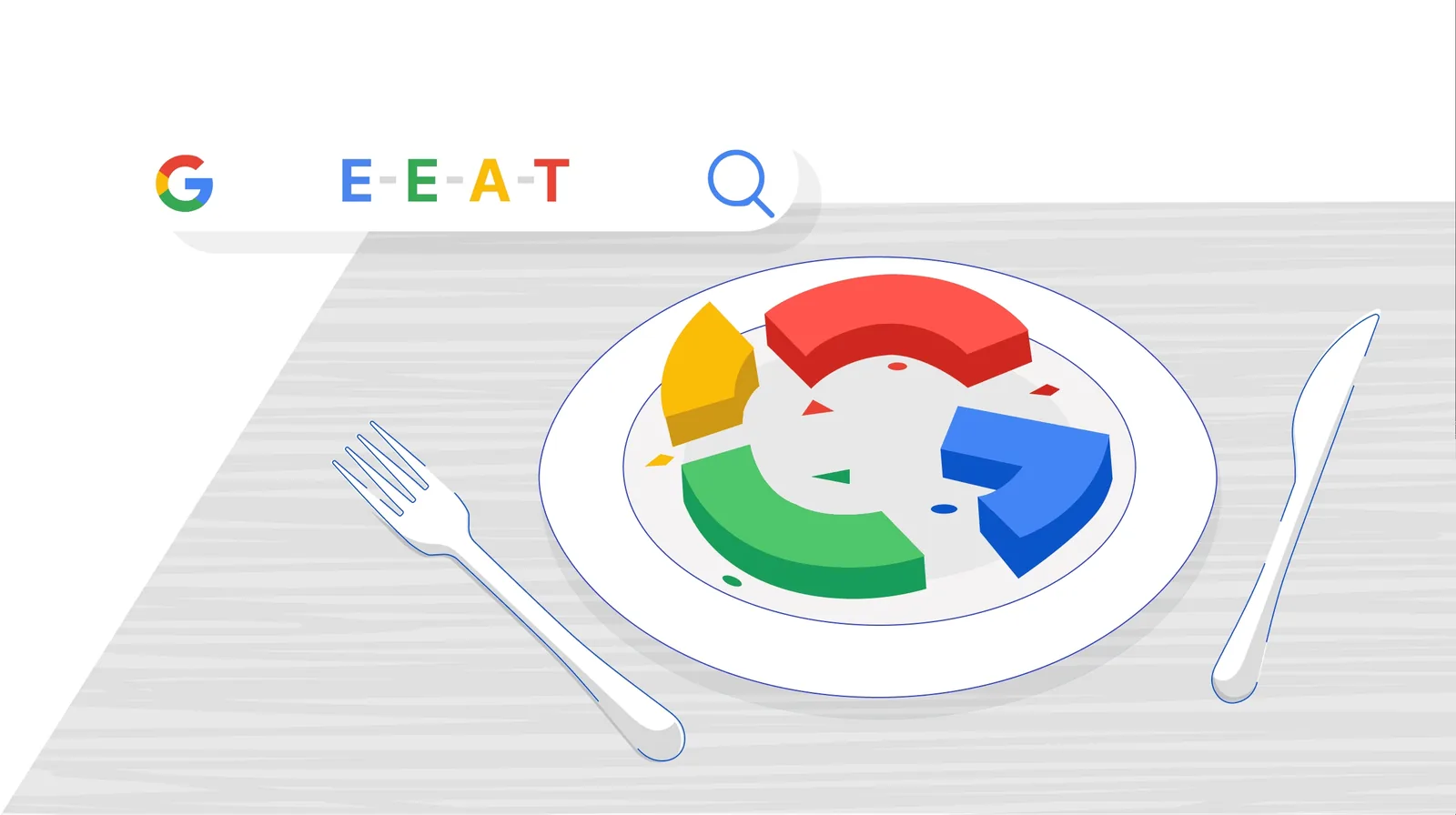
Google evaluates content quality using many signals to make sure users receive reliable, well-researched and helpful information. Two ideas sit behind most of them: E-E-A-T (Experience, Expertise, Authoritativeness and Trustworthiness), which comes from Google's Search Quality Rater Guidelines, and the helpful content signals that now live inside Google's core ranking systems.
Breakdown of EEAT (Expertise, Experience, Authority, Trustworthiness)
Google uses EEAT to determine the credibility of a website’s content. Each component plays a crucial role in ranking and visibility:
- Expertise – Content must be written by an author with deep knowledge of the topic. For example, medical or financial content should be authored by industry professionals.
- Experience – Content should reflect real-world insights or first-hand experience from experts in the field. Google favors original, practical knowledge over generic or rewritten content.
- Authority – Websites with strong domain authority, backlinks from reputable sources, and recognized authors rank higher.
- Trustworthiness – The content should be accurate, fact-checked, and backed by credible sources. Secure websites (HTTPS, privacy policies, and transparent author details) contribute to trustworthiness.
How Google’s Helpful Content Signals Work Now
Google launched the helpful content system in 2022 as a separate, site-wide signal. In March 2024 it was folded into the core ranking systems, so there is no longer a single "helpful content update" to watch for; every core update since has applied the same judgement. The signals favour:
- Demotion of Low-Value Content – Pages that lack depth, originality, or fail to meet user intent rank lower.
- User-Centric Ranking Adjustments – Google demotes unhelpful or rehashed content that does not provide real insights, whether it was written by people or AI. Publishing many such pages at scale falls under its scaled content abuse spam policy.
- Focus on Content That Answers Queries Completely – Articles that leave users searching for more information elsewhere are deprioritized.
Best Practices to Align Content with Google’s Quality Guidelines
To improve content rankings and SEO performance, follow these best practices:
- Demonstrate Expertise & Experience – Ensure content is written by credible authors with real insights and original perspectives.
- Prioritize User Intent – Align content with searcher needs, ensuring it fully answers queries.
- Optimize Readability & Structure – Use short paragraphs, clear headings, and visual elements to improve engagement.
- Use Reliable Sources – Link to credible, high-authority references where necessary.
- Avoid Thin or Repetitive Content – Each page should provide unique value rather than reworded filler, whether a person or an AI drafted it.
- Encourage Engagement & Trust – Add author bios, transparent company details, and factual accuracy to enhance trustworthiness.
Elements of High-Quality Content

Creating high-quality content requires a combination of accuracy, readability, engagement, and SEO structure. These elements ensure that content is valuable to users and optimized for search engines, leading to higher rankings and better user experience.
Accuracy and Reliability of Information
- Fact-Checking – Ensure that all data, statistics, and claims are sourced from credible and authoritative sources.
- Up-to-Date Information – Regularly update content to reflect the latest trends, industry updates, and algorithm changes.
- Authoritative References – Cite reliable sources such as research papers, government websites, and industry experts.
Readability and Clarity (Sentence Structure, Formatting, Accessibility)
- Concise Sentence Structure – Use short, clear, and direct sentences to improve readability.
- Well-Formatted Text – Utilize headings (H1, H2, H3), bullet points, and short paragraphs to make content scannable.
- Avoid Jargon & Complex Language – Use simple, easy-to-understand language while maintaining technical accuracy.
- Mobile & Accessibility Optimization – Ensure content is responsive on all devices and follows WCAG accessibility guidelines (alt text for images, proper contrast, readable fonts).
Engagement Elements (Multimedia, Internal Links, Call-to-Actions, Personalization)
- Multimedia Enhancements – Use images, infographics, videos, and interactive elements to improve engagement and dwell time.
- Internal Links for Better Navigation – Link to relevant content within your website to improve SEO and content discoverability.
- Call-to-Actions (CTAs) – Encourage users to take action (read more, sign up, share, or engage with the content).
- Personalization – Content should address the specific needs of different user segments, offering tailored recommendations and insights.
Content Structure and SEO Best Practices
- Optimized Headings & Subheadings – Use H1, H2, and H3 tags for better SEO and readability.
- Keyword Placement – Integrate primary and secondary keywords naturally in the title, headings, and content body.
- Meta Title & Description Optimization – Ensure click-worthy and informative metadata for better CTR.
- Schema Markup Implementation – Use structured data (Article, Product, Review, Breadcrumb, Organization) for types that still earn a visible rich result.
- Proper URL Structuring – Keep URLs short, keyword-focused, and descriptive.
Content Relevancy Factors for SEO
Content relevance plays a critical role in SEO rankings and user engagement. Search engines assess relevance by analyzing semantic relationships, contextual meaning, and user intent to determine whether content matches a search query.
Semantic Search and NLP (BERT, MUM and Gemini-Era Systems)

Semantic search focuses on understanding the meaning behind search queries rather than just matching exact keywords. Google has used language models for this since BERT in 2019, followed by MUM, and as of 2026 the Gemini models that also power AI Overviews and AI Mode. RankBrain, an older machine-learning system, is still part of ranking but is not something you optimise for directly.
- Google BERT – Helps interpret long-tail queries, conversational search, and context-based questions by understanding word relationships.
- MUM and Gemini-based systems – Understand questions across languages and formats and power AI Overviews and AI Mode, which summarise several pages instead of matching keywords.
How to Optimize for Semantic Search:
✔ Use natural, conversational language in content.
✔ Focus on answering specific user queries (e.g., FAQs, how-to guides).
✔ Implement structured data (schema markup) to help search engines understand content better.
Related Terms and Entities (Not "LSI Keywords")

You will see the phrase "LSI keywords" in many SEO guides. Google has said plainly that it does not use latent semantic indexing, a 1980s document-retrieval technique. What Google does do is understand topics through related terms and entities: the words, names and concepts a genuinely complete page on a subject naturally contains. Cover those and the page reads as thorough to people and to search engines.
For example:
- Primary Keyword: “Content Optimization”
- Related terms: “SEO strategy,” “keyword relevance,” “search intent,” “engagement metrics”
Why Related Terms Matter:
✔ Improve SEO rankings by enhancing contextual relevance.
✔ Reduce the risk of keyword stuffing while maintaining search relevance.
✔ Help content rank for multiple related search terms.
How to Use Related Terms Effectively:
✔ Include synonyms and variations naturally throughout content.
✔ Add related terms in headings, subheadings, and alt text.
✔ Use Google’s “Related searches”, People also ask, and the subtopics an AI Overview covers to find the terms a complete page should include.
Personalization & User Search Behavior
Google customizes search results based on user behavior, location, search history, and device type to serve the most relevant content.
Key Personalization Factors:
- Search History & Past Interactions – Users see different results based on previous searches and browsing patterns.
- Geographic Location – Local searches (e.g., “best SEO agency near me”) prioritize location-based results.
- Device-Specific Results – Mobile-first indexing affects ranking and display format for smartphone users.
How to Optimize for Personalized Search:
✔ Implement local SEO strategies (Google Business Profile, localized content).
✔ Ensure content is mobile-friendly and responsive.
✔ Write the way people ask, so spoken and conversational queries match your headings.
Content Structure and Formatting for SEO
Proper content structure and formatting improve readability, user engagement, and search engine discoverability. A well-structured page helps search engines crawl content efficiently, leading to higher rankings and better user experience.
Using Headings Properly (H1, H2, H3 for Readability and SEO)
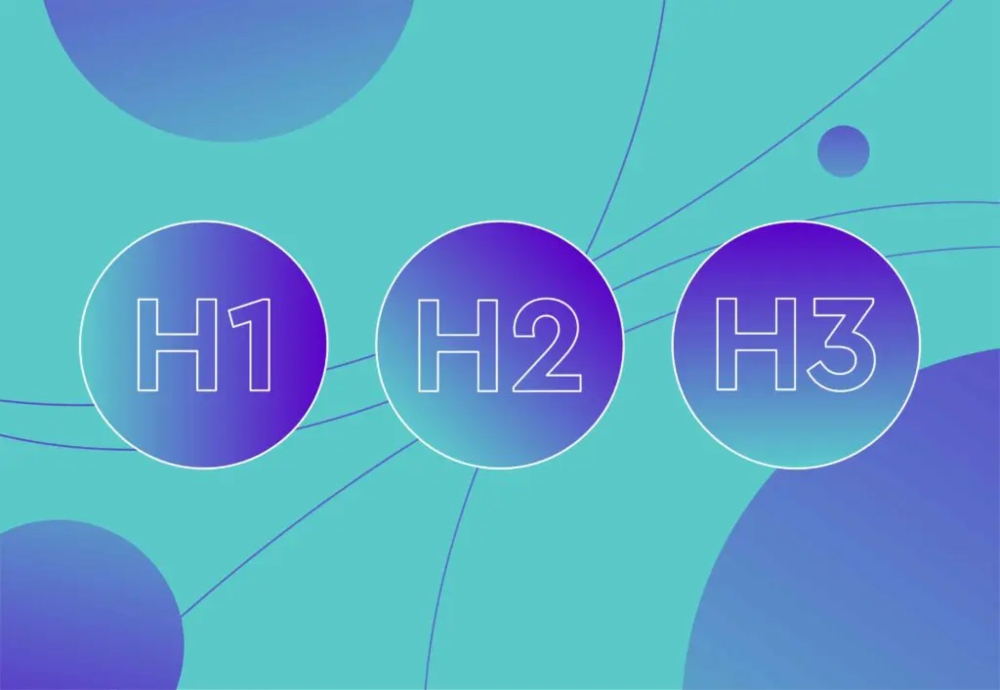
Headings provide a logical structure to content, making it easier for both users and search engines to navigate and understand the main topics.
Best Practices for Using Headings:
✔ H1 (Main Title) – Use only one H1 tag per page, including the primary keyword naturally.
✔ H2 (Main Subtopics) – Organize key sections with H2 tags, ensuring clear topic segmentation.
✔ H3-H6 (Subheadings) – Use H3-H6 for sub points within each section, maintaining a logical hierarchy.
✔ Readability Focus – Keep headings concise, informative, and aligned with user intent.
✔ Keyword Placement – Naturally include related terms in headings without keyword stuffing.
Metadata Optimization (Meta Titles, Meta Descriptions, Alt Text)
Metadata elements are critical for click-through rate (CTR) and search engine understanding.
Key Metadata Elements & Optimization Tips:
- Meta Title – Should be under 60 characters, include primary keywords, and be compelling for users.
✅ Example: Content Quality & SEO: How to Improve Rankings & Engagement - Meta Description – Should be under 160 characters, summarize the content, and encourage clicks.
✅ Example: Learn how content quality and relevance impact SEO. Discover best practices for structuring high-ranking content. - Alt Text (Image Optimization) – Descriptive text for images to enhance accessibility and SEO.
✅ Example: SEO content structure example with headings and metadata optimization.
Internal Linking Strategies for SEO

Internal linking helps distribute link equity across pages, improving both SEO rankings and user experience.
Best Practices for Internal Linking:
✔ Use Contextual Anchor Text – Link relevant phrases that naturally fit within content.
✔ Balance Link Placement – Avoid excessive links; focus on 1-2 internal links per section.
✔ Interlink to High-Value Pages – Connect to related blog posts, service pages, or pillar content.
✔ Fix Broken Links – Regularly check for and update broken internal links.
Schema Markup for Enhanced Search Visibility
Schema markup (structured data) helps search engines better understand page content, improving chances of appearing in rich snippets, featured snippets, and knowledge panels.
Types of Schema for SEO Content:
- Article Schema – Helps Google identify and rank informational content effectively.
- FAQ Schema – Still valid markup, but Google stopped showing FAQ rich results for all sites in May 2026, so expect no visible result from it.
- Breadcrumb Schema – Improves navigation and SEO by structuring website hierarchy.
How to Implement Schema Markup:
✔ Validate schema with Google’s Rich Results Test or our free schema validator.
✔ Add schema manually in HTML or use plugins (for WordPress users).
✔ Ensure markup aligns with Google’s structured data guidelines.
Content Engagement Metrics and How They Affect SEO
Engagement metrics show you how people behave once they reach a page. Google has said it does not use Google Analytics data in ranking and that bounce rate and dwell time are not direct ranking factors, so treat the metrics below as diagnostics: they tell you which pages to fix, and fixing those pages is what moves rankings.
Click-Through Rate (CTR) and Its SEO Impact

CTR (Click-Through Rate) is the percentage of users who click on a search result after seeing it in the SERPs. A higher CTR indicates that the title and description are compelling and relevant to the search query.
Factors That Improve CTR:
✔ Optimized Meta Titles & Descriptions – Use power words, numbers, and action-oriented phrases.
✔ Schema Markup – Adds rich results such as ratings, prices and images to attract more clicks.
✔ URL Optimization – Short, descriptive URLs improve user trust and clickability.
✔ Emotional & Data-Driven Headlines – Example: 10 Proven Ways to Improve Content Engagement (Backed by Data).
SEO Impact:
- A higher CTR means more visitors from the same impressions, without moving up a single position.
- Google has not confirmed CTR as a ranking factor, so treat a low CTR as a title and description problem to fix, not as a penalty.
Dwell Time vs. Bounce Rate: Understanding User Interaction
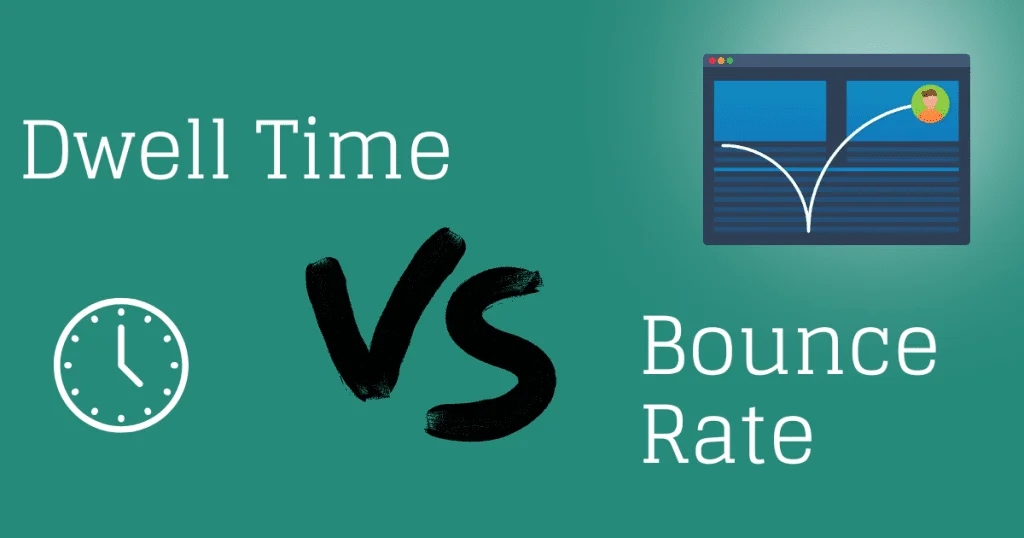
Dwell time (how long someone stays before returning to the results) and bounce rate are the two metrics most often quoted as "engagement signals". Google does not report dwell time anywhere and says it does not use analytics bounce rate for ranking. They are still worth tracking, because they tell you whether the page delivered what the title promised.
Bounce Rate
- In GA4, the percentage of sessions that were not engaged: under 10 seconds, no key event and only one page viewed.
- High bounce rates indicate content irrelevance, poor structure, or slow loading speed.
Dwell Time
- The amount of time a user spends on a page before returning to search results.
- Longer dwell time indicates high content engagement and relevance.
Ways to Improve Dwell Time & Reduce Bounce Rate:
✔ Use Engaging Media (Videos, Images, Infographics) to make content visually appealing.
✔ Improve Readability (Short Paragraphs, Bullet Points, Subheadings).
✔ Internal Linking to Keep Users on the Website.
✔ Fast Page Load Speed – Slow-loading pages result in high bounce rates.
Tracking and Improving Session Duration
Session duration measures how long a user spends on the entire website, not just a single page. A longer session duration indicates deeper engagement and a positive user experience.
Ways to Increase Session Duration:
✔ Provide Related Content Suggestions (Recommended Reading, “You May Also Like” Links).
✔ Create Interactive Elements (Quizzes, Polls, Comments Sections).
✔ Use a Logical Content Flow to Keep Readers Interested.
✔ Improve Website Navigation to Encourage Exploration.
SEO Impact:
- Longer engagement time usually means the content is being read and the next page is being found, which is what you want from a visitor whatever Google does with it.
Do Engagement Metrics Affect Rankings?
Short answer: not directly. Google's statements are consistent on this: it does not use Google Analytics data, bounce rate and dwell time are not ranking factors, and RankBrain does not rank pages by watching your analytics. Its systems do try to measure whether searchers were satisfied, through signals it keeps to itself. The practical rule is simple: use the metrics below to find pages that disappoint readers, improve those pages, and let rankings follow the better page.
What Each Metric Tells You:
- Engagement rate – GA4's replacement for bounce rate. A low rate points to a mismatch with search intent, slow loading or a weak opening; fix the page, not the number.
- Dwell time – Not reported by Google or GA4. Use average engagement time as the nearest proxy.
- CTR – A low CTR in Search Console for a decent position means the title and description are not earning the click.
- Average engagement time – Longer usually means the page is being read; compare pages of the same type rather than chasing a universal target.
- Pogo-sticking – Google has said it does not use pogo-sticking as a signal, but a page people bounce back from is still a page worth fixing.
Best Practices to Optimize Engagement Metrics for SEO:
✔ Focus on User Intent Matching – Ensure content fully answers the search query.
✔ Make Content Visually Appealing – Use images, videos, and formatting to keep users engaged.
✔ Optimize CTA Placement – Encourage further exploration or conversions.
✔ Enhance Mobile Experience – Ensure content is responsive, fast-loading, and easy to navigate.
Content Optimization Strategies for Higher Rankings
Optimizing content for SEO and user experience ensures higher rankings, better engagement, and long-term visibility in search results. By following best practices for keyword targeting, readability, multimedia integration, and regular audits, content remains relevant and valuable.
Keyword Targeting and Placement Best Practices
Keyword optimization is essential for search visibility and contextual relevance. Proper placement helps search engines understand content topics while ensuring a natural reading experience.
Best Practices for Keyword Targeting:
✔ Use Primary Keywords Naturally – Place them in titles, headings, first 100 words, and conclusion.
✔ Include Secondary and Related Terms – Helps search engines understand the topic without keyword stuffing.
✔ Optimize URL Structure – Keep URLs short, descriptive, and keyword-rich (e.g., example.com/content-optimization-strategies).
✔ Leverage Internal Linking with Keywords – Use descriptive anchor text for linking to related content.
Keyword Placement Checklist:
✅ Title Tag (H1) – Primary keyword should appear in the first half.
✅ Meta Description – Include keywords naturally for better CTR.
✅ Headings (H2, H3, H4) – Keywords should appear naturally in subheadings.
✅ Alt Text for Images – Describe images with keyword-rich descriptions.
Multimedia Integration (Images, Videos, Infographics, Interactive Elements)

Images, video and interactive elements make a page easier to understand and give it something a text-only competitor and an AI summary do not have. Google indexes images and video separately, which adds visibility in image, video and Discover results.
Best Practices for Multimedia Optimization:
✔ Use Relevant Images & Infographics – Break up text-heavy content and enhance understanding.
✔ Embed Videos – Videos increase dwell time and engagement.
✔ Optimize File Size & Alt Text – Use compressed images for faster load times and add descriptive alt text.
✔ Add Interactive Elements – Use quizzes, charts, and calculators to increase user interaction.
Example:
An interactive SEO checklist gives readers a reason to stay on the page and come back to it.
Periodic Content Audits for Maintaining Quality and Relevance
Regular content audits ensure that older content remains accurate, relevant, and optimized for changing search algorithms.
Steps for an Effective Content Audit:
✔ Analyze Performance Metrics – Use Google Analytics, Search Console, and SEO tools to track CTR, rankings, and engagement.
✔ Update Outdated Information – Revise statistics, facts, and add recent case studies.
✔ Optimize for New Keywords – Identify emerging search trends and update content accordingly.
✔ Fix Broken Links & Improve Internal Linking – Ensure seamless navigation and updated references.
✔ Enhance Content with Multimedia & Schema – Add new images, structured data, and FAQs.
SEO Benefits of Content Audits:
✅ Maintains long-term rankings
✅ Improves user trust and engagement
✅ Helps content stay aligned with Google’s latest updates
Measuring Content Quality and Relevancy
Tracking and evaluating content quality and relevance is essential for maintaining SEO performance and user engagement. Search engines prioritize well-structured, informative, and relevant content, making it crucial to measure and optimize based on key metrics and tools.
SEO Tools for Evaluating Content
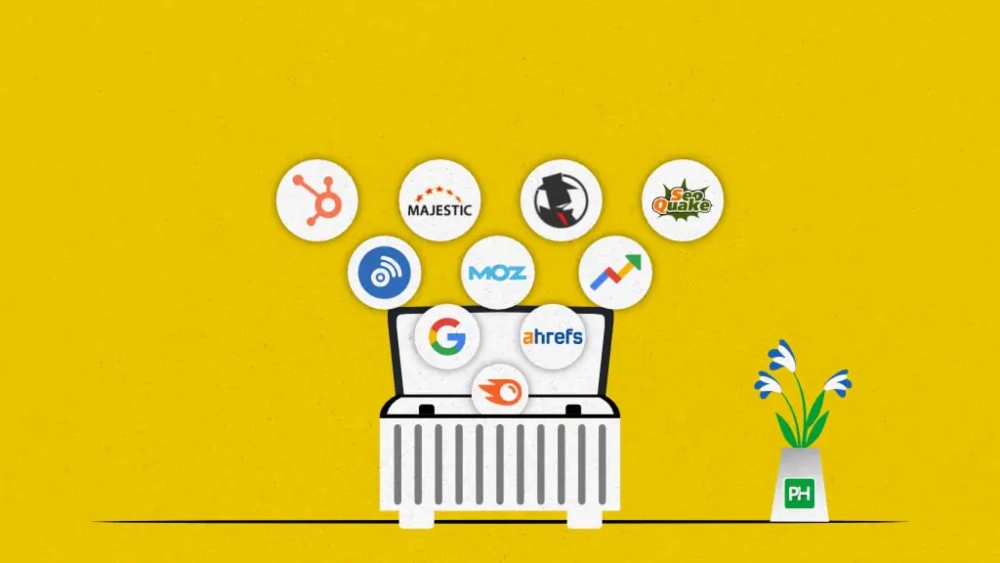
Several SEO tools help analyze content effectiveness, allowing marketers to refine their strategies for better rankings and engagement.
Google Search Console
- Tracks impressions, clicks, CTR, and keyword rankings.
- Identifies pages with high impressions but low CTR (needs better titles/descriptions).
- Helps detect indexing issues and content-related errors.
Google Analytics
- Measures engagement rate, average engagement time and key events in GA4.
- Shows traffic sources and user demographics.
- Helps identify high-performing and underperforming content.
Clearscope & Surfer SEO
- AI-driven tools that analyze top-ranking content and suggest keyword optimizations.
- Helps improve semantic relevance and keyword usage.
- Provides content scores based on readability, structure, and search intent alignment.
Ahrefs & SEMrush
- Tracks backlinks, keyword rankings, and content gaps.
- Identifies competitor content strategies for improvement.
- Analyzes top-performing content based on traffic and engagement.
Content Performance Metrics (Impressions, Clicks, Conversions, Backlinks)
Tracking content performance metrics helps determine whether content is reaching, engaging, and converting users effectively.
Key Metrics to Measure Content Effectiveness:
✔ Impressions – The number of times a page appears in search results (measures visibility).
✔ Clicks & CTR – The percentage of users clicking on search results (indicates how appealing the listing is).
✔ Engagement Rate & Average Engagement Time – GA4's measures of whether visitors stayed and read; low numbers point to a mismatch between the listing and the page.
✔ Conversion Rate – Key events such as sign-ups, purchases, calls or WhatsApp clicks.
✔ Backlinks & Social Shares – More backlinks indicate authority, while shares increase visibility.
Actionable Steps for Continuous Improvement
To ensure content remains effective, implement regular optimizations based on data insights.
Step 1: Identify Underperforming Content
✔ Use Google Search Console to find low-CTR pages and improve titles/meta descriptions.
✔ Check GA4 for pages with a low engagement rate and revise structure/readability.
Step 2: Optimize for Search Intent & Keywords
✔ Refresh content with new data, statistics, and insights.
✔ Add related terms and answer the follow-up questions readers have.
✔ Write the way people ask, so conversational queries match your headings.
Step 3: Improve Engagement with Multimedia & Structure
✔ Insert infographics, videos, and interactive elements.
✔ Break up text with subheadings, bullet points, and white space.
Step 4: Strengthen Internal & External Linking
✔ Add internal links to related high-performing content.
✔ Earn high-quality backlinks to boost authority.
Step 5: Monitor & Update Regularly
✔ Conduct content audits every 3-6 months.
✔ Adapt to Google’s algorithm updates and emerging search trends.
A Quick People-First Content Checklist
Google folded its helpful content system into its core ranking systems in 2024, but the questions behind it still apply. Before publishing or updating a page, run through this checklist based on Google's own self-assessment guidance.
- Purpose: would this page exist if search engines did not? Is it written for a defined audience?
- Experience: does it show first-hand knowledge, such as real examples, photos, test results or lessons from your own work?
- Completeness: will a reader leave satisfied, or need to search again for the basic answer?
- Originality: does it add something beyond rewriting what already ranks?
- Accuracy: are facts checked, sources clear and dates current?
- Authorship: is it clear who wrote it and why they are qualified?
- Presentation: is the main content easy to find, without excessive ads or pop-ups?
- Title honesty: does the headline accurately describe the page, without exaggeration?
If you answer no to several of these, improve the page before chasing more keywords or links.
Content Quality in the Age of AI Overviews, AI Mode and Core Updates
Two things changed how content quality pays off between 2024 and 2026, and a content guide that ignores them is out of date.
AI Overviews and AI Mode
As of October 2026, Google shows AI Overviews on a large share of informational searches in Pakistan, and AI Mode offers a full conversational answer with cited sources. Both are built on Gemini models and summarise several pages at once. For a content writer this means:
- Put the answer first. Under each main heading, state the answer in two or three sentences before explaining. That is the passage AI systems quote and the passage a skimming reader needs.
- Bring something that cannot be summarised from elsewhere. Original data, your own photos, price lists in rupees, a worked example from a Lahore client, a named author with a reason to be trusted. Generic explainers get summarised and lose the click; specific pages get cited and visited.
- Expect fewer clicks on pure how-to and definition queries, and judge those pages by whether they are cited and whether they support the pages that bring enquiries.
- Track it in Search Console. Clicks and impressions from AI Overviews and AI Mode are included in the Web search type and are not broken out separately, so compare total impressions and clicks per page over several weeks after a change.
What the 2024 and 2025 core updates rewarded
Since the March 2024 core update folded the helpful content system into core ranking, Google has released several core updates a year, through 2025 and into 2026. The pattern across them has been consistent: pages built from first-hand experience and original reporting gained, while sites that aggregated or rewrote other people's content, published thin pages at scale, or hosted unrelated third-party content to borrow authority (what Google calls site reputation abuse) lost. None of these updates introduced a new checklist. They tightened the same judgement: is this page the best thing a person could land on for that query, or just another version of what already exists?
More Content Marketing guides
Frequently asked questions
How does Google measure content quality?
Google uses many automated signals to estimate whether content is helpful, reliable and made for people. These include how well a page matches the query, its originality and depth, signals of expertise and trust, and page experience. Human quality raters use Google's guidelines to evaluate results, but their ratings train and test systems rather than directly ranking individual pages.
Is AI-generated content considered low quality by Google?
Not automatically. Google judges the helpfulness of content, not how it was produced. AI-assisted content can rank if it is accurate, original and useful. Mass-producing pages mainly to manipulate rankings, whether by AI or people, falls under Google's scaled content abuse policy. Always add expert review, first-hand experience and fact-checking before publishing AI drafts.
What is the difference between content quality and content relevance?
Quality describes how good a page is on its own: accuracy, depth, originality, clarity and trustworthiness. Relevance describes how well that page fits a specific search: whether it matches the searcher's intent and answers their question. A brilliant article can still fail to rank if it answers the wrong question, so you need both.
Do bounce rate and dwell time affect Google rankings?
Google has said it does not use Google Analytics data for ranking and that bounce rate and dwell time are not direct ranking factors. Its systems do try to measure whether searchers were satisfied, but through signals it does not publish. Treat these metrics as a way to find pages that disappoint readers, fix the page, and expect rankings to follow the better page rather than the better number.
How often should I update content to keep it relevant?
Review your most important pages at least once or twice a year, and sooner in fast-changing topics like SEO, technology or prices. Update when facts change, rankings or clicks drop, or search results start showing a different kind of page. Only change the published date when you make meaningful updates, not for small edits.