How to Create Content for Local Landing Pages for SEO
A local landing page is a page on your website built for one service in one place: "AC repair in Johar Town", "dental clinic in DHA Phase 5", "wedding photographer in Islamabad". When someone nearby searches for that service, it is the page you want Google, and increasingly Google's AI answers, to show. This guide explains how to write local landing pages that rank and convert for a Pakistani business, from keyword choice and NAP details to reviews, schema, page speed and the mistakes that get such pages filtered out. Updated October 2026.
Key takeaways
- A local landing page targets one service in one place and must answer what, where, why you and how to contact you in the first screen.
- Put the service and area in the title, H1, meta description and body naturally, alongside consistent NAP details with click-to-call and WhatsApp.
- Use real local proof: reviews from nearby customers, branch photos, landmarks, directions and area-specific FAQs; self-published review schema does not earn stars.
- Add LocalBusiness schema with accurate coordinates and hours, keep the page fast on mobile and meet Core Web Vitals, including INP.
- Each page needs unique content; swapping only the city name creates doorway pages that rarely rank, and AI answers cite pages that state prices, areas and hours plainly.
What Is Local SEO, and How Is It Different From General SEO?
General SEO aims to rank a page for a topic anywhere in the country or the world. Local SEO aims to rank a business for searches that have a place attached, either because the searcher typed one ("plumber in Gulberg") or because Google inferred it from their location ("plumber near me"). Someone searching "best biryani" in Karachi and someone searching the same words in Lahore get different results, because Google reads the location intent and shows businesses in that area.
Local results appear in two places: the map pack (the map with three business listings, drawn from Google Business Profile) and the ordinary organic results below it, where local landing pages compete. Since 2025 there is a third place: AI Overviews and AI Mode, which answer many "service in area" questions with a short list of businesses and a few cited pages, built from the same profile, review and website data.
Key Factors That Influence Local SEO
- Google Business Profile. Your free business listing on Google Search and Maps is the main input to the map pack. Accurate details, the right primary category, hours, services, photos and reviews all feed it. Keep updates and offers on it for customers, but note that Google has said posts are not a ranking factor.
- Citations and listings. Mentions of your name, address and phone number (NAP) on other sites, such as Bing Places, Apple Business Connect, Facebook and Pakistani industry platforms, help Google confirm that the business is real and where it is. Consistency across them matters more than quantity.
- Proximity and intent. Google weighs how close a business is to the searcher or the named area, and whether the query is informational ("how to fix a leaking tap") or transactional ("plumber near me"). You cannot change distance, so the work goes into relevance (does your page clearly match the service and area?) and prominence (reviews, links, mentions).
Key Elements of Local Landing Page Content
A local landing page has to answer four questions in the first screen: what you do, where you do it, why someone should choose you, and how to contact you right now. Everything below supports those four.
NAP Consistency
Name, address and phone number must be identical on the page, on your Google Business Profile and on every listing: the same business name, the same spelling of the address (including the block and phase), the same phone number format. Variations such as "Phase 5" on one listing and "Phase V" on another, or a different mobile number on Facebook, make Google less certain which details are right.
Best practice: put the NAP block in the page footer and in a contact section near the top, with a click-to-call number and a WhatsApp button, and mark it up with LocalBusiness schema (example below).
Geo-Targeted Keywords and Service Content
- Geo-targeted keywords pair the service with the city or neighbourhood: "AC repair in Johar Town", "car tinting Islamabad", "ladies salon Bahria Town Lahore". Use the area names your customers use, not the official ones nobody says.
- Service content describes exactly what is offered at this location: the services, the brands or equipment handled, response times, visiting hours, pricing or price ranges.
- Conversational phrasing covers how people ask out loud or in Roman Urdu: "AC service ghar pe Lahore", "Sunday ko open hai?", "how much does AC gas refill cost in Lahore".
Best practice: put the main keyword in the title tag, H1, meta description, opening paragraph and at least one subheading, then write naturally. Repeating "Johar Town" twenty times reads as spam to Google and to people.
Localised Content That Speaks to the Area
The difference between a real local page and a template is detail that only someone who works in that area could write:
- Landmarks and access: "two minutes from Emporium Mall", "parking available on the service road", "we cover all blocks of Johar Town and Wapda Town".
- Area-specific problems: water pressure in older DHA houses, dust and AC filters in summer, load-shedding and generator service.
- Testimonials from customers in that area, with first names and neighbourhoods.
- Community involvement: a school event you sponsored, a mosque or society you serve.
Title Tags and Meta Descriptions
The title tag is the headline Google shows for the page; the meta description is the text beneath it. Titles influence rankings and clicks; descriptions influence clicks only. Both must be unique for every local page.
Title tag rules
- Service plus place first, then a reason to click: AC Repair in Johar Town, Lahore | Same-Day Service.
- Keep it to roughly 50 to 60 characters so it is not cut off.
- Do not stack areas: "AC Repair Johar Town Model Town Faisal Town Lahore" is keyword stuffing and ranks worse than one clear page per area.
Meta description rules
- Around 150 characters, plain language, one clear benefit and a call to action: Fast AC repair and gas refill across Johar Town. Technicians at your door the same day. Call or WhatsApp for a free quote.
- Mention the area and the service once, naturally.
- Write a different one for each page; Google often rewrites descriptions it finds duplicated or generic.
Headlines and Page Structure
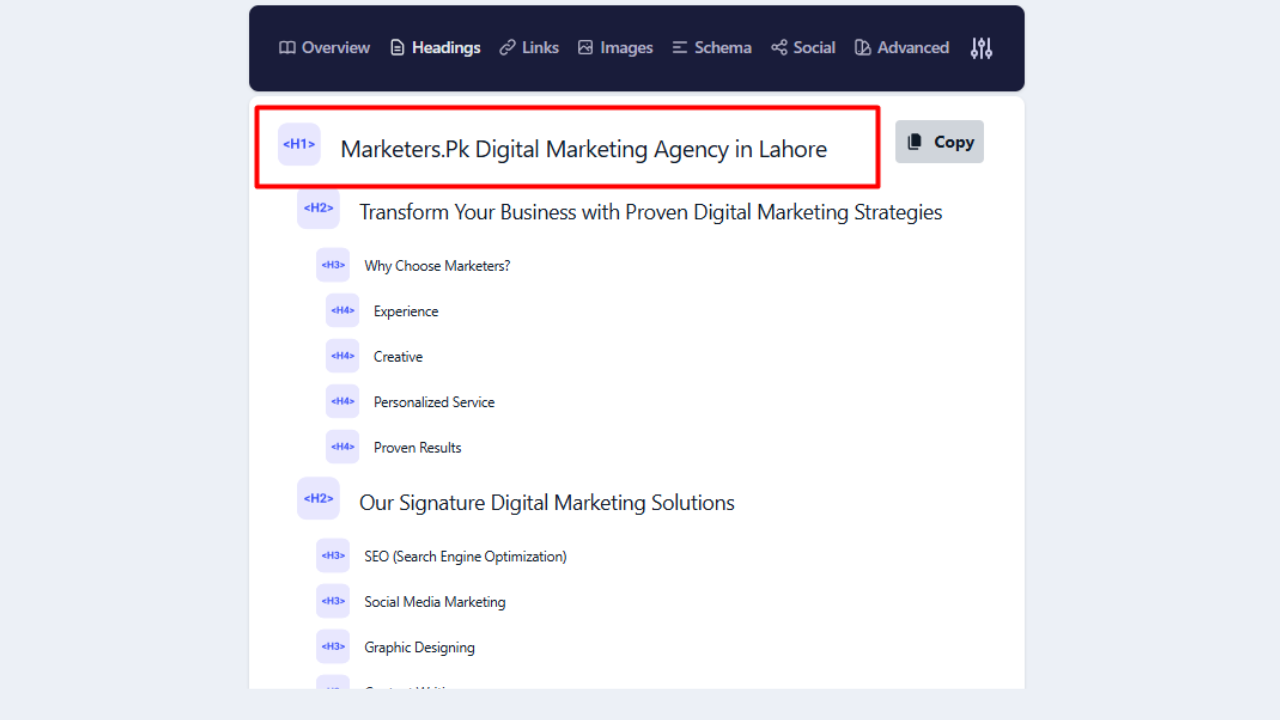
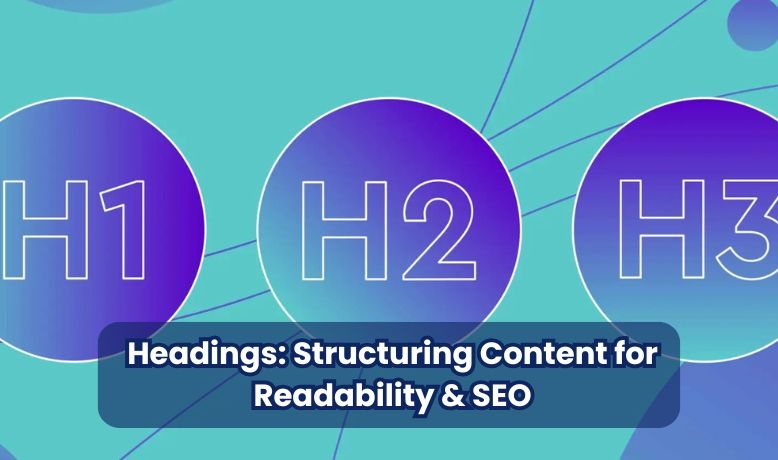
Headings tell both readers and Google what each part of the page is about. Use one H1 that states the service and place, H2s for the main sections and H3s for the details under them, without skipping levels.
Example: a plumbing service in Lahore
H1: Plumbing Services in DHA Lahore – Emergency Repairs 24/7
H2s: Plumbing services we provide in DHA; Why DHA residents call us; Our prices in DHA; Areas we cover (Phase 1 to Phase 8); What customers in DHA say; Book a plumber now
H3s under services: Leak detection and pipe repair; Water tank and motor installation; Bathroom fitting and geyser repair
Example: a digital marketing agency in Lahore
H1: Digital Marketing Agency in Gulberg, Lahore – SEO, Ads and Social
H2s: Services for Lahore businesses; Local SEO for Gulberg and nearby areas; Results from Lahore clients; Meet the team at our Gulberg office; Get a proposal
A good H1 is specific enough that someone searching "emergency plumber DHA Lahore" sees it and knows they are in the right place. "We Offer Plumbing Services" is not.
Lists and steps
Bulleted lists for services and numbered lists for processes make the page scannable, and Google often lifts them into featured snippets and AI answers. For example:
How our AC service visit works:
- Book on WhatsApp – send your area and the problem; we confirm a time slot.
- Inspection – the technician checks gas pressure, filters and the outdoor unit.
- Quote before work – you approve the price before anything is done.
- Service and warranty – work is completed and covered by a 30-day warranty.
Geo-Specific Keyword Research
Keyword research tells you which service-and-area combinations are worth a page. For a local business the useful tools are mostly free:
- Google Keyword Planner (free with a Google Ads account) – search volumes and related terms, filtered to Pakistan or a city.
- Google autocomplete and People Also Ask – real phrasings and questions, including Roman Urdu ones.
- Google Search Console – the queries your site already appears for, which often include areas you had not thought to target.
- Google Business Profile performance reports – the search terms that led people to your listing.
- Ahrefs or Semrush (paid) – competitor keywords and difficulty, useful once you have several locations.
Example research process
Business: AC repair service in Lahore.
- Enter "AC repair" in Keyword Planner with the location set to Lahore; note the monthly volumes for "AC repair Lahore", "AC service Lahore", "AC gas refill price Lahore" and "AC installation Lahore".
- Type "AC repair" into Google and note the autocomplete suggestions that add areas: Johar Town, DHA, Bahria Town, Gulberg.
- Check People Also Ask for questions such as "How much does AC service cost in Lahore?" and plan an FAQ or a short section for each.
- Give each service-and-area combination with real demand its own page, and fold the rest into a single Lahore page.
Generic versus localised long-tail keywords
| Generic keyword | Localised long-tail keyword |
|---|---|
| AC repair | AC repair in Johar Town Lahore |
| dentist | dental clinic in DHA Phase 5 Lahore |
| property dealer | property dealer in Bahria Town Islamabad |
| car detailing | car detailing in Clifton Karachi |
Voice search and "near me"
Spoken searches are longer and more conversational: "Where can I get my AC serviced in Johar Town today?" On Android phones the question now goes to Gemini, which replaced Google Assistant, and the answer often comes from AI Mode or an AI Overview built from Business Profile data. To be the business named, write direct answers to full questions in your FAQ, include "near me" phrasing naturally ("Looking for AC repair near you in Johar Town? Our technicians reach most homes within two hours."), and keep hours and the phone number current on your profile. Google's speech recognition handles Urdu and English well, so cover Urdu or Roman Urdu phrasings of your service alongside English.
Customer Testimonials and Reviews

Reviews do two jobs. On Google Business Profile they are a prominence signal for the map pack and the raw material for what AI answers say about you ("fast response", "reasonable rates"). On the landing page they are the proof that convinces a visitor to call. Google looks at review count, average rating, how recent and steady they are, and what the text says.
Where to place testimonials
- Near the top, a one-line rating summary: "Rated 4.8 on Google by 120 customers in Johar Town."
- Inside each service section, a short quote about that service.
- Next to the call-to-action buttons.
- In a dedicated section with names, areas and photos where customers agree.
Example: "They fixed our AC the same afternoon in this heat. Fair price and the technician explained everything. Highly recommended for anyone in Johar Town." – Ahmed R., Block G
Collecting reviews in Pakistan
Get your short review link and QR code from the "Ask for reviews" option in your Business Profile, print the QR code on the bill or counter, and send the link by WhatsApp after the job. Reply to every review. Never pay, discount or run contests for reviews; Google removes incentivised reviews and can suspend the profile.
Review schema: what it can and cannot do
Google does not show star ratings in search results for reviews a business publishes about itself, so adding AggregateRating or Review markup to your own LocalBusiness page will not produce stars under your listing. Review markup is useful for third-party review sites and for products you sell. For a local landing page, put the reviews on the page as visible text and let the Business Profile carry the rating.
Internal and External Links
Links tell Google how your pages relate and which ones matter.
Internal linking
- Link each local page from the main service page and from the locations menu, so Google and visitors can reach it within two clicks.
- Use descriptive anchor text: "AC repair in Johar Town", not "click here".
- Link between related local pages where it helps the reader, for example from the Johar Town page to the Wapda Town page it also covers.
- Link from blog posts that answer local questions ("AC gas refill price in Lahore") to the relevant local page.
Local backlinks and citations
Links and mentions from sites connected to your area and industry build prominence. In Pakistan the useful sources are:
- Core listings: Google Business Profile, Bing Places, Apple Business Connect, Facebook and Instagram business profiles, LinkedIn company page.
- Industry platforms customers actually use: Zameen for property, PakWheels for cars and workshops, Marham and oladoc for clinics, foodpanda for restaurants, Daraz for sellers.
- Local and trade sources: the Lahore Chamber of Commerce and Industry member directory, trade associations, local news sites, event sponsor pages, suppliers and partners.
Keep one master version of your NAP and copy it exactly to every listing. Foreign directories such as Yelp, Angi or Yellow Pages carry little weight for Pakistani searches and are not worth the time.
LocalBusiness Structured Data
Structured data (schema markup) is code that describes your business to search engines in a standard format. It is not a ranking factor, but it helps Google match your page to the right entity and makes the page eligible for certain enhancements, and it gives AI systems clean facts to quote. Use JSON-LD, Google's preferred format, on your contact or location page.
Example JSON-LD for a Lahore business
<script type="application/ld+json">
{
  "@context": "https://schema.org",
  "@type": "HVACBusiness",
  "name": "CoolFix AC Services",
  "url": "https://www.example.pk/ac-repair-johar-town/",
  "telephone": "+92-300-1234567",
  "image": "https://www.example.pk/images/coolfix-johar-town.jpg",
  "address": {
    "@type": "PostalAddress",
    "streetAddress": "Shop 12, Block G1, Johar Town",
    "addressLocality": "Lahore",
    "addressRegion": "Punjab",
    "postalCode": "54782",
    "addressCountry": "PK"
  },
  "geo": {
    "@type": "GeoCoordinates",
    "latitude": 31.4697,
    "longitude": 74.2728
  },
  "openingHoursSpecification": [{
    "@type": "OpeningHoursSpecification",
    "dayOfWeek": ["Monday","Tuesday","Wednesday","Thursday","Friday","Saturday"],
    "opens": "09:00",
    "closes": "21:00"
  }],
  "areaServed": ["Johar Town", "Wapda Town", "Model Town", "Faisal Town"],
  "priceRange": "PKR 1,500 - PKR 15,000",
  "sameAs": [
    "https://www.facebook.com/coolfixlahore",
    "https://www.instagram.com/coolfixlahore"
  ]
}
</script>
Replace HVACBusiness with the schema.org type that fits (Dentist, Plumber, RealEstateAgent, Restaurant, or plain LocalBusiness), use the coordinates from your Google Maps pin, and check the result with the Rich Results Test or our free schema validator. Leave out self-written ratings and reviews, which Google ignores for this purpose.
Images and Video
Real photos of your premises, team and work do more for a local page than any stock image, and they are what Google and visitors trust. Geo-tagging image files with GPS coordinates is a tactic from older guides that no longer helps: Google strips that metadata and has said it does not use it for ranking. Spend the effort on these instead:
- Descriptive filenames and alt text:
ac-repair-technician-johar-town-lahore.jpgwith alt text "CoolFix technician servicing a split AC in Johar Town, Lahore", notIMG_0012.jpg. - Format and size: serve WebP (or AVIF) at the size the page displays, usually under 150 KB per image; keep originals backed up.
- Lazy loading for images below the first screen, and a CDN if your host is slow on mobile networks.
- Upload the same photos to your Google Business Profile, where they feed the map pack and AI answers.
- Video: a short clip of the premises or a job, hosted on YouTube and embedded, with a title that names the service and area. Since 2024 Google shows video rich results only when the video is the page's main content, so do not expect a video thumbnail in search for an embedded clip; its value is in convincing visitors.
Mobile and Page Speed
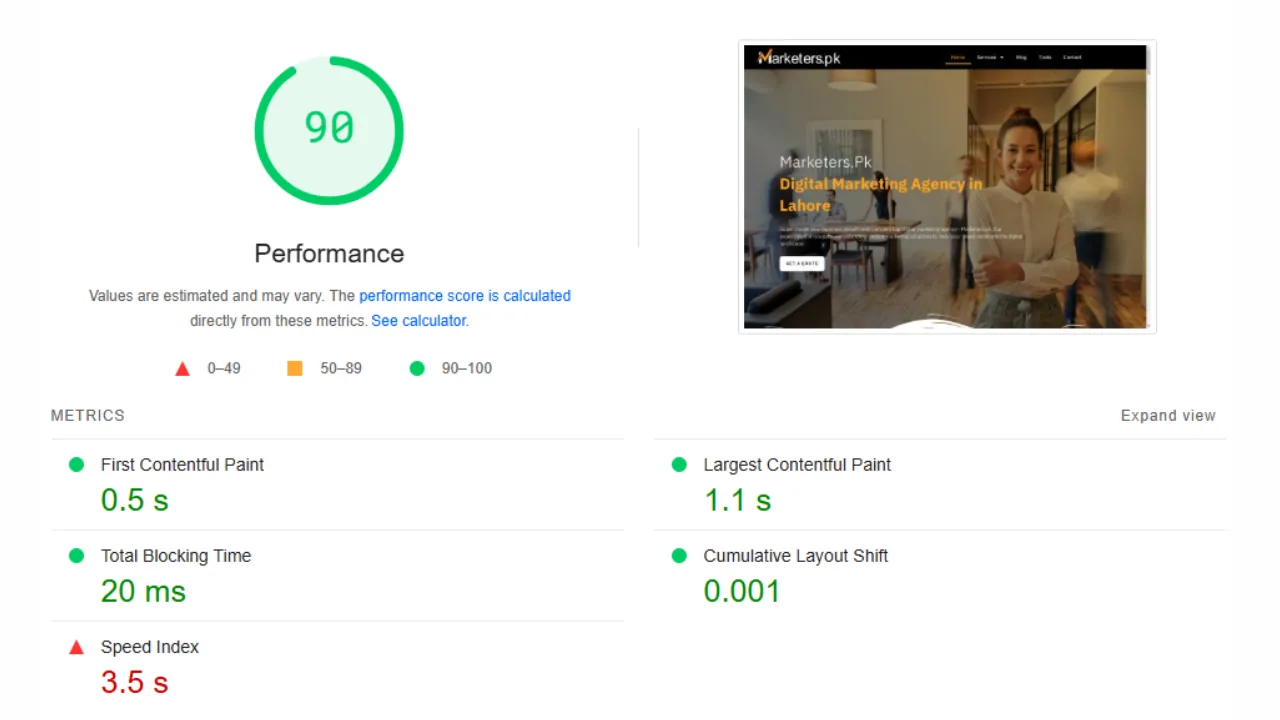
Google indexes the mobile version of your site, and most local searches in Pakistan happen on a phone, often on mobile data. A slow or awkward page loses the call. The old Mobile-Friendly Test tool was retired in December 2023; use PageSpeed Insights and Search Console's Core Web Vitals report instead.
Core Web Vitals targets
- Largest Contentful Paint (LCP): main content visible within 2.5 seconds.
- Interaction to Next Paint (INP): the page responds to taps within 200 milliseconds (INP replaced First Input Delay in March 2024).
- Cumulative Layout Shift (CLS): score under 0.1, so buttons do not jump as the page loads.
Usual fixes
- Compress and resize images, and set width and height so the layout does not shift.
- Remove plugins and scripts the page does not need; chat widgets and sliders are common culprits.
- Enable caching and a CDN, and use a host with good performance in Pakistan.
- Avoid pop-ups that cover the page on mobile.
Responsive design checklist
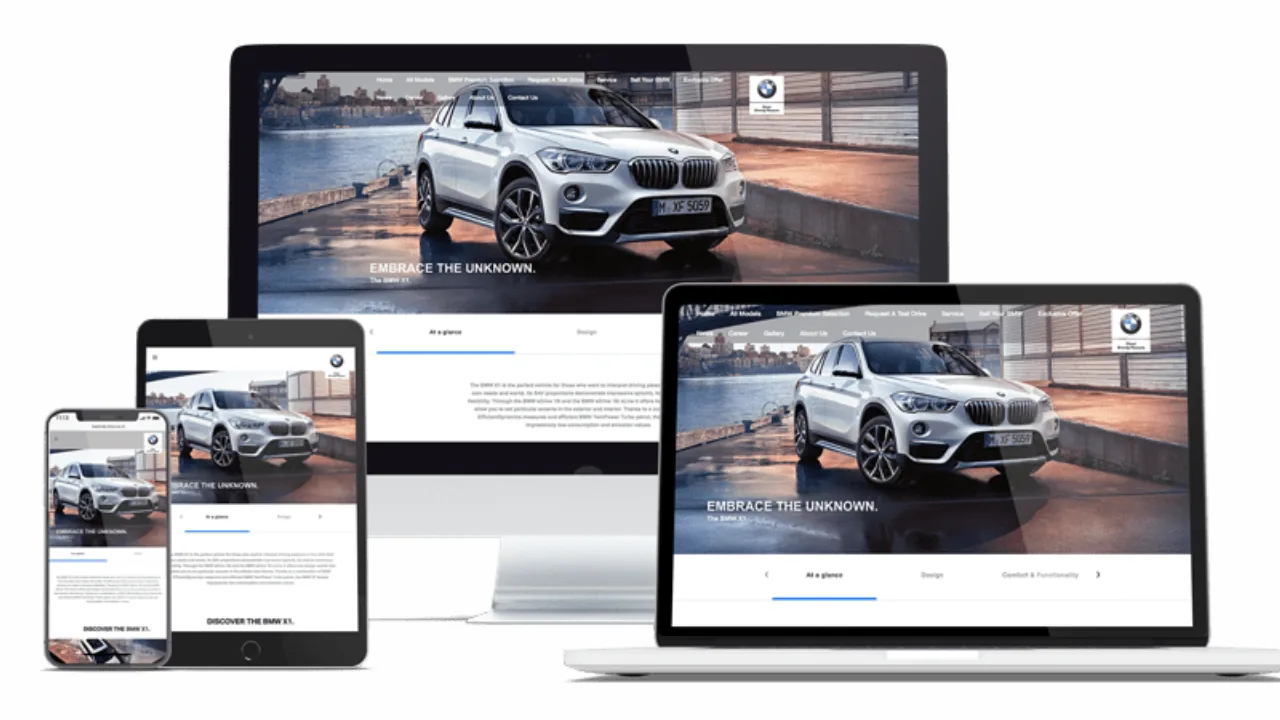
- Phone number and WhatsApp button visible without scrolling, and both tappable.
- Readable text without zooming, and buttons large enough for a thumb.
- Embedded map that opens directions in Google Maps with one tap.
- Forms with as few fields as possible; name, phone and area are usually enough.
- Test on a mid-range Android phone over mobile data, not only on a desktop browser.
Showing Up in AI Overviews and AI Mode
For a search such as "AC repair Johar Town", Google may show an AI Overview above the results, and AI Mode (available in Pakistan) answers with a short list of businesses, their ratings, hours and distance, plus a few cited pages. The data comes from Google Business Profile, reviews and the web page itself, so a local landing page gets cited when it states the facts an AI needs plainly:
- A price range or starting prices, dated ("as of 2026").
- The areas covered, listed in text, not only in an image.
- Hours, response time and whether you visit homes.
- Direct answers under question headings in an FAQ section (FAQ rich results no longer appear in Google Search, but the format still feeds People Also Ask and AI answers).
- Recent reviews that mention the service and area, because AI answers summarise review text to describe a business.
Search your own keywords in AI Mode every few months, note which competitors are named and which pages are cited, and close the gaps.
A Local Landing Page Template That Avoids Doorway Pages
Google treats pages created only to rank for many city names, with the same text and a swapped place name, as doorway pages. They break Google's spam policies and usually get filtered out. Use this template so each page has a real reason to exist.
- H1 with service and place: for example, "AC Repair in Johar Town, Lahore".
- Opening paragraph: what you do in this area, who it is for and the fastest way to book.
- Contact block: address or service area, phone, WhatsApp number, hours and an embedded map.
- Local details: neighbourhoods and blocks covered, nearby landmarks, parking or access tips, typical response or delivery arrangements.
- Services offered here: list only what this branch or team actually provides.
- Proof: reviews from customers in this area, photos of real jobs or the branch, and short case notes.
- Pricing guidance: a price range or what affects the price, dated, if you can share it.
- Area FAQs: questions customers in this area actually ask, such as weekend visits or home service availability.
- Call to action: one clear next step, repeated at the bottom of the page.
Quick uniqueness test
Hide the place name and read the page. If it could describe any other city or area without changes, it is not unique enough. Add local reviews, photos, landmarks and area-specific details until it could only be about that place.
Roman Urdu and bilingual touches
For Pakistani audiences, a short FAQ or heading that mirrors how people phrase searches, such as "AC repair ghar pe" alongside the English, can help relevance. Keep the main copy in one clear language so it reads naturally.
Conclusion
A local landing page that ranks is one that could only be about that place: the right service-and-area keywords in the title and headings, consistent NAP details with click-to-call and WhatsApp, real local detail and reviews, LocalBusiness schema with accurate coordinates and hours, and a fast page that works on a phone. Build one page per service and area where you have something genuine to say, link it from your service pages and Google Business Profile, and keep it updated with new reviews, photos and prices. The template below turns all of this into a repeatable structure.
Frequently asked questions
How many words should a local landing page have?
There is no fixed length. A good local landing page is long enough to answer what the service is, where you provide it, what it costs or how pricing works, why customers choose you and how to book. For many small businesses that is a few hundred words plus reviews, photos, a map and FAQs. Unique, useful detail matters more than word count.
Can I create landing pages for areas where I have no office?
Yes, if you genuinely serve customers there, for example a plumber covering several Lahore neighbourhoods. The page should show real work done in that area, the travel or delivery details, local reviews and any area-specific pricing. Do not invent a local address. If you have nothing specific to say about an area, one broader service-area page is safer.
What is the difference between a local landing page and a service page?
A service page explains one service in general, such as teeth whitening. A local landing page connects a service or your whole business to a specific place, such as a clinic in Gulberg, with address, hours, directions and local reviews. Many businesses need both: service pages for what you do and location pages for where you do it, linked to each other.
Do I need FAQ schema on a local landing page?
No. FAQ rich results no longer appear in Google Search for any site (they were limited to government and health sites in 2023 and removed in May 2026), so FAQPage markup earns nothing visible. Keep the FAQ section itself, because direct answers under question headings feed People Also Ask boxes, voice answers and AI Overviews. Put your effort into LocalBusiness schema instead.
Does geo-tagging photos help local SEO?
No. Google strips location metadata from uploaded images and has said it does not use image GPS data for ranking. What helps is real photos of your premises and work, descriptive filenames and alt text that mention the service and area, properly compressed files, and uploading the same photos to your Google Business Profile, where they appear in the map pack and feed AI answers.