How To Do Research For Local SEO

Have you ever searched for a service near you—like a “coffee shop in Lahore” or “best dentist in Karachi”—and noticed how some businesses appear at the top with maps, reviews, and all the right info? That’s the power of Local SEO in action. For any business that wants to attract nearby customers, showing up in those local search results is crucial. But ranking locally isn’t just about having a website or listing your business on Google Maps. It starts with solid, strategic research.
Key takeaways
- Local SEO research starts with your services, target areas and customers, then moves to keywords with a city or neighbourhood attached.
- Study the top three map pack businesses: their categories, review counts, photos, posts and the pages they link to.
- Audit the search results page for each keyword to see whether Google shows a map pack, an AI Overview, directories or articles, and which businesses the AI answer names.
- List the citations, reviews and backlinks competitors have that you do not, using Pakistani platforms rather than foreign directories.
- Finish by mapping each keyword to one page or profile so the research turns into action.
Understanding your local audience, finding the right keywords, analysing competitors, and identifying local content and citation opportunities are all essential to crafting a winning local SEO strategy. Whether you’re a small business owner, a digital marketer, or an SEO enthusiast, this guide will walk you through the step-by-step research process to dominate your local search rankings.
Understand Your Business and Local Audience
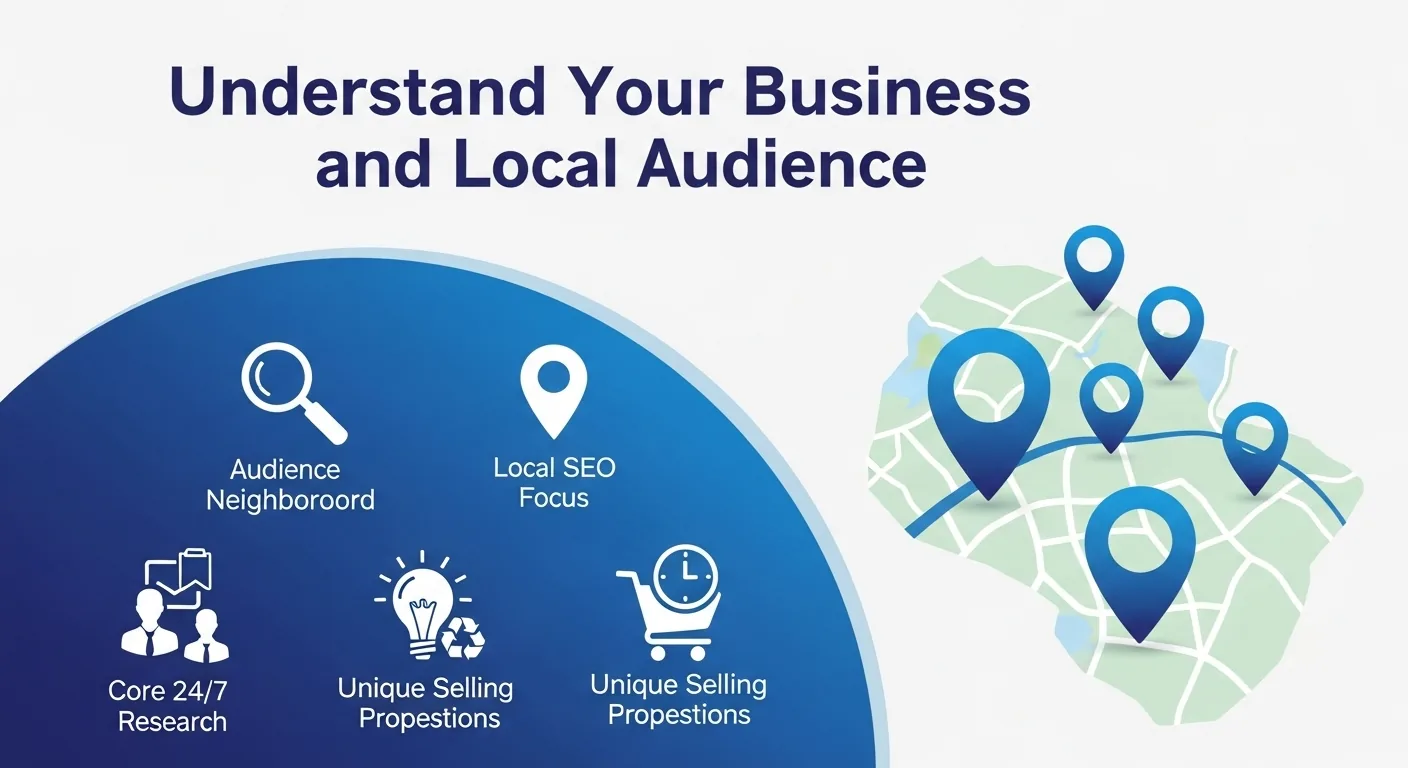
Before exploring seo tools and keywords, it’s important to understand who you are and whom you’re serving locally. This foundational step ensures that your local SEO strategy is focused and relevant.
- Define Your Core Offerings: What products or services do you provide? Are you a dental clinic, a home repair company, a boutique coffee shop, or a real estate agent? Be specific about what makes your offering valuable.
- Identify Your Target Locations: Pinpoint the cities, towns, or neighbourhoods you want to rank in. For example, instead of targeting all of Lahore, you might focus on areas like Gulberg or DHA where your ideal customers are concentrated.
- Know Your Local Customers: Understand your audience’s pain points, preferences, and search behaviour. What kind of questions are they asking? What matters most to them—price, convenience, trust, or speed?
- Clarify Your Local USP (Unique Selling Proposition): What makes your business different from others in your area? Do you offer 24/7 support, eco-friendly products, or same-day delivery? This will later help shape your content, Google Business Profile, and review strategy.
Keyword Research with Local Intent
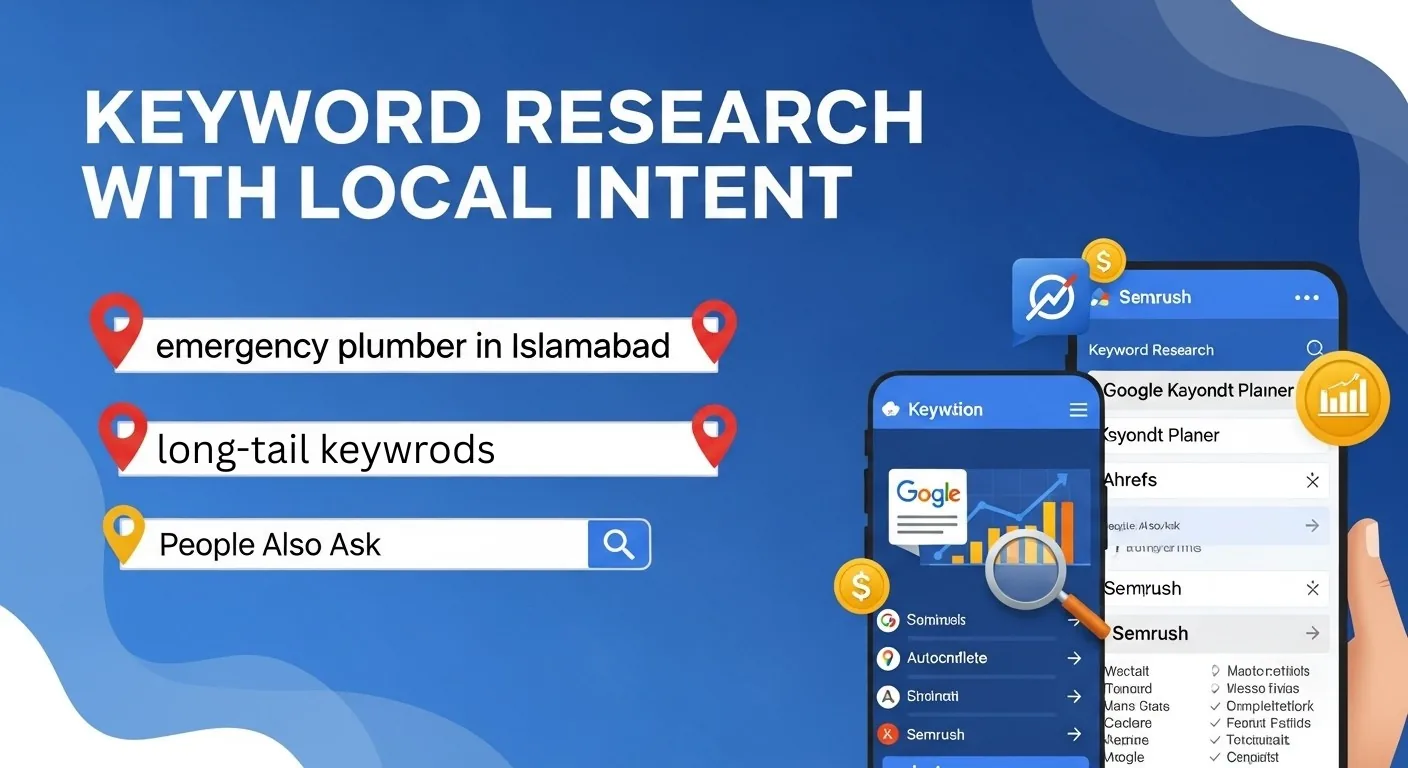
Once you’ve defined your business and target audience, the next step is to discover what your local customers are searching for. This is where local keyword research comes into play.
Use Trusted SEO Tools: Platforms like Google Keyword Planner, Ubersuggest, Ahrefs, and Semrush are great starting points. Enter your core service (e.g., “dentist”) and filter results by your target city or region to get location-specific data.
Focus on Long-Tail Keywords + Location: Long-tail keywords are more specific and often show higher buying intent. Examples include:
-
- “emergency plumber in Islamabad”
- “affordable AC repair DHA Lahore”
- “best pizza in Karachi near me”
Explore Google Autocomplete & People Also Ask (PAA): Start typing your keyword in Google’s search bar and note the autocomplete suggestions—it’s a goldmine of real search queries. Also, review the “People Also Ask” section to discover common local questions you can answer through your content.
Check Competitor Keywords: Use tools like Ahrefs or Ubersuggest to analyse which local keywords your competitors rank for. This gives insight into both opportunities and gaps.
Analyze Local Competitors
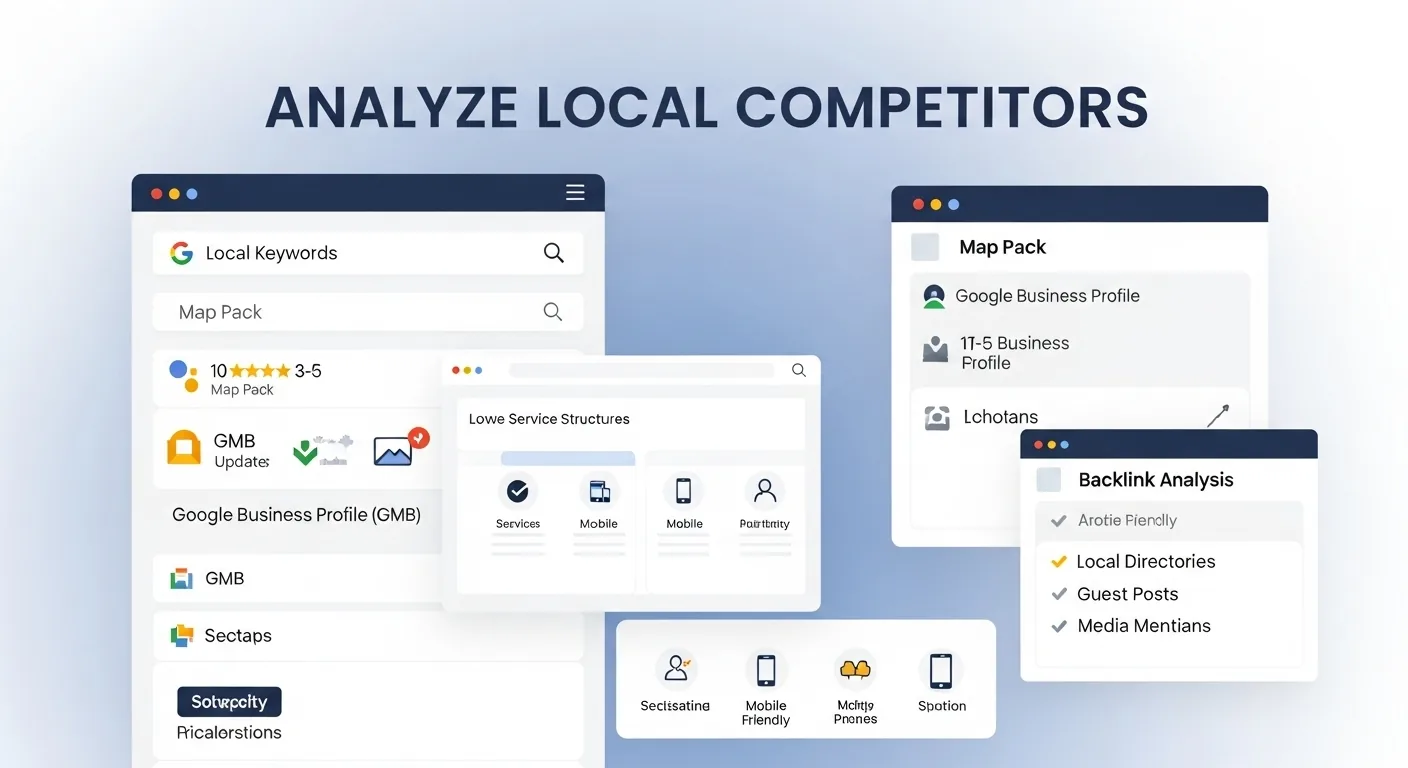
Understanding what your top local competitors are doing right (or wrong) gives you a strategic edge. You can identify gaps and opportunities to outrank them by reverse-engineering their local SEO efforts.
Search Your Target Keywords: Google your main local keywords (e.g., “best dentist in DHA Lahore”). Focus on the top 3–5 businesses in the Map Pack and organic results.
Study Their Google Business Profiles: Observe how they’ve optimised their listings.
-
- What categories are they using?
- How many reviews do they have?
- Are they posting updates, adding services, and uploading high-quality photos?
- Do they respond to customer reviews?
Analyze Their Website Content: Visit their websites and note.
-
- How their service pages are structured
- Whether they use city-specific landing pages
- What keywords are naturally included in headings and content
- How fast and mobile-friendly their site is
Check Their Backlinks: Use SEO tools like Ahrefs, Moz, or Semrush to see who’s linking to their sites. Pay attention to:
-
- Local directories and citations
- Guest posts on regional blogs
- Sponsorships or PR mentions in local media
Study Google Business Profile Optimisation

Your Google Business Profile (formerly Google My Business) is often the first thing potential customers see when searching for local services. By analysing how top-ranked local businesses optimise their profiles, you can fine-tune your own for maximum visibility.
Review High-Performing Listings: Search your target local keywords and look at the top businesses in the Google Map Pack and in any AI Overview or AI Mode answer. Open their profiles and examine how they’re presented.
Analyse the Business Categories: Check which primary and secondary categories they’ve selected. Choosing the right category is essential—it directly affects your local search rankings.
Check Services and Attributes: Many businesses list detailed services (e.g., “root canal treatment,” “emergency AC repair”) and attributes like “wheelchair accessible” or “women-led.” These small additions boost relevance and visibility.
Evaluate Photo Usage: Look at the quality, frequency, and variety of photos uploaded. Top-ranking businesses often showcase:
-
- Their storefront
- Staff in action
- Products or service examples
- Happy customers
Observe Posting Frequency: How often they post updates, offers, or events. Regular updates keep the profile fresh for customers and show current offers, but Google has said posts are not a ranking factor, so treat them as a conversion tool rather than a ranking lever.
Read Their Reviews for Questions: Google retired the Questions & Answers section on Business Profiles in late 2025 and now generates answers in Maps from the listing's reviews, photos and details. So look at the questions and complaints customers raise in reviews instead. They show common concerns you can answer in your own profile description, attributes and website.
Audit Local SERPs & Map Pack
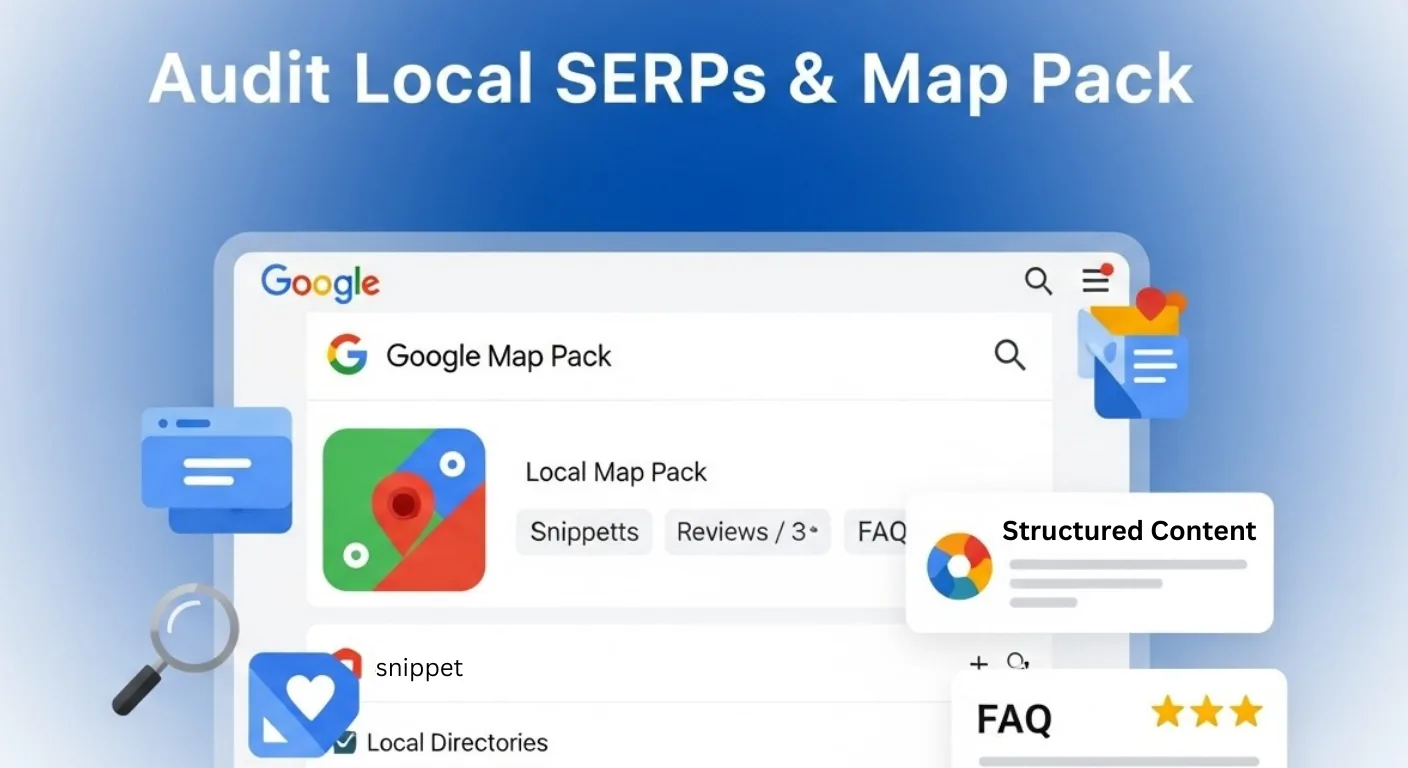
To succeed in local SEO, you must understand what appears in the local search results (SERPs) for your target keywords. A proper audit of these results reveals patterns, priorities, and opportunities you can use to your advantage.
Check the SERP Layout: Search your main local keywords (e.g., “AC repair in Karachi”) and pay close attention to the types of results Google displays.
-
- Is the Google Map Pack (3-pack) shown at the top?
- Are there review snippets, People Also Ask boxes, an AI Overview, or featured snippets?
- Do any Pakistani platforms like Zameen, PakWheels, oladoc or foodpanda rank high?
Evaluate the Businesses in the Map Pack: Look at what these top 3 businesses have in common:
-
- High number of reviews?
- Complete and keyword-rich business descriptions?
- Strong profile photos and recent updates?
Take Note of Citation Sources: Are local businesses ranking well on aggregator sites or directories?
-
- Platforms like Zameen, PakWheels, Marham, oladoc, foodpanda, Daraz and local blogs often hold top spots for their categories.
- These are valuable backlink and citation opportunities you should replicate.
Look for Structured Content Features: Are competitors using LocalBusiness schema on their location pages? Note that FAQ rich results no longer appear in Google Search at all (removed for every site in May 2026), and Google does not show review stars that a business marks up about itself.
Evaluate Local Backlinks & Citations
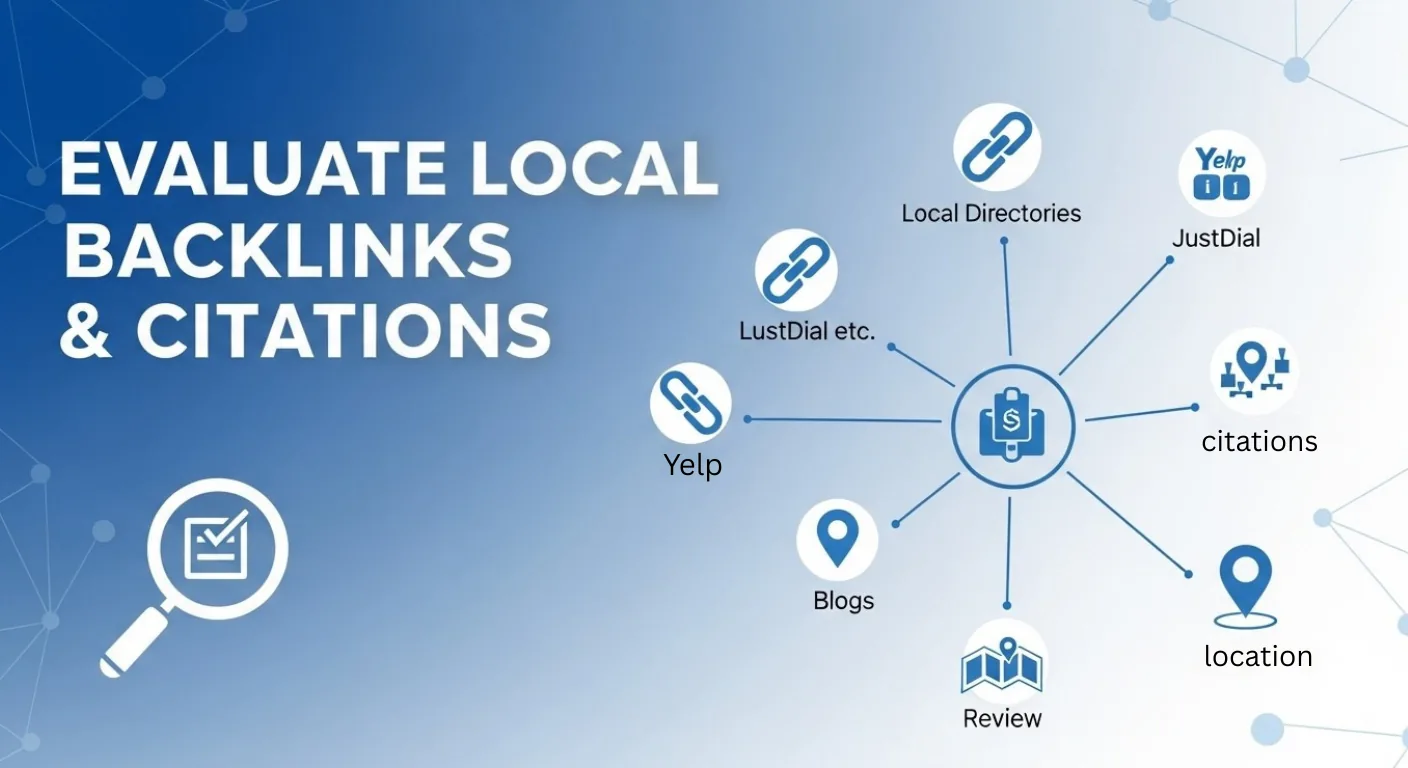
Local backlinks and citations are key ranking factors in Google’s local algorithm. They build authority, validate your business location, and signal trust. Evaluating your competitors’ link profiles helps you discover valuable sources you might miss.
Analyze Competitor Backlinks: Use SEO tools like Moz Link Explorer, Semrush Backlink Analytics, or Whitespark’s Local Citation Finder to examine which websites link to your top competitors.
-
- Focus on links from local news outlets, community blogs, event sponsorships, or business associations.
- Take note of anchor texts, link quality, and the page where the link appears.
Identify Citation Opportunities: Citations mention your business’s Name, Address, and Phone number (NAP) on directories—even without a link. Build a list of relevant platforms where your competitors are listed, such as:
-
- Google Business Profile
- Yelp
- JustDial
- Foursquare
- PakPlaces
- Yellow Pages
- Local chambers of commerce or trade associations
Look for Niche or Industry-Specific Sites: If you’re a dentist, local health directories might help. A foodpanda listing could be relevant if you’re a restaurant, and Marham or oladoc if you run a clinic.
Prioritise Quality and Consistency: Ensure your NAP information is consistent across all citations. Google rewards accuracy and penalises conflicting data.
Look at Reviews & Social Proof
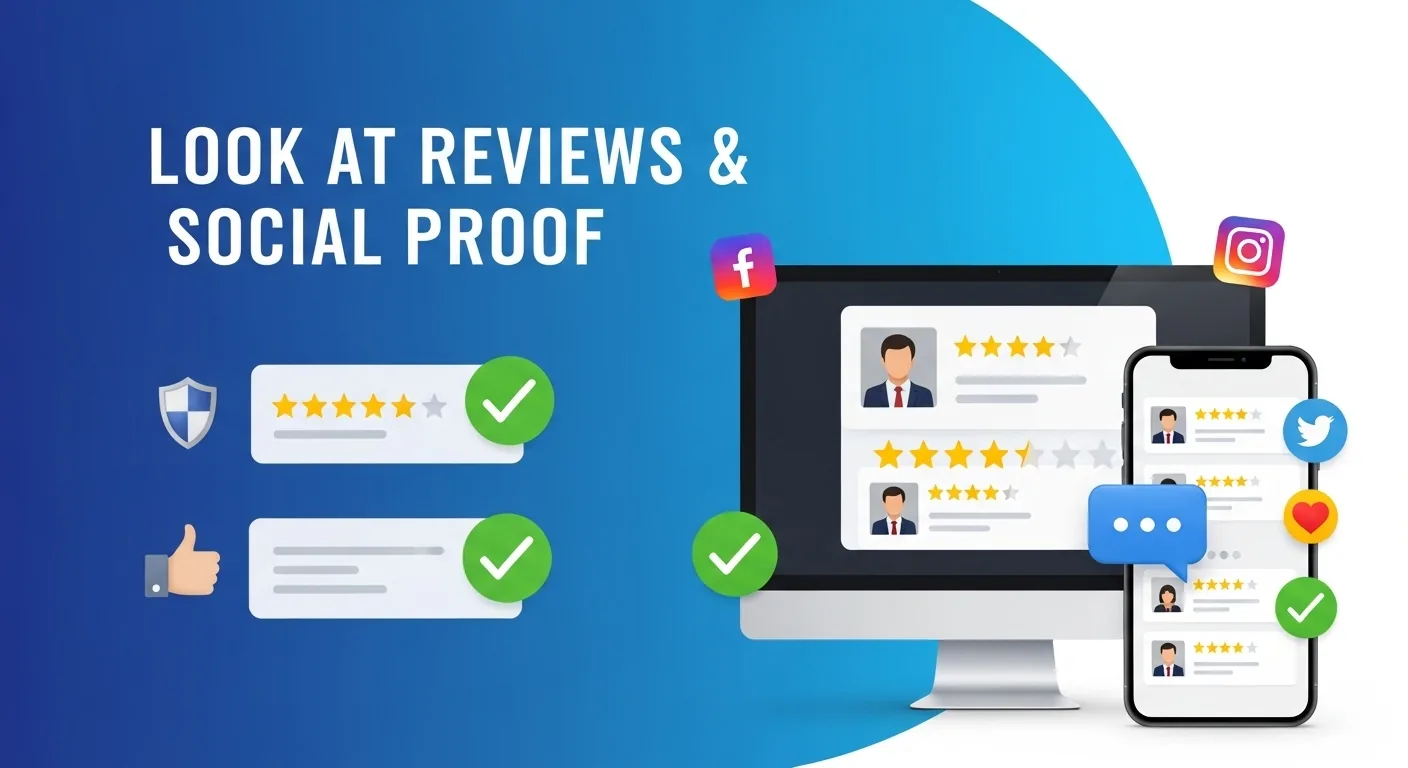
Online reviews are not only essential for building trust with potential customers—they’re also a powerful local SEO ranking factor. By analysing your competitors’ reviews, you can uncover patterns, improve your reputation strategy, and find content ideas.
Analyze Review Volume and Ratings: Look at how many reviews your top competitors have and what their average star rating is on platforms like:
-
- Google Business Profile
- Yelp
- JustDial
- Industry platforms such as oladoc, Zameen or Daraz (if relevant to your business)
Evaluate Recency and Frequency: Are competitors consistently getting fresh reviews? A steady stream of recent feedback signals an active and trusted business in Google’s eyes.
Read Through the Comments: Dig into the reviews—especially 4- and 5-star ones—to identify:
-
- What customers love about them (e.g., fast service, friendly staff, affordable pricing)
- Repeated phrases or keywords (e.g., “best salon in Lahore” or “quick response”)
Leverage Customer Language for SEO: Use the same tone, phrases, and terms in your website copy, blog posts, and meta descriptions. Google rewards pages that reflect how people search and speak.
Monitor Negative Reviews Too: Negative feedback can reveal gaps or pain points your business can capitalise on—by doing better.
Track Mobile vs Desktop Differences
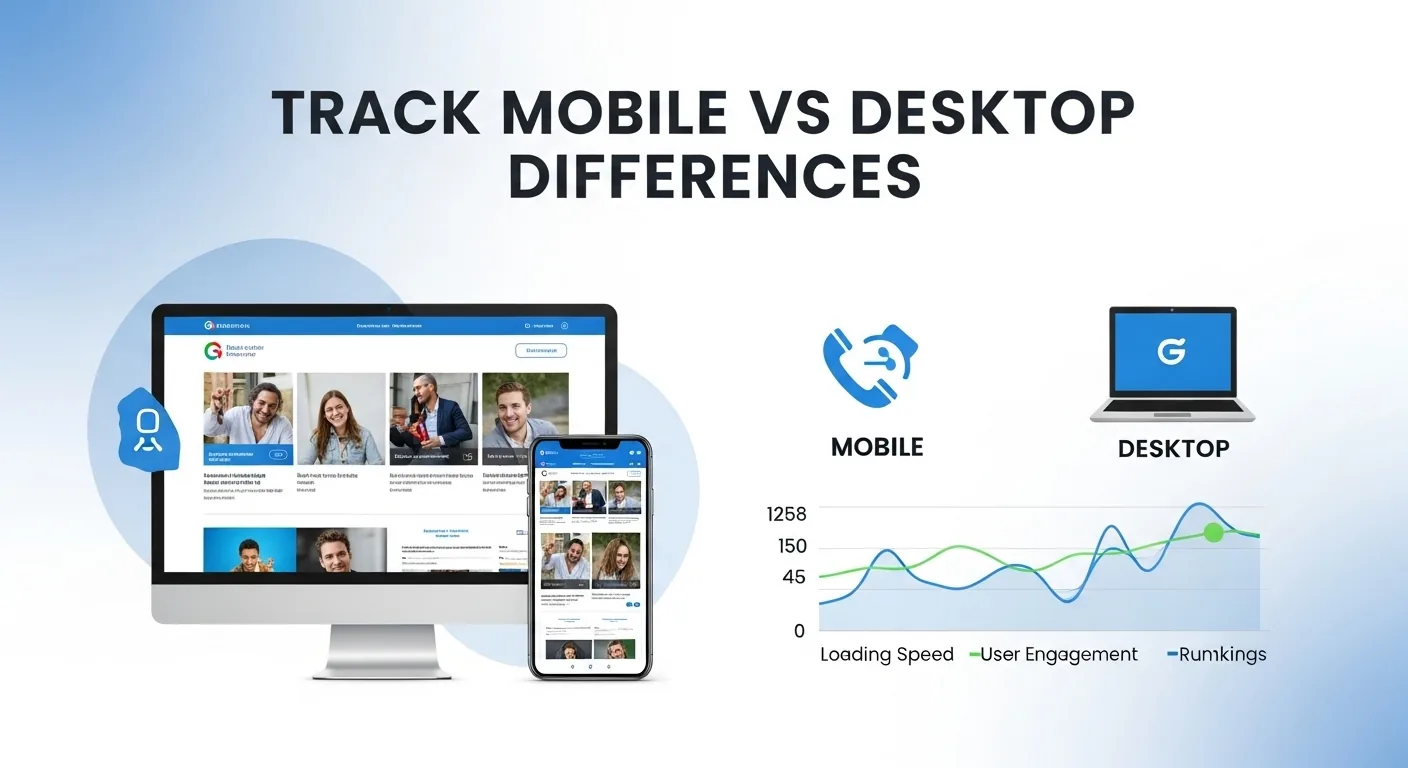
Local search results can vary significantly between mobile and desktop, and since many local searches happen on mobile devices, it’s critical to understand how your site performs across both platforms.
Compare Rankings on Mobile vs Desktop: Perform the same local keyword searches (e.g., “hair salon near me” or “best electrician in Lahore”) on both a mobile device and a desktop browser, and from more than one area. A rank grid tool such as Local Falcon or BrightLocal shows how the map pack changes across a neighbourhood. You might notice:
-
- Different businesses ranking in the Map Pack
- Different featured snippets or ad placements
- Changes in review visibility or user interface
Evaluate Mobile User Experience (UX):
-
- Is your website easy to navigate on smaller screens?
- Are contact buttons (like “Call Now” or “Get Directions”) visible?
- Is your content readable without zooming or scrolling awkwardly?
Test Mobile Speed: Use Google’s PageSpeed Insights or Lighthouse to test your mobile performance. Slow-loading mobile pages can hurt both user engagement and local SEO rankings.
Check Click-to-Call and Map Integration: Ensure your mobile phone number and location are clickable. Google favours mobile-friendly sites that make it easy for users to take action quickly.
Understand Local Content Gaps
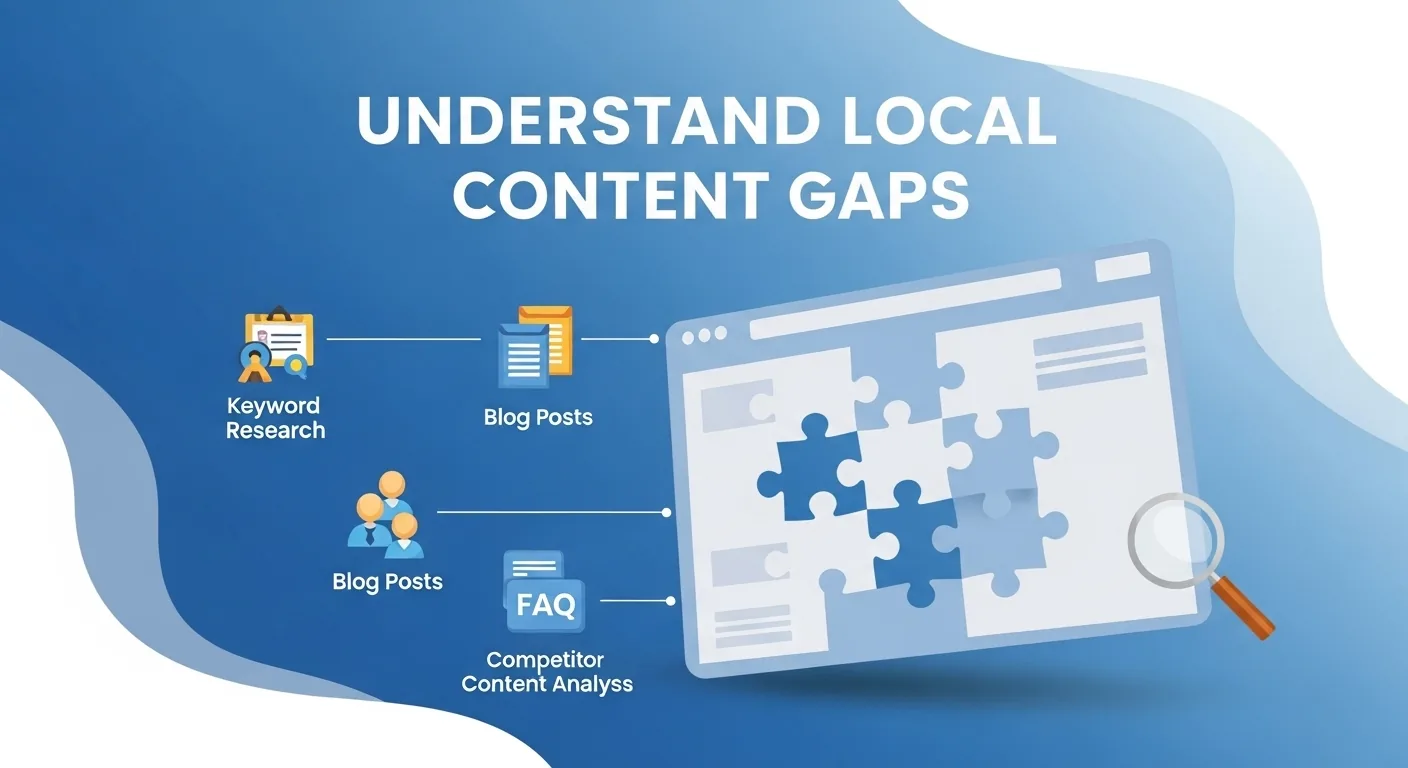
A strong local SEO strategy isn’t just about keywords and listings but also content. Many local businesses overlook valuable opportunities by not creating location-specific or community-relevant content. This is where content gap research becomes crucial.
Audit Your Competitors’ Content: Look at the websites of top-ranking local businesses. Do they have:
-
- City- or neighbourhood-specific service pages?
- Informative blog posts targeting local events, trends, or seasonal needs?
- Localised FAQs that address area-specific concerns?
Identify What’s Missing: Are there keywords or topics you discovered during keyword research that aren’t being addressed? Examples might include:
-
- “Emergency AC repair in Gulberg”
- “Best salons for brides in DHA Lahore”
- “Pet-friendly restaurants in Karachi”
Explore “Related Searches” & PAA: Scroll to the bottom of Google’s search results or check the People Also Ask section to see what users are curious about. These can spark content ideas for blogs, FAQs, or landing pages.
Leverage Community Conversations: Platforms like Reddit, Quora, and local Facebook groups are goldmines for discovering real questions and topics your audience cares about. Search for discussions related to your industry and location.
Fill the Gap with Helpful, Localised Content: Once you’ve identified the gaps, create:
-
- City-specific service pages (e.g., “Plumbing Services in Johar Town”)
- Blog articles about seasonal local trends
- FAQ sections tailored to customer queries in your area
Monitor Trends & Seasonality
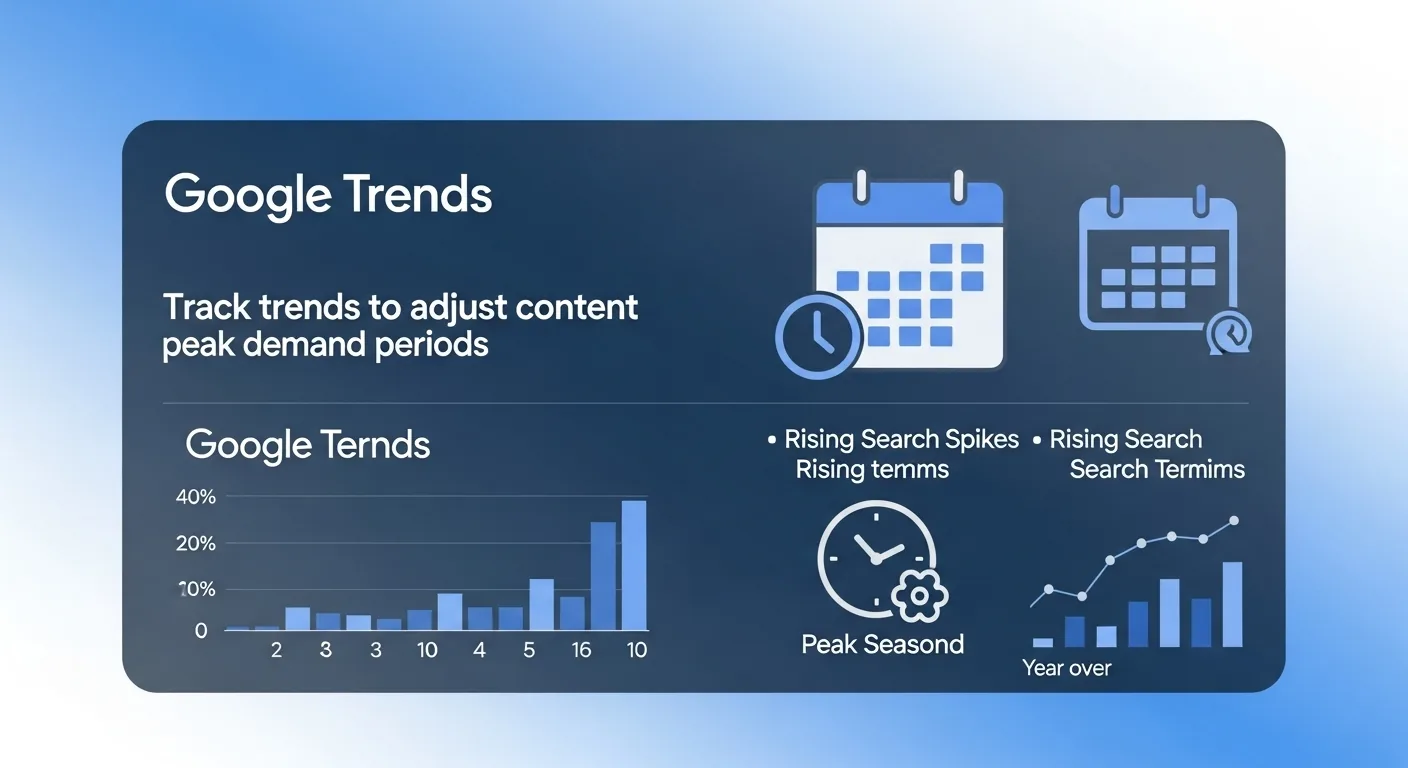
Local search demand often shifts with seasons, weather, holidays, and local events. If you want to stay ahead of the curve—and your competitors—you need to understand when your customers are actively searching and what they’re looking for during those peak times.
Use Google Trends by Region: Go to Google Trends and enter your core keywords and your target location (e.g., “pest control Lahore”). This helps you visualise:
-
- Seasonal spikes (e.g., “AC repair” in summer, “heating service” in winter)
- Rising search terms you can target early
- Long-term interest in your niche
Identify Peak Search Periods: Align your content and campaigns with the highest demand periods. For example:
-
- “Generator repair Karachi” may spike during load shedding seasons.
- “Wedding photographer Lahore” may trend around wedding months like December and March.
Create Timely, Seasonal Content: Use your research to plan ahead.
-
- Launch service pages or offers just before search spikes begin.
- Write blog posts and FAQs around upcoming events or seasonal problems.
Schedule Google Business Profile updates or ads in sync with local trends.
Track Changes Year Over Year: Monitor how your niche evolves each year so you can refine your marketing calendar and content plan accordingly.
Check AI Overviews and AI Mode for Your Keywords
Since 2025, Google has answered many local queries itself. Search "best dentist in DHA Lahore" and you may see an AI Overview above the results, and AI Mode (available in Pakistan) gives a full conversational answer with a map-pack-like list of businesses and a few cited pages. Add this to your research for every main keyword.
- Search each keyword in a normal window and in AI Mode, from the area you care about, and note whether an AI answer appears at all. Many "near me" and "open now" searches still show the classic map pack only.
- List the businesses the AI answer names. They are usually drawn from Google Business Profiles with strong ratings and complete details, so treat them as competitors to study even if they are not in the three-pack.
- List the pages it cites. These are often clinic or service pages with clear prices, timings and areas served, or review-style articles. Note what those pages state plainly that yours does not.
- Record what the answer says about each business ("open on Sundays", "reasonable prices"). That language comes from reviews and profile text, which tells you which details and review themes to build on your own profile.
The data behind AI answers is the same Google Business Profile, review and website data as before, so the fixes are the same. The difference is that the AI answer names only a handful of businesses, which makes a complete profile and recent reviews matter even more.
Turn Your Research Into a Local SEO Plan
Research only pays off when every finding lands on a page, a profile or a task. A simple keyword map in a spreadsheet does this.
| Keyword | What Google shows | Target | Action |
|---|---|---|---|
| dentist in DHA Lahore | Map pack, AI Overview, clinic sites | Google Business Profile and DHA location page | Add services, photos, reviews; build page |
| teeth whitening price Lahore | Clinic pages, articles | Teeth whitening service page | Add a clear price range and FAQs |
| root canal pain after treatment | AI Overview, articles, People Also Ask | Blog post | Write a helpful guide linking to the service page |
| emergency dentist near me | Map pack | Google Business Profile | Update hours, add emergency service, earn reviews |
Prioritise in this order
- Fix your Google Business Profile gaps first. They affect every map pack keyword and AI answer at once.
- Build or improve service and location pages for keywords with clear buying intent.
- Close the citation and review gaps you found against competitors.
- Add blog content for informational questions last, and link it to the relevant service pages.
Give each keyword one target page. If two pages chase the same keyword, merge them or change the focus of one.
Conclusion
Mastering local SEO starts with thorough research—truly understanding your audience, analysing competitors, identifying content gaps, and staying ahead of seasonal trends. By following each step outlined above—from keyword research and Google Business Profile analysis to tracking mobile performance and monitoring search patterns—you’ll build a strong foundation for dominating local search results. Remember, local SEO isn’t just about ranking higher; it’s about becoming the most trusted and visible choice for customers in your area.
Frequently asked questions
What tools do I need for local SEO research?
You can do most of it free. Use Google Search and Maps to see who ranks, Google Autocomplete and People Also Ask for query ideas, Google Keyword Planner and Google Trends for demand, and Google Search Console for queries you already appear for. Paid tools such as Semrush or Ahrefs help with competitor keywords and backlinks, and grid tools such as Local Falcon or BrightLocal show map rankings across neighbourhoods.
Why do local search results look different when I search from another area?
Google personalises local results by the searcher's location. Someone in DHA and someone in Johar Town searching "dentist near me" can see different map packs. To research accurately, search the keyword with the area name added, use a rank grid tool, or ask someone in the target area to share a screenshot. Do not judge your rankings only from your own office.
How often should I redo local SEO research?
Review your keywords and competitors every three to six months, and before any big change such as opening a branch or adding a service. Local results shift as new businesses open, competitors collect reviews and Google updates how it shows results. Check seasonal keywords a few weeks before peak periods like Ramadan, Eid, wedding season or summer.
Which directories matter for local SEO in Pakistan?
Google Business Profile matters most by far, followed by Bing Places and Apple Business Connect for Bing and iPhone users. Beyond those, choose platforms your customers actually use: Facebook pages, Zameen for property, PakWheels for cars, Marham and oladoc for clinics, foodpanda for restaurants, Daraz for sellers, and chamber of commerce or trade association member lists. Foreign directories such as Yelp carry little weight in Pakistan.