The Role of Rapid URL Indexer in Strengthening International SEO
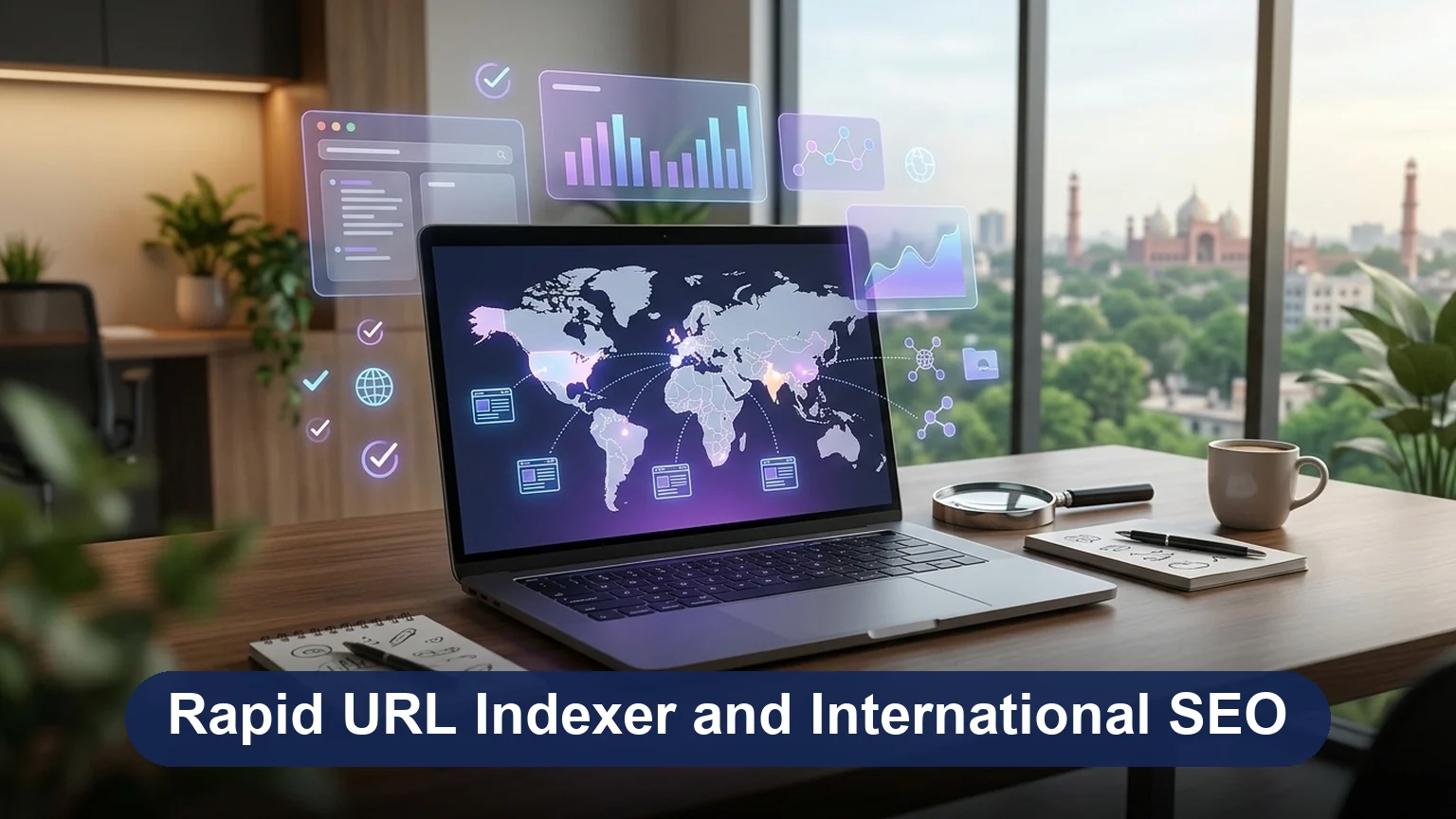
International SEO is critical for businesses looking to expand their online presence globally. However, getting your pages and backlinks indexed by search engines across multiple countries can be a slow process. Rapid URL Indexer is a tool designed to fast-track this process, allowing SEO efforts to flourish in various regions. But can it truly enhance your international SEO? Let’s explore how it works and its benefits.
Key takeaways
- Rapid URL Indexer can help Google discover new country and language pages, and backlinks from foreign sites, sooner.
- It has no special line into Google's index; it uses crawl-triggering methods the vendor does not publish, so results vary and nothing is guaranteed.
- Google has one index, so slow indexing of new markets usually comes from weak links or duplicate translations, not the country.
- Fix hreflang, canonicals and internal links before submitting international URLs to any indexing tool.
- Confirm results per URL in Google Search Console's Page indexing report rather than relying only on the tool's report.
What Is International SEO?
International SEO is the process of optimizing your website so that search engines can recognize which countries and languages you want to target. It involves strategies like using hreflang tags, creating country-specific content, and ensuring your website appears in the right SERPs for each location. One of the biggest challenges is ensuring that your URLs and backlinks get indexed quickly, especially for new country or language sections that have few internal or external links.
What is Rapid URL Indexer?
Rapid URL Indexer is a paid service that tries to get URLs, backlinks and website pages crawled and indexed by Google sooner than they would be on their own. It works on any public URL, including pages on other people's sites where you have earned a backlink, and does not need Google Search Console access. It offers a pay-as-you-go credit model, reporting per URL and an API for integration, which is why some agencies use it for faster indexing of new international sections.
The vendor advertises refunds of credits for URLs that do not get indexed, detailed reports, and integrations with Zapier, WordPress and a Chrome extension. Pricing is per URL on a credit basis; the per-URL rate and any trial offer have changed since this post was first written, so check the vendor's site for the figures as of the day you buy.
How Rapid URL Indexer Works
Be clear about what the service is and is not. Google's own Indexing API only accepts job postings and livestream pages; there is no official way for a third party to push ordinary URLs into Google's index. Services like Rapid URL Indexer instead use crawl-triggering techniques that the vendor does not publish, so Google decides on its own whether to crawl and then whether to index each URL. In practice the service often gets Google to look at a URL sooner, but it cannot force indexing, and the vendor's success-rate figures are its own claims. You submit URLs through the dashboard, API, Zapier, WordPress plugin or Chrome extension, then verify the outcome in Search Console.
Benefits of Using Rapid URL Indexer for International SEO
- Faster Indexing for Global Visibility: Speed matters when you launch a market. Rapid URL Indexer can shorten the wait before Google first crawls new country pages, which is often the slowest step for a section with few links.
- Efficient Backlink Indexing: Links remain one of several ranking signals, and a backlink Google has not indexed cannot count at all. Getting links from local sites in each market crawled sooner helps, although an indexed link is not guaranteed to pass value.
- Improved Rankings in International SERPs: By getting your URLs and backlinks indexed faster, your pages can start competing in specific country SERPs sooner, although rankings still depend on relevance and quality.
Example Scenario
Imagine you’ve created multiple country-specific pages for your global business. Without Rapid URL Indexer, new country pages with few links may take weeks to be discovered, delaying your SEO progress. However, using Rapid URL Indexer, you may get these pages discovered and indexed sooner, giving your business an edge in international markets. Similarly, backlinks from local sites in different regions can boost your global rankings once they’re indexed faster.
Best Practices for Using Rapid URL Indexer in International SEO
- Integrate with Your SEO Strategy: Use Rapid URL Indexer as part of your broader international SEO strategy. Ensure your pages are optimized for specific countries before indexing them.
- Target Important Backlinks: Identify key backlinks from international sites and prioritize their indexing using Rapid URL Indexer.
- Monitor Performance: Track which URLs are getting indexed and how fast. Adjust your efforts accordingly to ensure maximum SEO impact.
What the Vendor Claims, and How to Test It Yourself
The vendor's site carries testimonials and quotes a high indexing rate. Treat those as marketing, not evidence; this agency has not verified them, and independent tests of indexing services generally report that a meaningful share of submitted URLs still do not get indexed. The useful question is whether it works for your pages, and that is cheap to test:
- Pick a sample. Choose 20 to 50 URLs from the new market that Search Console shows as "Discovered - currently not indexed", and note the date.
- Submit half. Send half of them through the indexing service and leave the other half alone as a control.
- Check after 7 and 14 days. Count how many URLs in each group are now indexed, using the URL Inspection tool or a site: search. Keep using the service only if the submitted group is clearly ahead.
A test like this tells you more than any testimonial, and it also surfaces the pages that stay unindexed for reasons no tool can fix: thin translations, duplicate versions or missing links.
Conclusion
Rapid URL Indexer is a useful tool that can enhance your international SEO efforts. By getting your URLs and backlinks crawled sooner, you give well-built country pages an earlier start in global markets; how they rank afterwards still depends on their content, links and hreflang setup. If you’re serious about growing your international presence, integrating a tool like Rapid URL Indexer can help you stay ahead of the competition.
Get Your International Setup Right Before Submitting URLs
An indexing tool only brings Google to a URL. What Google does next depends on how the page is set up. For international sites, these basics decide whether a new market gets indexed properly:
- One URL per language or country version. Use subfolders such as /ae/ or /ur/, subdomains or country domains. Avoid showing different languages on the same URL based on cookies or IP address, because Google mostly crawls from the US and may only see one version.
- Correct hreflang tags. Each version should list itself and all its alternates, and every alternate must link back. Missing return tags are one of the most common hreflang errors.
- Self-referencing canonicals. Each language version should canonicalise to itself, not to the original English page. Pointing all versions to one canonical tells Google to ignore the rest.
- No forced redirects by location. Suggest a local version with a banner instead of auto-redirecting, so both users and crawlers can reach every version.
- Internal links into each market. Add the new section to your navigation, language switcher and XML sitemap so Google can find it without outside help.
Why a Country Page May Still Not Be Indexed
Submitting a URL is not the same as getting it indexed. Google may crawl a submitted page and still decide not to index it. If a country or language page stays out of Google after submission, the reasons are usually these:
- Near-duplicate versions. Pages for the UK, US and Pakistan in the same language with only a currency change can look like copies. Google may index one and treat the others as duplicates. Local pricing, delivery details, contact information and examples make each version distinct.
- Machine-translated thin content. Raw automatic translation with no review often reads poorly and may not be judged worth indexing.
- Weak links to the new market. A new section with no internal links and no local backlinks gives Google little reason to crawl it often.
Read the Page indexing report, not just the tool's dashboard
In Google Search Console, open Indexing > Pages and filter by the market's sitemap. Two statuses tell you what happened:
- Discovered - currently not indexed: Google knows the URL but has not crawled it yet. This is the one case an indexing tool or a Request Indexing click can help with; it is also a sign the section needs more internal links.
- Crawled - currently not indexed: Google fetched the page and chose not to index it. Submitting it again will not change that. Improve the page (unique local content, canonical, links) first.
Remember that Request Indexing in the URL Inspection tool has a small daily quota per property, so save it for the pages that matter most and use the sitemap for the rest.
A Simple Rollout Plan for a New Market
- Publish the new language or country section with hreflang, self-canonicals and a dedicated sitemap.
- Link to it from your main navigation and language switcher.
- Submit the sitemap in Google Search Console and request indexing for the few most important pages.
- Use an indexing tool for the remaining pages and for any new backlinks from local sites in that market.
- After one to two weeks, check indexed counts per market in the Page indexing report and fix the causes of any excluded URLs before resubmitting.
Frequently asked questions
Does Google index pages separately for each country?
No. Google keeps one index and decides which version of a page to show based on the searcher's language and location. Hreflang tags, local content and country-level signals help it choose the right version. That is why a new country page mainly needs to be crawlable, linked and clearly different, rather than submitted to a separate country index.
Why are my translated pages not indexed?
Common causes are missing internal links to the new language section, pages blocked by robots.txt or noindex, canonical tags that point to the original language, or translations so close to another version that Google treats them as duplicates. Check each URL in Search Console's URL Inspection tool to see which applies before resubmitting.
Should I use a separate sitemap for each language?
You can, and it often makes monitoring easier. Separate sitemaps per language or country let you see in Search Console how many URLs from each market are indexed. You can also list hreflang alternates inside the sitemap instead of in the page head, which is handy for large sites with many versions.
Can I just use Request Indexing in Search Console instead?
For a handful of important pages, yes. Request Indexing in the URL Inspection tool asks Google to crawl a URL soon, but it has a small daily quota per property, it works only for sites you have verified, and Google may crawl the page and still decline to index it. It cannot be used for backlinks on other people's sites at all. Indexing services exist to cover those two gaps: volume and third-party URLs.